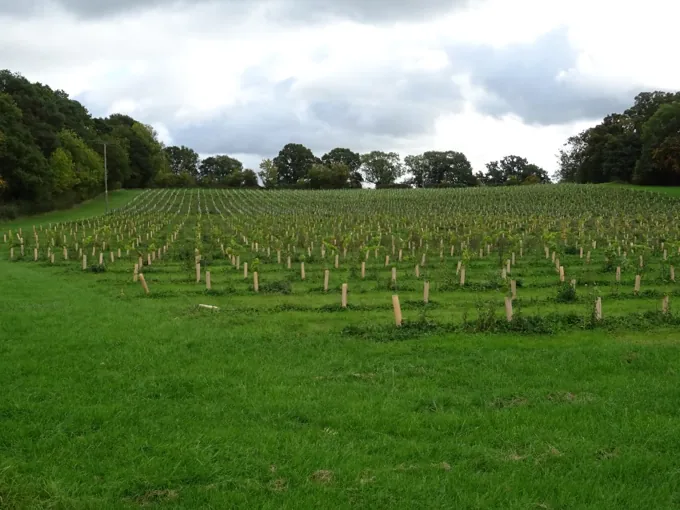
ENO’s 2026 activities paired a May planting day with a student art competition whose results were announced in June. The learning lasts longer when planting is followed by observation and care suited to the site.
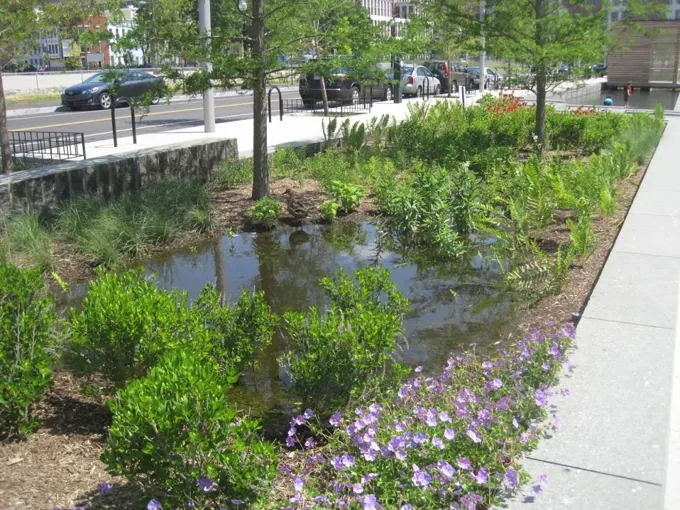
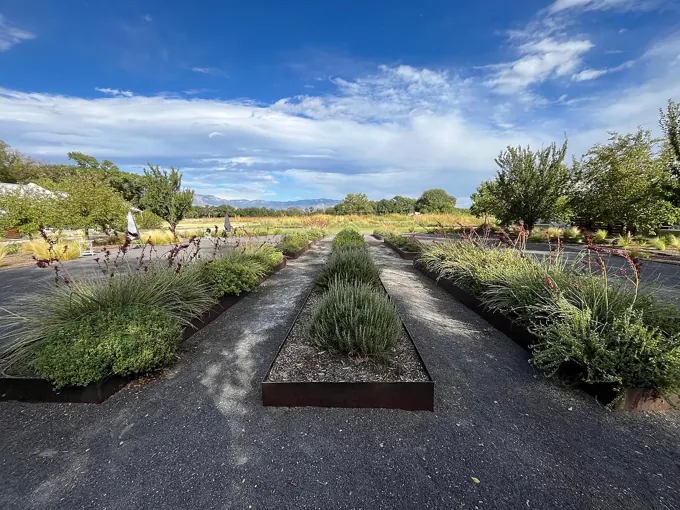
Choose rain garden plants for the wet-to-dry conditions of the site, then arrange them by water depth and local suitability. A planting plan can absorb runoff while staying manageable through changing seasons.
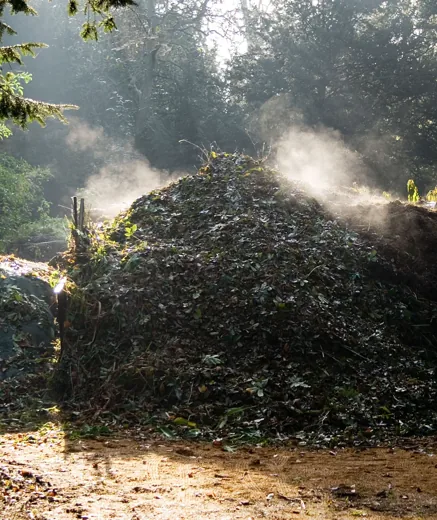
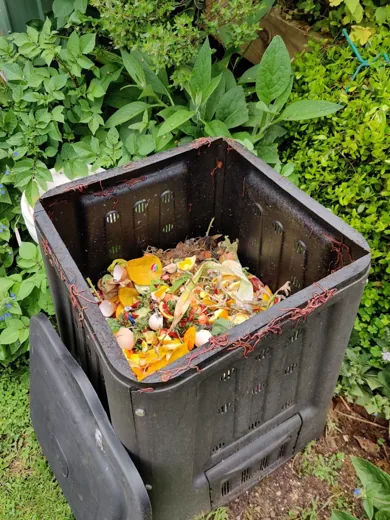
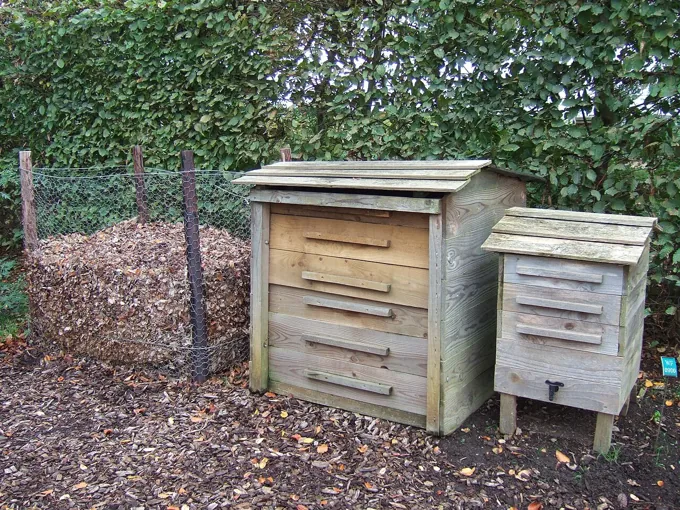
Start with a container or pile, a supply of dry leaves or other browns, and a small stream of suitable food scraps. Keep the mix airy and as damp as a wrung-out sponge, then adjust when it smells or dries out.
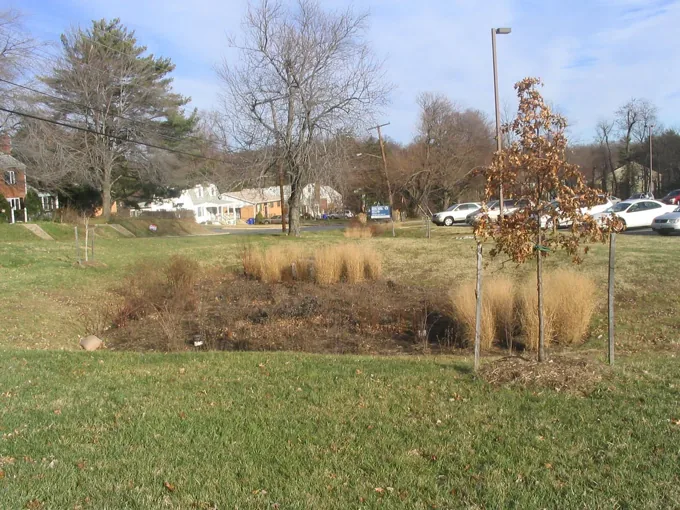
A rain garden is a planted, shallow landscape depression that receives runoff and lets it soak into the ground; learn how it works and what to check before siting one.
For a typical backyard pile, fruit and vegetable scraps, coffee grounds, leaves and untreated plant material are useful ingredients. Some items accepted by commercial facilities should stay out of home piles, so check local collection rules.
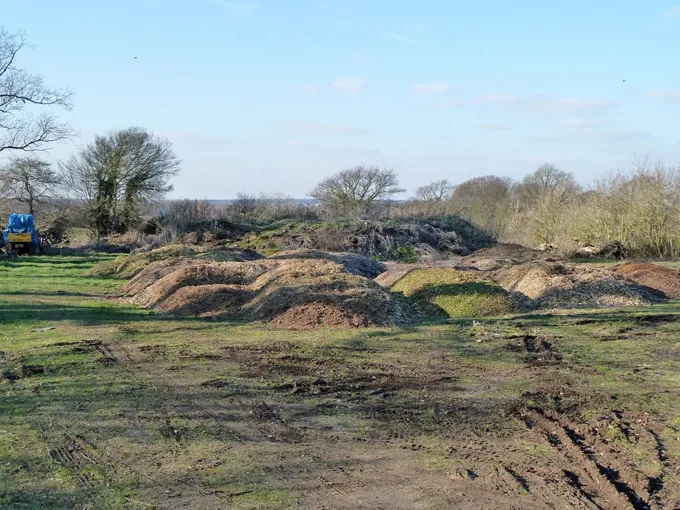
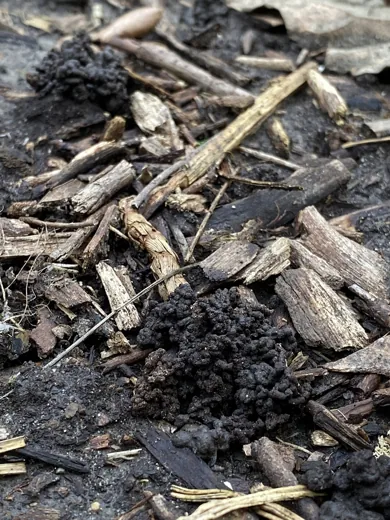
A well-maintained backyard pile may finish in about three to five months, while an untended pile may take a year. Materials, moisture, airflow and turning affect the pace, so look for finished texture as well as elapsed time.
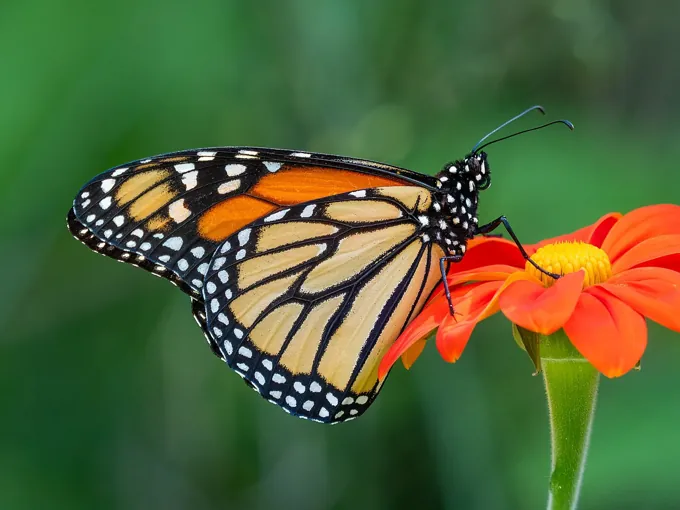
Butterflies are more likely to use a garden that offers appropriate flowers and host plants, with conditions suited to local species. Plan habitat for a life cycle, not just a brief adult visit.
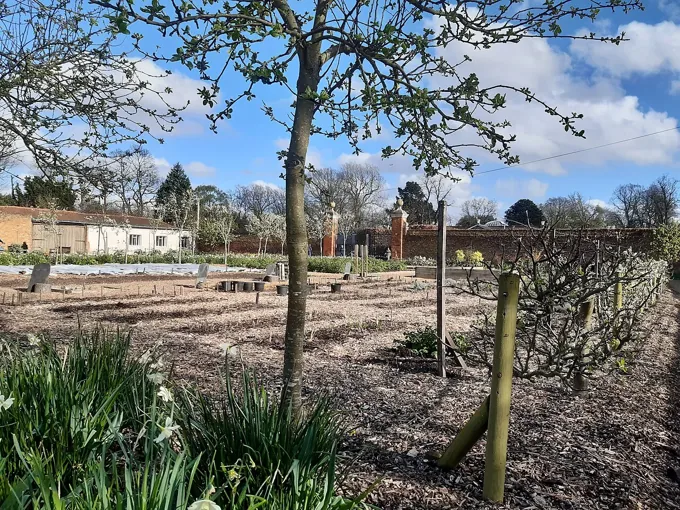
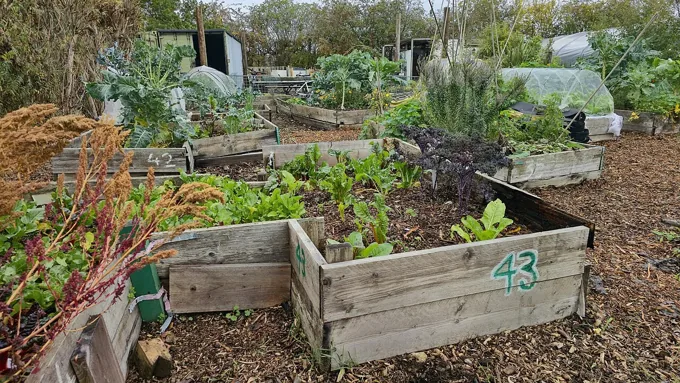
Start a vegetable garden by matching a small planting area to your light, water access, soil and preferred crops. A manageable first bed teaches more than a large layout built around assumptions.
Container gardening works when the pot, growing medium, drainage, light and watering routine suit the plant. Start with a few containers near a convenient water source and check moisture as conditions change.
Greens supply nitrogen-rich material and browns supply carbon-rich material; compost needs both, plus moisture and oxygen. Use volume rather than weight as a practical guide, then adjust the mix by its moisture and smell.
Compost and mulch can both improve a garden, but they do different jobs. Learn where each belongs, when compost can serve as mulch, and how to choose for your soil, plants and available materials.
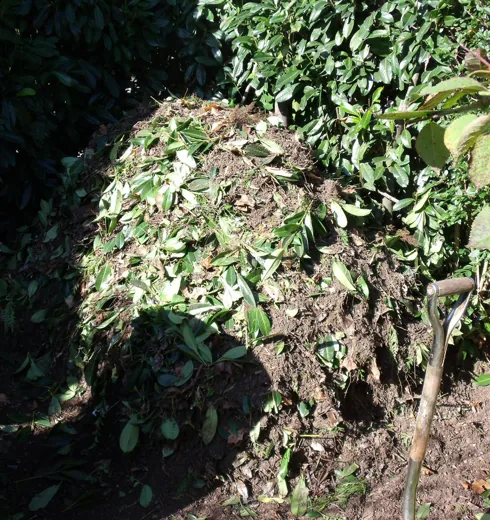
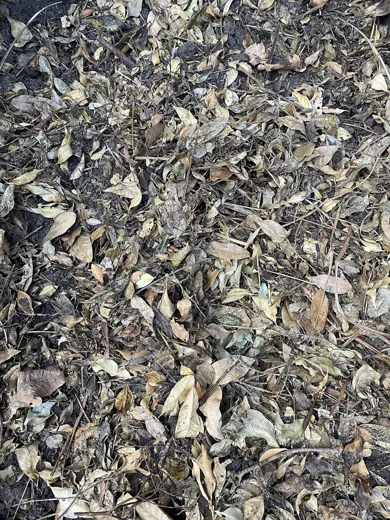
Leaf mould is made by letting collected leaves decompose on their own, producing a leaf-based soil conditioner rather than a balanced food-scrap compost. Learn how to contain, monitor and use it in a home garden.
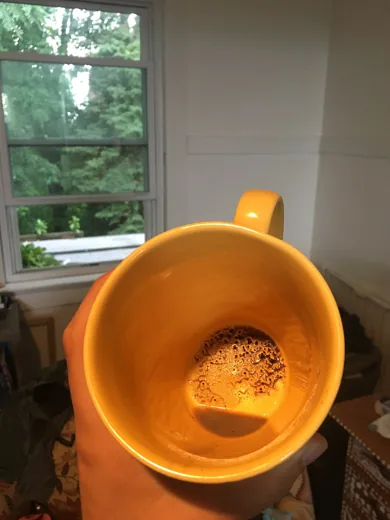
Yes, coffee grounds can go into a backyard compost pile or a worm bin, usually with their paper filters. Learn how to balance them with dry browns, avoid soggy clumps and choose a practical routine for kitchen scraps.
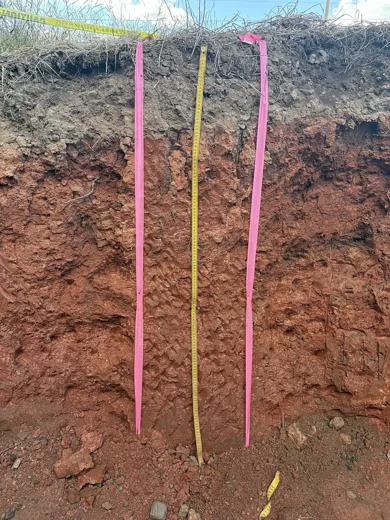
Use a simple observation after rain or a small test hole to see how quickly water leaves a garden spot, while recognizing what the result can and cannot tell you.
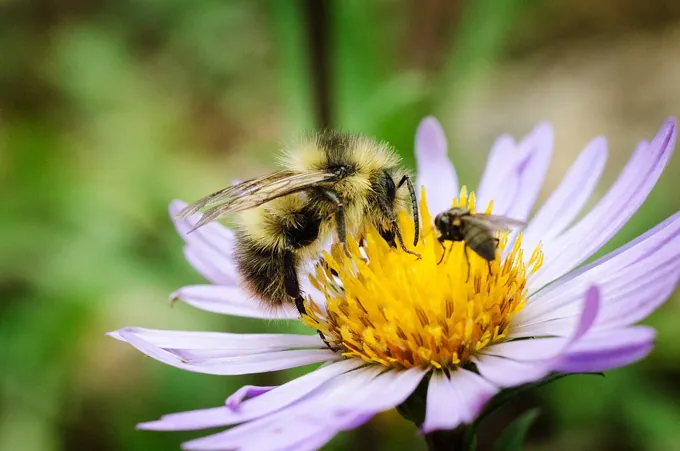
Start a pollinator garden by choosing a suitable sunny or shaded patch, planting regionally appropriate flowers, and reducing routine disturbance. A small, well-matched garden is a practical first step.
Choose a suitable mulch for the crop and season, apply it without smothering plants, and watch how it affects soil moisture, weeds and young seedlings.
 tree day