tree day
Guide
How long does compost take?
A well-maintained backyard pile may finish in about three to five months, while an untended pile may take a year. Materials, moisture, airflow and turning affect the pace, so look for finished texture as well as elapsed time.
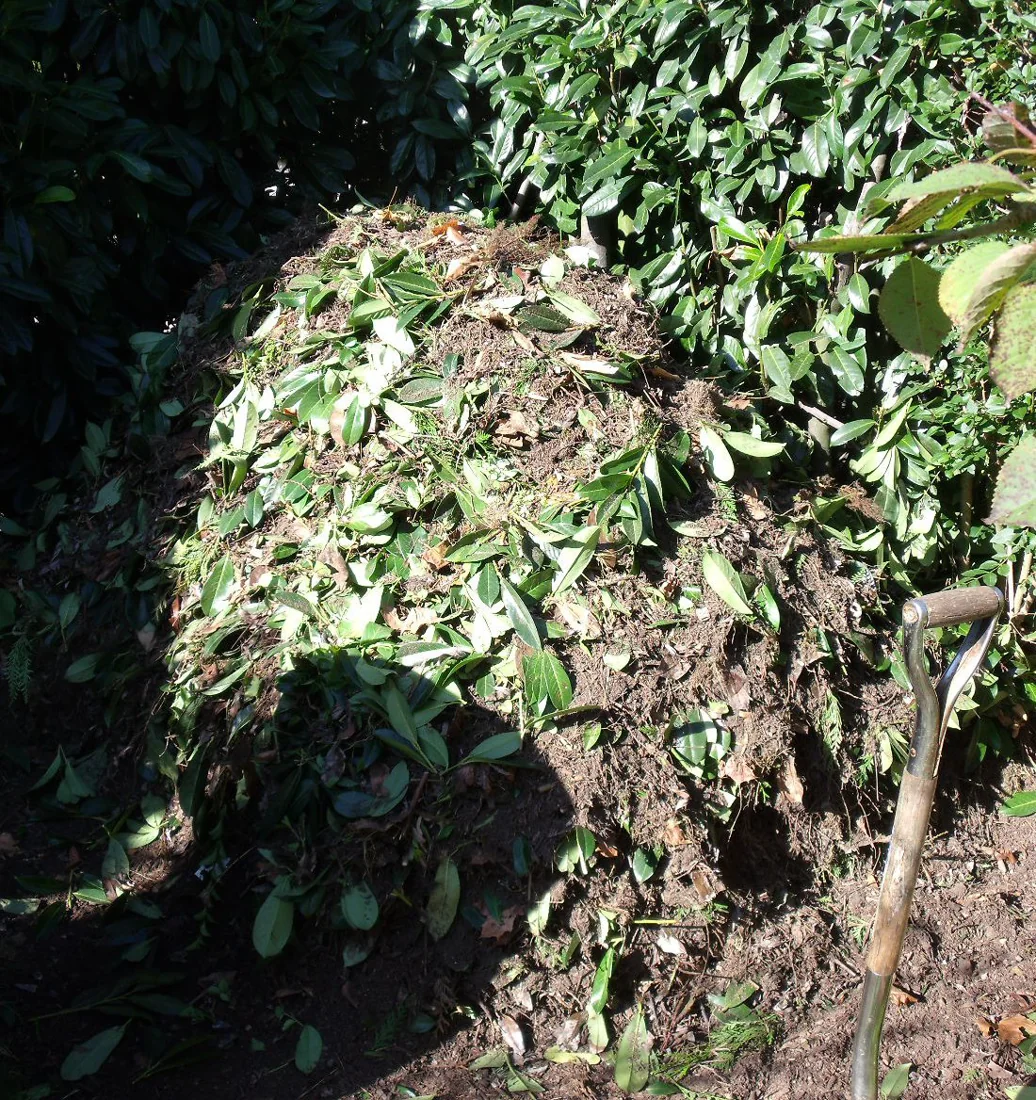
A well-maintained backyard compost pile may be ready in about three to five months; an untended pile can take a year.[1] Those are useful guideposts, not a promise for every bin. The time depends on the mix, moisture, airflow and management, so judge readiness by what the material looks and smells like as well as how long it has been sitting.
What makes a pile move faster
Compost forms as microorganisms decompose organic materials using carbon, nitrogen, water and oxygen.[1] A pile with a workable balance and enough air and moisture gives them conditions to keep working. EPA guidance recommends at least two to three parts browns by volume for each part greens and moisture like a wrung-out sponge.[1]
Smaller pieces can break down faster because more surface is exposed to decomposers. Chopping tough scraps such as stalks or corn cobs is one way to prepare material, though it is optional household effort rather than a requirement for every addition.[1] Turning and mixing occasionally also brings air into the pile and can speed decomposition.[1]
Why a calendar cannot settle the question
Two piles started on the same day may not finish together. One may receive regular additions, turnings and moisture checks; another may sit compacted or dry. A bin’s size and the mix of woody and soft ingredients also affect how quickly visible pieces disappear. This is why “how many months?” has a range rather than one dependable date.
If you continue adding fresh scraps to the same pile, you are mixing new material with older material that may already be close to finished. For a clearer harvest, stop adding to one side or move the oldest material to a separate area to cure while new scraps go elsewhere.[1]
Use the signs of finished compost
The EPA describes finished compost as dark, loose, crumbly and smelling like fresh soil, with most or all original materials no longer visible.[1] A pile that still contains obvious food scraps or is actively heating after mixing needs more time. The source recommends allowing the material to cure for at least four weeks once it is no longer heating after mixing and visible food scraps have disappeared.[1]
Sifting can separate stubborn twigs, pits and eggshells from the finished material. Those larger pieces can go back into an active pile to decompose further.[1] Texture and smell are useful because a calendar date alone cannot show whether a batch is stable and ready to use.
A practical example of a staggered batch
Imagine a household filling one bin with kitchen scraps and leaves through spring. Instead of emptying the whole thing at a guessed date, it could stop adding to that batch when it is nearly full, start a second collection area, and check the first pile for heating and visible scraps after mixing. Once those signs have passed, it can let the older material cure for the recommended period.[1] This hypothetical approach keeps new scraps from continually resetting the harvest window.
A second chamber is convenient, but not essential. Even a marked section of a pile or a covered container for finished material can help separate fresh additions from older compost. Choose a setup that fits the space and amount of scraps you produce.
Choose patience or more active management
If you want a quicker result, keep the pile balanced, damp and aerated, and break up bulky material when practical. If you prefer minimal maintenance, expect the process to take longer; an untended pile may need about a year.[1] The trade-off is time and effort, not a need to chase a precise temperature or turn every day.
Your next step is to check whether your oldest material is still heating after mixing or contains recognizable scraps. If it does, give it more time; if it meets the finish signs, let it cure before using it.
Follow the evidence
Primary sources used in this story. Practical examples are illustrative unless a source states otherwise.
Read our editorial standards. Have a correction? Identify the article and relevant source in your feedback to the site owner.