tree day
News & context · Development: 29 Jun 2026
Plant trees, grow curiosity: ENO’s 2026 learning campaign
ENO’s 2026 activities paired a May planting day with a student art competition whose results were announced in June. The learning lasts longer when planting is followed by observation and care suited to the site.
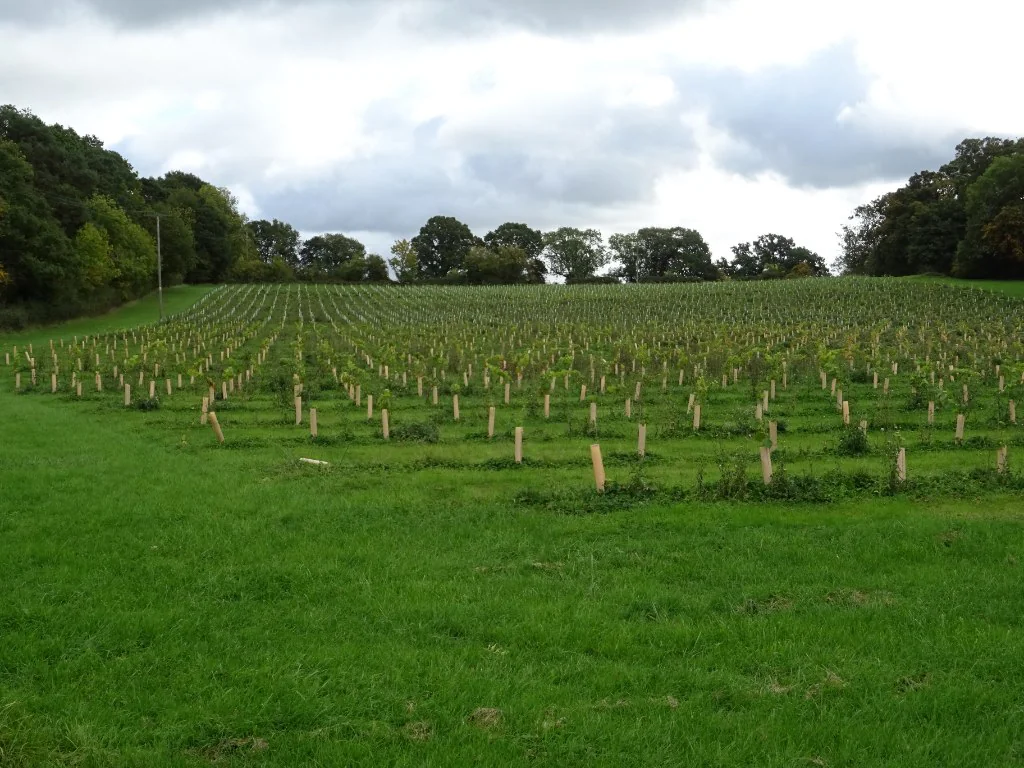
A tree-planting day can begin a lesson, but the tree’s first season is where the lesson becomes practical. ENO Schoolnet’s 2026 campaign connected a May planting event with an art competition inviting students to express ideas about trees, forests and nature. ENO announced the competition results on 29 June. The campaign offers a useful model for environmental learning: combine action and creative reflection, then keep watching what the planted tree needs.
What happened in the 2026 campaign
ENO organizes tree-planting events around 21 September and 22 May. Its May event is linked to the UN’s Day for Biodiversity. The 2026 campaign invited schools and communities to plant trees and included the “A Tree for Life” student art competition, organized by the Eco2adapt project in collaboration with ENO Schoolnet. ENO published the competition results in a press release dated 29 June 2026. [1]
The May registration invitation belongs to a past event; it is not a current opportunity to register for that date. The documented result announcement establishes that the competition took place and results were published, but it does not require inventing or naming winners to understand the learning idea. Students could connect a creative response with questions about trees, biodiversity and the places where they live. [1]
Art can make observation visible
A drawing or other artwork can ask students to notice details they might otherwise pass: bark texture, leaf shape, shade, seasonal change, or the way a tree relates to nearby plants and animals. The work becomes stronger when it begins with observation rather than a generic image of a tree. A class might compare how the same tree looks from different angles or ask what parts of its surroundings are easy to overlook.
This does not make art a substitute for ecological knowledge. It gives learners a way to express questions and interpretations, while a teacher can help distinguish what they observed from what they inferred. For example, a student might depict a tree as a “home” for wildlife; the class can then discuss which species have actually been seen and what evidence would support a more specific claim.
Planting is the start of responsibility
A planting activity is not complete when the tree is in the ground. Whether a tree establishes depends on choosing a species suited to local climate and site conditions, handling it appropriately and planning care around local soil and weather. There is no universal watering schedule or species list. Schools should seek advice from a local arborist, native plant group, extension service or municipal tree program familiar with the planting location.
A practical follow-up is to assign observation rather than assume survival. Students can record whether the tree is leafing, whether the soil holds moisture, and whether the planting area is being disturbed, then share concerns with the person responsible for care. Any watering or maintenance plan should follow local guidance and site conditions. A tree that fails can still prompt useful learning about what the site needed and what should change next time.
Build a lesson around the place
ENO’s activities bring together schools and communities, tree planting, learning and creative work. A teacher can make that combination specific by asking students to research which trees belong in the local landscape and what pressures those trees face. The point is not to assign a universal environmental message, but to connect classroom curiosity to a real place and a credible local source of advice. [1]
A hypothetical class might map shade around its school, sketch the chosen planting area, and revisit it through the seasons. The map can help students see whether the tree is near paths, buildings or existing plants; local experts can help determine whether the species and location are suitable. Students can add observations over time, turning a one-day event into a record of change.
Keep the invitation open after the event
ENO’s page describes a longer history: its tree-planting days began in 2004, with a September peace-tree event, and a second event was later organized around 22 May. That history places the 2026 campaign in a continuing educational practice rather than treating one planting day as a complete result. The documented campaign also linked planting to an art competition, giving students more than one way to take part. [1]
For a school or community considering its next activity, the useful choice is to decide what happens after planting: who is responsible for care, what students will observe, and how they will learn whether the tree is suited to the site. A locally appropriate planting with a clear follow-up plan is more educational than a larger event whose trees are forgotten once the photographs are taken.
Follow the evidence
Primary reporting and background sources. Event dates and publication dates are shown separately above.
Read our editorial standards. Have a correction? Identify the article and relevant source in your feedback to the site owner.