tree day
Guide
What can you compost?
For a typical backyard pile, fruit and vegetable scraps, coffee grounds, leaves and untreated plant material are useful ingredients. Some items accepted by commercial facilities should stay out of home piles, so check local collection rules.
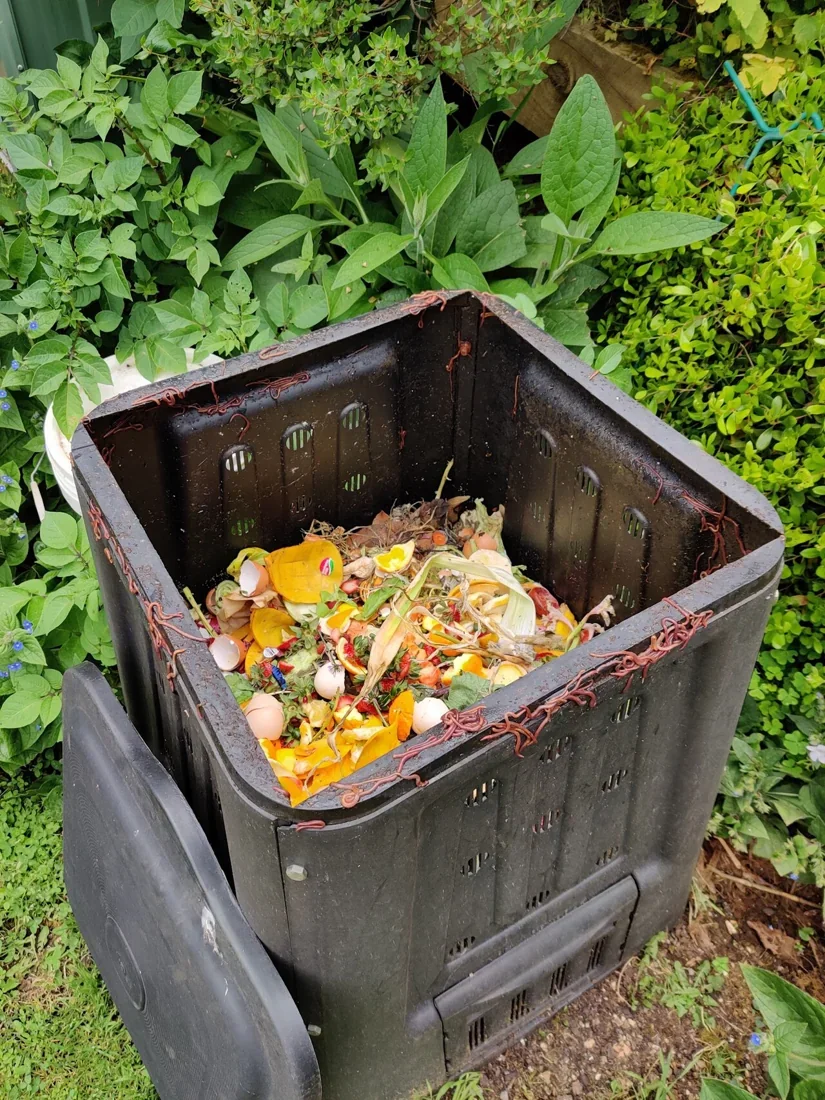
For a typical backyard compost pile, add fruit and vegetable scraps, dry leaves, grass clippings, coffee grounds with paper filters, and untreated plant material. Keep food scraps covered with browns such as leaves or shredded paper. Meat, dairy, grease and some other items may attract animals or fail to break down fully in backyard conditions.[1]
The everyday ingredients that fit
Most home piles use a mix of nitrogen-rich greens and carbon-rich browns. Greens include fruit and vegetable scraps, grass clippings and coffee grounds with paper filters. Browns include dry leaves, small twigs, untreated wood chips, and shredded non-glossy paper or brown bags.[1] Each group serves the composting process; neither category is a complete recipe by itself.
Crushed eggshells, paper tea bags without staples, shredded cardboard without wax, tape or glue, and plant stalks can also be added to a backyard pile.[1] Break bulky or tough scraps into smaller pieces when convenient. This gives decomposers more surface to work on, though a household does not need to turn food preparation into a separate chore.
What to leave out of a backyard pile
The EPA advises keeping meat, fish, bones, cheese and other dairy, fats, oils and grease out of backyard piles. These foods can attract animals, and backyard piles generally do not reach high enough temperatures to fully decompose them.[1] Cooked food is also listed among materials to avoid, although the source notes that small amounts are acceptable; if you want the simpler rule, leave it out.
Avoid pet waste and cat litter, treated or painted wood, dryer lint, produce stickers, glossy paper, diseased or pest-infested plants, and plants treated with herbicide.[1] These materials raise different concerns, from persistent contaminants to unwanted pests or materials that do not break down as expected. When in doubt, leave a questionable item out of the home pile rather than guessing.
Commercial collection is a different system
A material unsuitable for a backyard heap may be accepted by a commercial composting facility, which may operate under different conditions. The EPA notes this distinction for several food items and compostable foodservice ware, and advises checking whether a specific facility accepts them.[1] A product labeled compostable is not automatically suitable for a home pile or every curbside program.
If your city or hauler collects food scraps, follow that program’s accepted-items list. Rules vary by location and facility. The same caution applies to compostable bags and serviceware: look up the actual collection instructions before putting them in a bin.
Balance scraps with dry material
What you add is only part of the decision; how you layer it affects the pile. The EPA recommends at least two to three parts browns by volume for each part greens, covering food scraps with four to eight inches of dry leaves or other browns.[1] This helps absorb excess moisture and keeps scraps from sitting exposed at the surface.
For example, if a small kitchen container fills with vegetable peelings, empty it into the pile and cover the scraps with a generous scoop of dry leaves. This hypothetical routine creates a useful balance without requiring precise weighing. If the pile gets wet or smells unpleasant, add more browns and turn it to restore air.[1]
Choose a safe next addition
A quick decision rule is to ask whether an item is untreated plant matter or a food scrap listed as suitable for backyard composting. If yes, add it in a manageable amount and cover it. If it is meat, dairy, grease, pet waste, treated material or a packaged product, check the local program or leave it out.
Keep a short list of accepted ingredients near your kitchen scrap container. That makes daily choices easy and prevents a single uncertain item from contaminating a batch or attracting pests.
Follow the evidence
Primary sources used in this story. Practical examples are illustrative unless a source states otherwise.
Read our editorial standards. Have a correction? Identify the article and relevant source in your feedback to the site owner.