tree day
Guide
How to save water in the garden?
Reduce garden water waste by matching plants to the site, checking soil moisture, preventing runoff and directing irrigation toward the root zone.
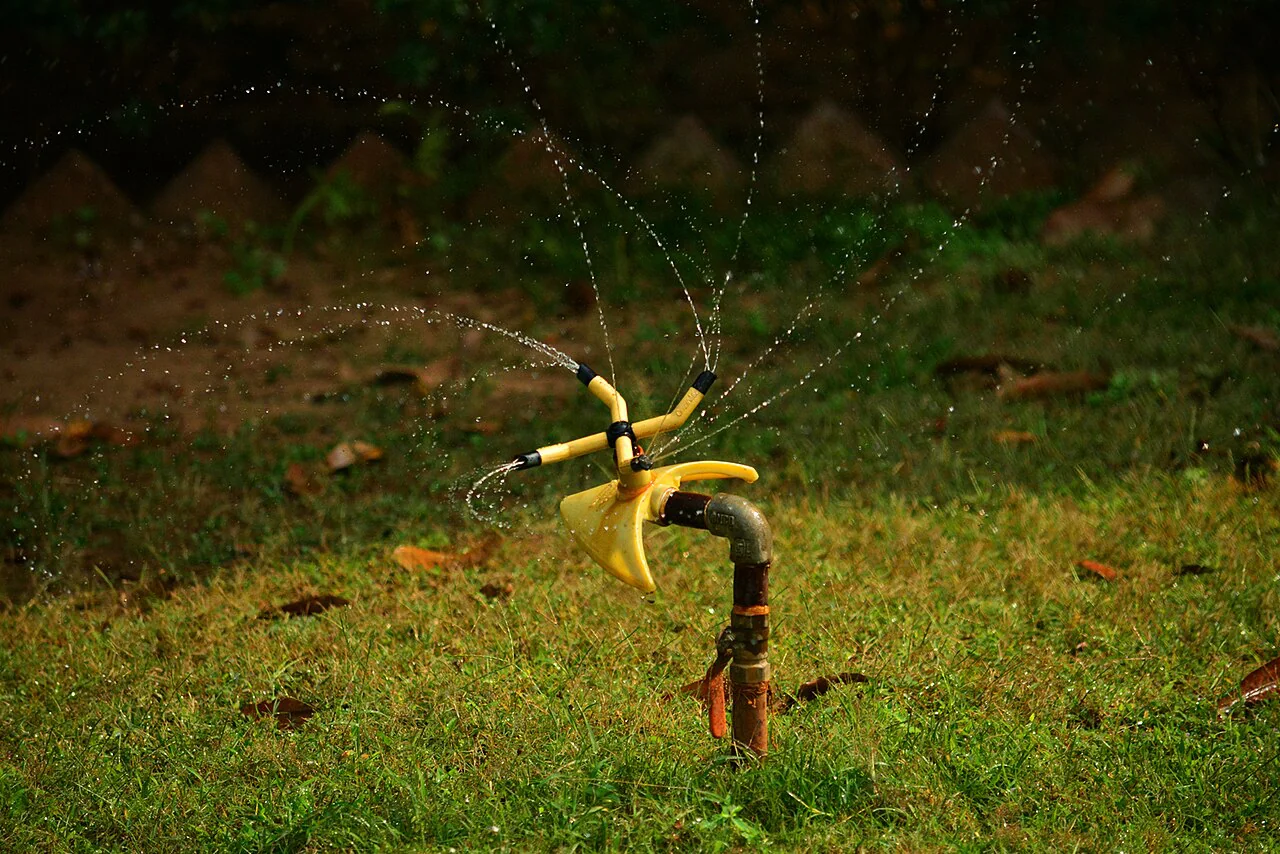
Save water in the garden by watering only where plants need it, reducing avoidable evaporation and choosing plants suited to the site. Start by checking where water goes: runoff, leaks, overspray and frequent watering of already damp ground all waste effort. A water-wise garden is built through small decisions about layout and timing, not by letting every plant go thirsty.
Find the waste before changing the routine
Look for water running off beds, spraying paths or dripping from a hose or irrigation connection. Check soil near plant roots before watering; a dry surface can sit above moist soil, and a wet-looking surface may hide dry roots. Pay attention after rain, when another watering may be unnecessary.
WaterSense emphasizes timing and the amount applied as ways to avoid runoff and keep a landscape healthy [1]. Apply that principle by observing how quickly water enters the soil and stopping or slowing application if it begins to flow away. The right interval depends on plants, soil, weather and rooting depth, so avoid a fixed schedule for the whole garden.
Match plants to light, soil and local climate
A plant that suits the site often needs less intervention than one placed where its water needs conflict with exposure or soil. Group plants with similar moisture needs where possible, and consider shade, wind and the natural drainage of each bed. Regional plant guidance can help identify species that are adapted to local conditions.
A sunny, windy strip and a shaded bed beside a downspout are unlikely to have identical water needs. Treating them as one watering zone may overwater one while leaving the other dry. WaterSense recommends a holistic approach to designing a water-smart landscape, including attention to the property and regional examples [1].
Protect soil moisture
Mulch can reduce direct evaporation from exposed soil and soften the impact of rain. Choose material appropriate to the plants and leave space around stems. A dense or water-repellent cover may prevent water from reaching the soil, so inspect beneath it and adjust if water runs away or the bed remains too wet.
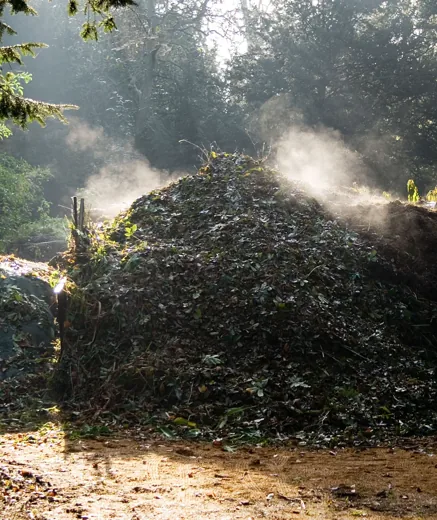
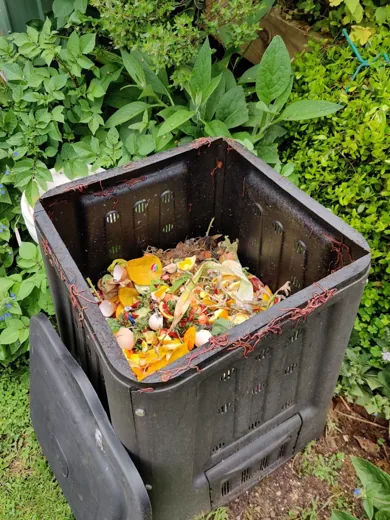
Finished compost can also improve soil structure and help it retain moisture, according to the EPA [2]. It is an amendment, not a substitute for checking drainage or using a suitable watering method. Build soil gradually and avoid adding material simply because a bed looks dry on the surface.
Direct water where roots can use it
Use a watering method that reaches the root zone with limited overspray. For established plantings, drip lines or careful hand watering can reduce water landing on paths, while sprinklers may be useful for areas that need broad, even coverage. The best choice depends on bed shape, plant spacing, pressure, maintenance and local restrictions.
For a hypothetical mixed border, separate thirsty vegetables from drought-tolerant plants rather than running one system for both. Check fittings and emitters periodically; a small leak or clogged outlet can undermine the whole setup. Water slowly enough for the soil to absorb it, and pause if puddles or runoff appear.
Choose a manageable next improvement
Do not try to change every bed at once. Track one area through a dry spell: note moisture, runoff and which plants need attention. If you have an in-ground system, WaterSense says a certified irrigation professional can install, maintain or audit it [1]. For a small garden, correcting a leak or adjusting a zone may be the easiest first step.
Your next choice is to inspect one bed after watering, then fix the clearest source of waste before changing the rest of the garden.
Follow the evidence
Primary sources used in this story. Practical examples are illustrative unless a source states otherwise.
Read our editorial standards. Have a correction? Identify the article and relevant source in your feedback to the site owner.