tree day
Guide
How to attract butterflies?
Butterflies are more likely to use a garden that offers appropriate flowers and host plants, with conditions suited to local species. Plan habitat for a life cycle, not just a brief adult visit.
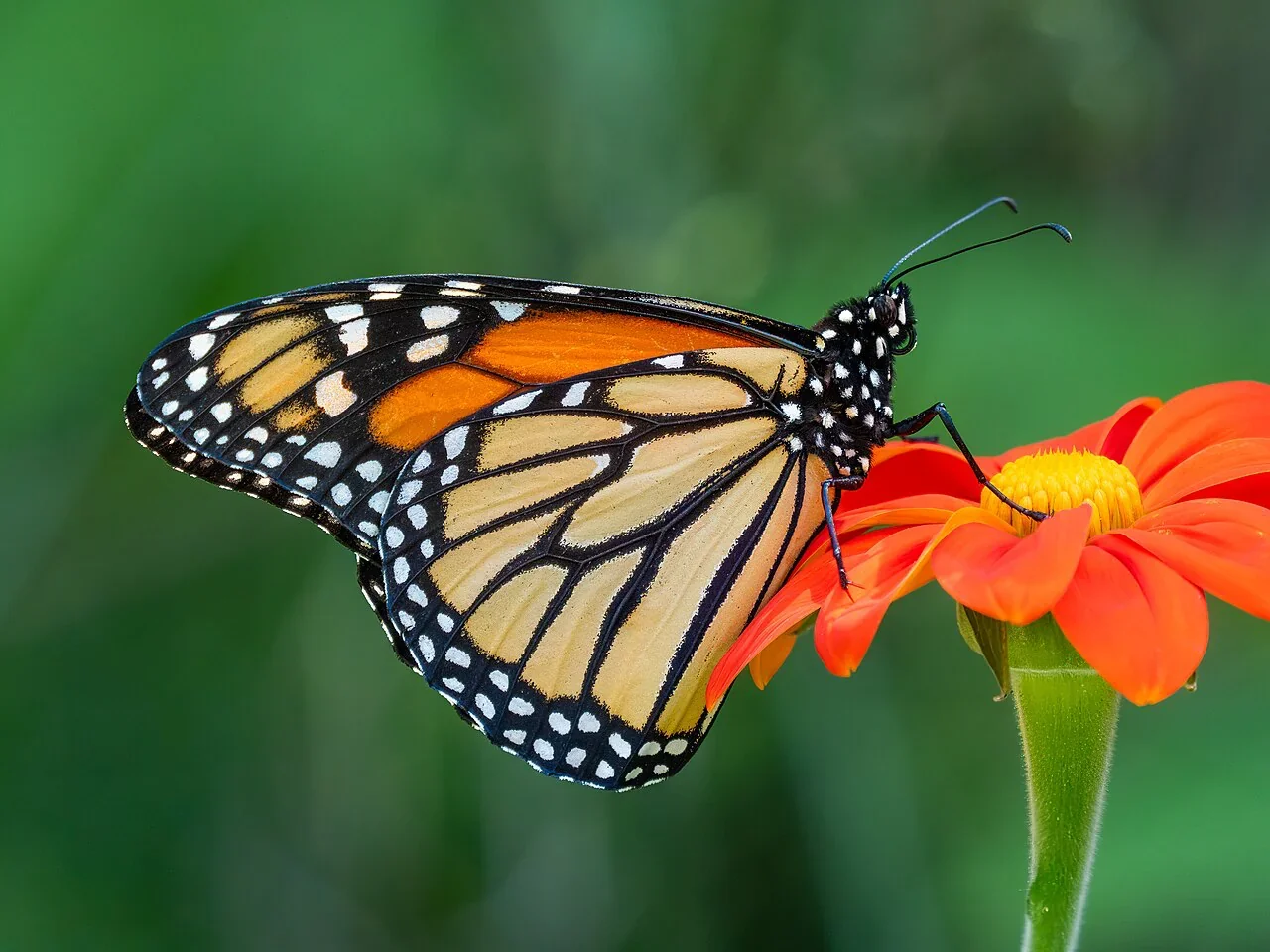
To attract butterflies, plant flowers that provide nectar and include host plants used by local caterpillars. A garden with only nectar flowers may draw adult visitors briefly while offering little for the next stage of their life cycle. Begin with species found in your region, then match them to your garden’s sun, soil and moisture so the planting can persist.
Think beyond the adult butterfly
Butterflies need resources at different life stages. Adults visit flowers for nectar, while caterpillars depend on particular host plants; the relevant plants vary by butterfly species. A garden intended to support butterflies should therefore include both flowering plants and host plants recommended for local species. Avoid assuming that one generic “butterfly plant” serves every species or every life stage.
The U.S. Fish and Wildlife Service describes pollinators as important to plants, wildlife and people, and encourages habitat actions such as native pollinator gardens. [2] Use local species information to decide which butterflies are plausible visitors and what plants they need. A regional butterfly guide or native plant resource can turn a broad wish into a realistic list suited to your area.
Choose flowers for your conditions
Observe the planting site before selecting flowers. Note sun, shade, drainage and whether the soil dries quickly. Then look for locally appropriate plants that fit those conditions and provide blooms at different points in the growing season. A mix helps avoid a garden that flowers all at once and then offers little color or nectar afterward. It also creates a more resilient planting than relying on one species.
For example, a hypothetical sunny border might combine several regionally suitable flowering perennials with host plants identified for local butterflies. A shaded yard would need a different list; copying the sunny border into it could lead to weak growth and extra maintenance. Check mature height and spread so plants do not crowd paths or block the garden’s other uses.
Make the site livable for caterpillars
Caterpillars eat leaves, so host plants may show visible feeding. That damage can be part of the purpose of the planting rather than evidence that something has gone wrong. If the garden is expected to look immaculate, reserve a less prominent section for host plants or explain the planting’s purpose with an edge or sign. Avoid removing every leaf as soon as it is chewed.
Limit routine disturbance where possible. Avoid applying pesticides without understanding their effects and following applicable product directions; a treatment intended for one pest may also affect insects you want to support. Water needs are site-specific, especially during establishment. WaterSense recommends landscape planning that avoids wasteful runoff, but it does not prescribe one schedule for every garden. [1] Check soil and plant condition instead of applying a fixed calendar.
Expect observation, not guaranteed visits
Even a well-planned garden cannot guarantee butterflies. Their presence depends on local populations, weather, season and whether needed resources are available nearby. A short visit to a flower does not prove the habitat supports the full life cycle. Look for repeated use over time, and note which plants are flowering or being used; those observations can guide future additions without overinterpreting a single sighting.
A common mistake is buying a seed packet labeled for butterflies without checking the species, regional fit or planting instructions. Some mixes may not match the local climate or the intended habitat. The next step is to identify one or two butterfly species found in your region, find their recommended host plants, and build a small planting around the light and moisture your site actually offers.
Follow the evidence
Primary sources used in this story. Practical examples are illustrative unless a source states otherwise.
Read our editorial standards. Have a correction? Identify the article and relevant source in your feedback to the site owner.