Gardens & growing · Guide
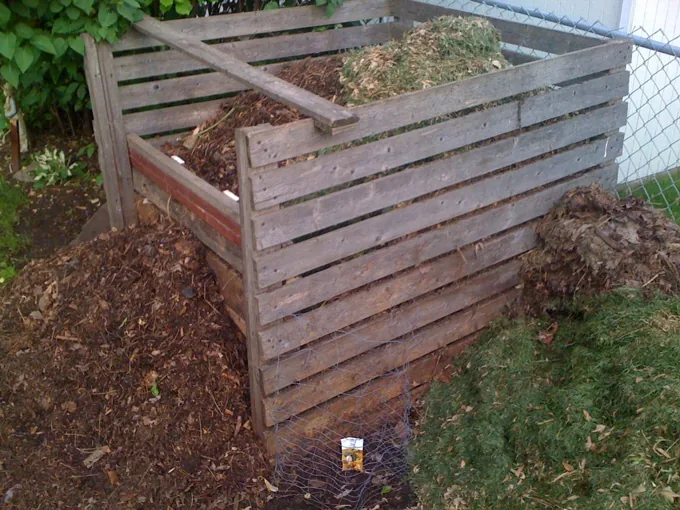
Why does my compost smell?
A bad smell usually means the pile is too wet, compacted or short on air. Add dry browns, turn the materials to introduce oxygen, and cover fresh food scraps so the pile can recover.
 tree day.
A greener world.
A life well lived.
IDEAS TO TAKE INTO EVERYDAY LIFE
Small patches, healthier soil and more room for wildlife.
31 articles
Clear filtersGardens & growing · Guide
A bad smell usually means the pile is too wet, compacted or short on air. Add dry browns, turn the materials to introduce oxygen, and cover fresh food scraps so the pile can recover.
Gardens & growing · Guide
Learn to judge when pots need water, how to wet the root ball thoroughly, and how pot size, mix, weather and drainage change the routine.
Gardens & growing · Guide
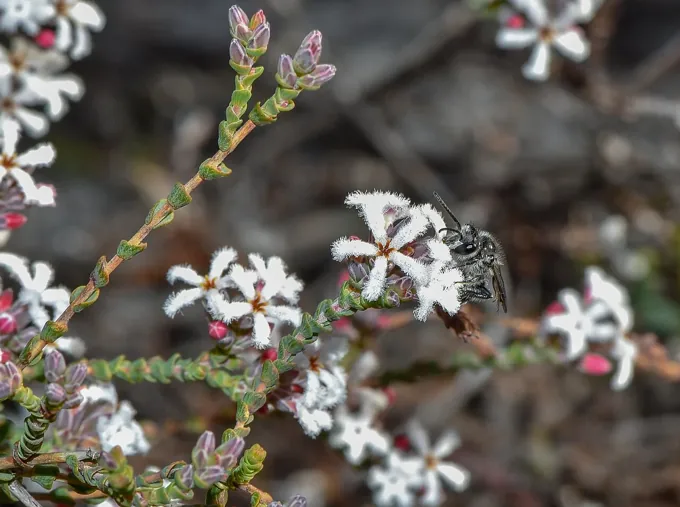
Support native bees by growing locally appropriate flowers, keeping nesting opportunities where suitable, and minimizing unnecessary disturbance. Start with habitat that fits the species and conditions of your region.
Gardens & growing · Guide
Balcony gardening begins with a realistic check of light, exposure, space and building rules. Choose a few containers and plants that suit those conditions, then check moisture often enough to respond to wind and sun.
Gardens & growing · Guide
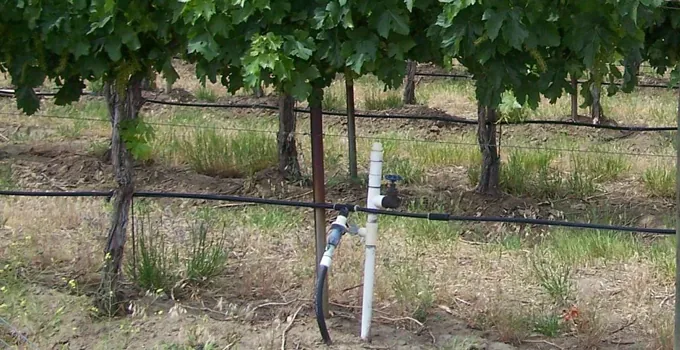
Compare drip irrigation and sprinklers by planting layout, water placement, maintenance and coverage, then choose the method that suits the space you actually need to irrigate.
Gardens & growing · Guide
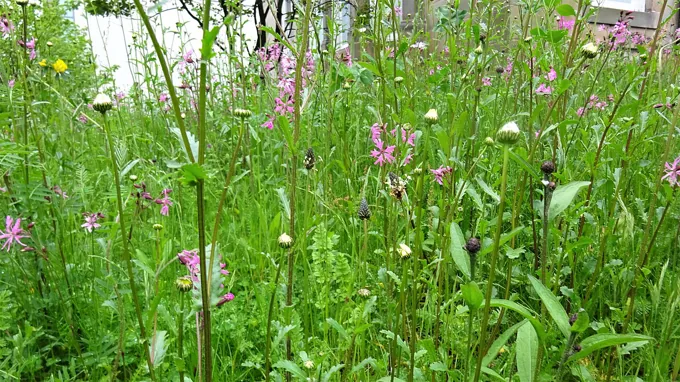
A meadow and a lawn serve different purposes and demand different kinds of care. Compare how people use the space, its growing conditions and the maintenance each option needs before converting it.
Gardens & growing · Guide
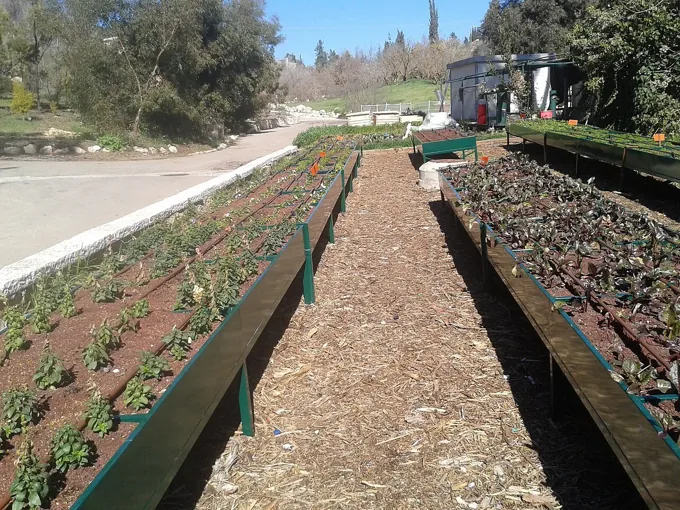
Raised beds can make soil easier to manage in a defined space, while in-ground gardens use the existing site and may require less construction. Compare drainage, soil condition, access, cost and watering before choosing.
Gardens & growing · Guide
Native and ornamental describe different things: one refers to a plant’s regional origin, the other to its cultivated garden role. Choose by site fit, habitat goals and the care you can provide.
Gardens & growing · Guide
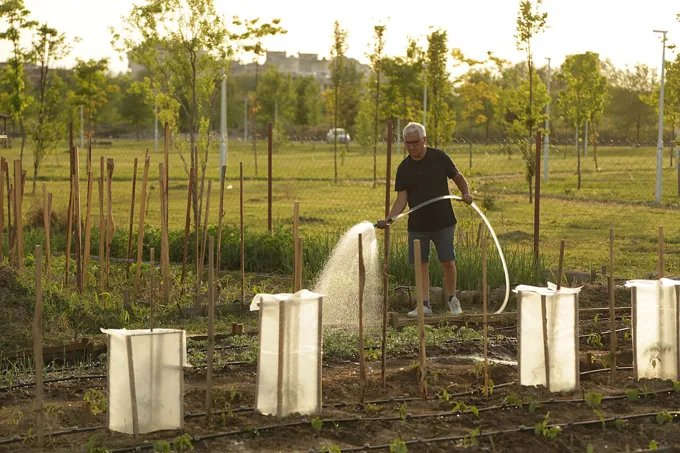
A shared garden needs clear agreements about space, water, tools, compost and decisions. Practical rules make it easier to welcome different gardeners while keeping common areas and recurring chores in good order.
Gardens & growing · Guide
Reduce lawn gradually by identifying unused sections, preserving necessary paths and choosing replacements suited to local conditions. A staged conversion makes maintenance and plant performance easier to assess.
Gardens & growing · Guide
A school garden is easier to sustain when its size, access, watering and care fit the school day. Start with a small, reachable growing area, decide who maintains it during breaks, and choose plants for local conditions.
Gardens & growing · Guide
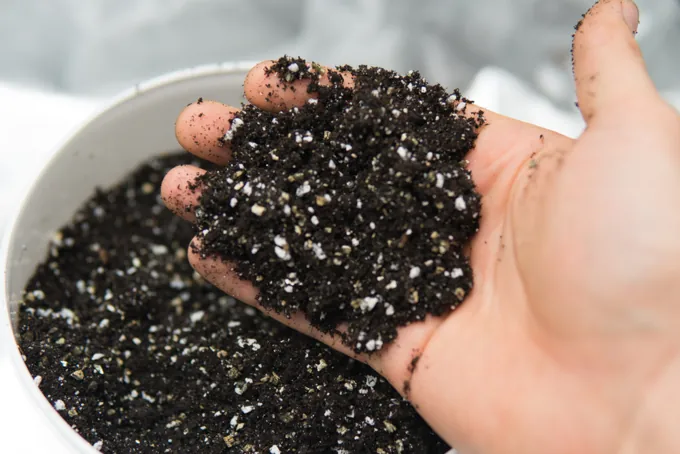
Peat-free gardening works best when you choose a growing medium for the plant and task, then manage water and nutrients accordingly. Learn how to compare mixes, improve soil, and avoid common substitutions that disappoint.
Gardens & growing · Guide
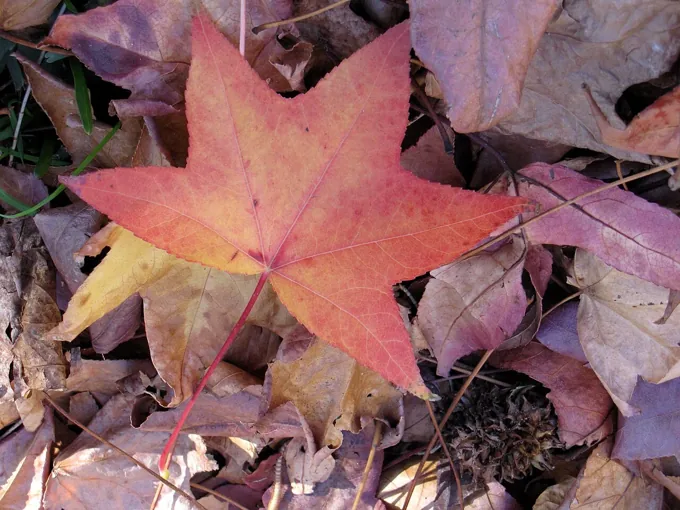
Autumn leaves are valuable carbon-rich material for a compost pile and can also be kept as leaf mould. Learn how to store, mix and use them, while avoiding diseased foliage and leaves treated with herbicide.