tree day
Guide
Native plants vs ornamental plants?
Native and ornamental describe different things: one refers to a plant’s regional origin, the other to its cultivated garden role. Choose by site fit, habitat goals and the care you can provide.
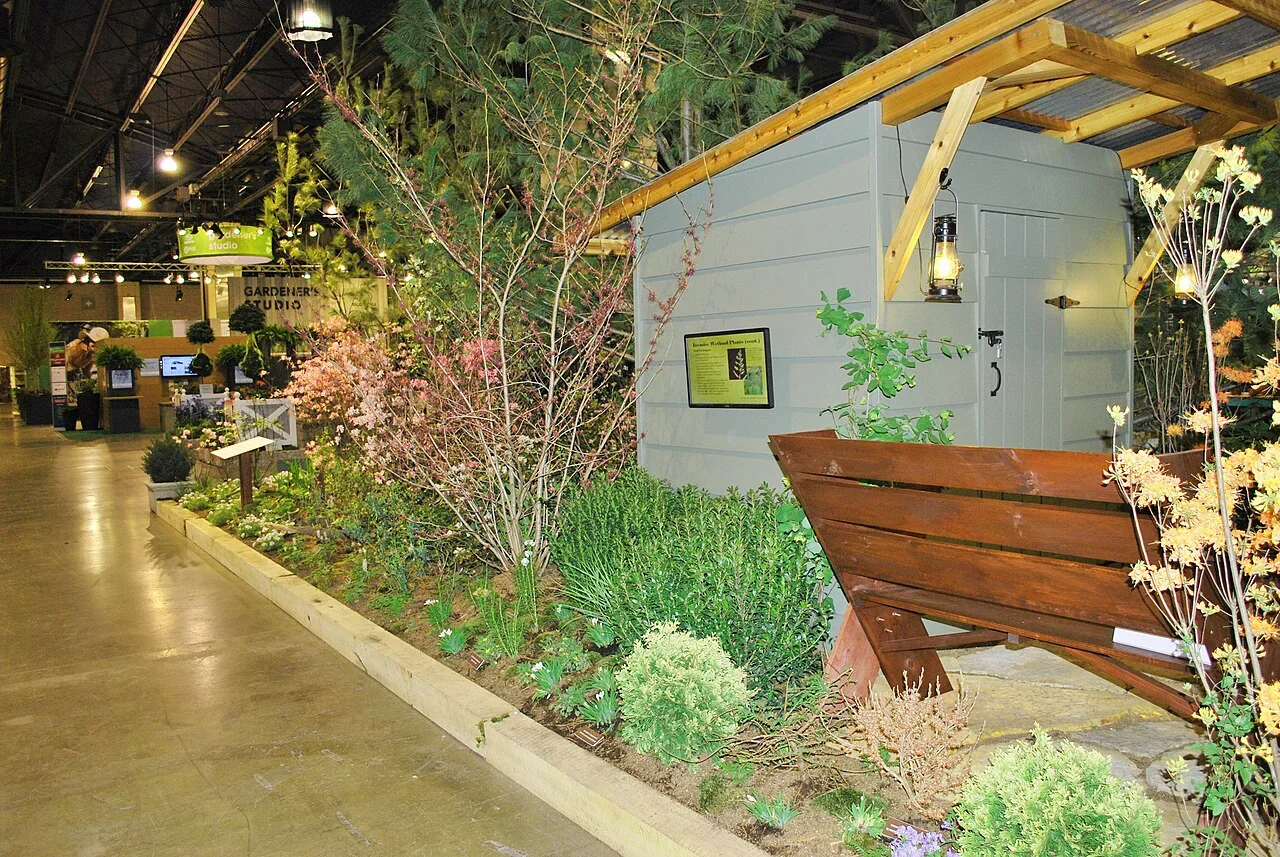
A plant can be both native and ornamental: “native” describes where a species naturally occurs, while “ornamental” describes a plant grown for decorative use. The practical choice is not a simple contest between two labels. Ask whether a plant suits your local climate and site, what you want the planting to do, and how much maintenance you can manage.
Separate origin from garden purpose
Native usually means a species occurs naturally in a defined region, though the useful scale depends on the gardening question. A plant native to one part of the United States may not be native to another, and it may not suit every soil or exposure within its home range. “Ornamental” is a broad horticultural term for plants selected or grown for appearance. A native wildflower grown for its flowers can therefore be ornamental too.
Labels alone do not explain performance. A locally native species can fail in a wet, shaded bed if it is adapted to dry sun; an ornamental cultivar can thrive in the right conditions but still need more water or care than you prefer. Start with the site: sun, drainage, soil, available space and the way people use the area.
Use habitat goals to guide the shortlist
If supporting local wildlife is a goal, prioritize plants that regional resources identify as useful habitat. The U.S. Fish and Wildlife Service encourages native pollinator gardens as a conservation action and notes that pollinators support plants, wildlife and food systems. [3] This supports considering regional plants, but it does not mean every native species benefits every pollinator equally or that any particular planting guarantees wildlife outcomes.
A hypothetical front border could include local native flowering plants for seasonal blooms, plus a small number of ornamental plants chosen for a specific purpose such as a defined edge or winter structure. The combination can work if each plant fits the light, soil and water conditions. Check whether ornamental selections are invasive or unsuitable in your area through local guidance, especially before planting species that spread readily.
Compare care needs, not just price or flower color
Garden water demand depends on the plant and the whole landscape design. EPA WaterSense advises designing a water-smart landscape holistically and timing irrigation to avoid wasteful runoff. [2] A plant that fits local rainfall and soil may need less supplemental water once established, but that is not a guarantee; newly planted specimens and unusual weather can change the picture. Grouping plants with similar needs can make care more straightforward.
Soil amendments also deserve a specific reason. EPA guidance says finished compost can improve soil structure and help retain moisture, but compost does not make every site right for every species. [1] Before buying, compare mature size, seasonal appearance, moisture preference, maintenance and local ecological guidance. A plant’s label may omit some of those details, so use a regional source when the choice affects habitat or spread.
Choose for the job, then observe
The best choice depends on the job. For a pollinator bed, begin with regionally appropriate plants recommended for that purpose. For a formal hedge, a carefully chosen ornamental may better meet the desired shape, provided it is suitable and manageable locally. In a mixed border, different plants can serve different roles. The important distinction is between a plant that fits the intended site and one selected without checking its needs.
A common mistake is assuming “native” means no care or “ornamental” means ecologically useless. Both conclusions are too broad. Plants need suitable conditions, and garden value depends on species, location and management. Your next step is to list the bed’s light, soil moisture and purpose, then compare a few candidate plants against a local native plant guide and the mature dimensions on their labels.
Follow the evidence
Primary sources used in this story. Practical examples are illustrative unless a source states otherwise.
- US EPA: Composting at home ↗
- US EPA WaterSense: Outdoors ↗
- US Fish and Wildlife Service: Pollinators ↗
Read our editorial standards. Have a correction? Identify the article and relevant source in your feedback to the site owner.