tree day
Guide
Wildflower meadow vs lawn?
A meadow and a lawn serve different purposes and demand different kinds of care. Compare how people use the space, its growing conditions and the maintenance each option needs before converting it.
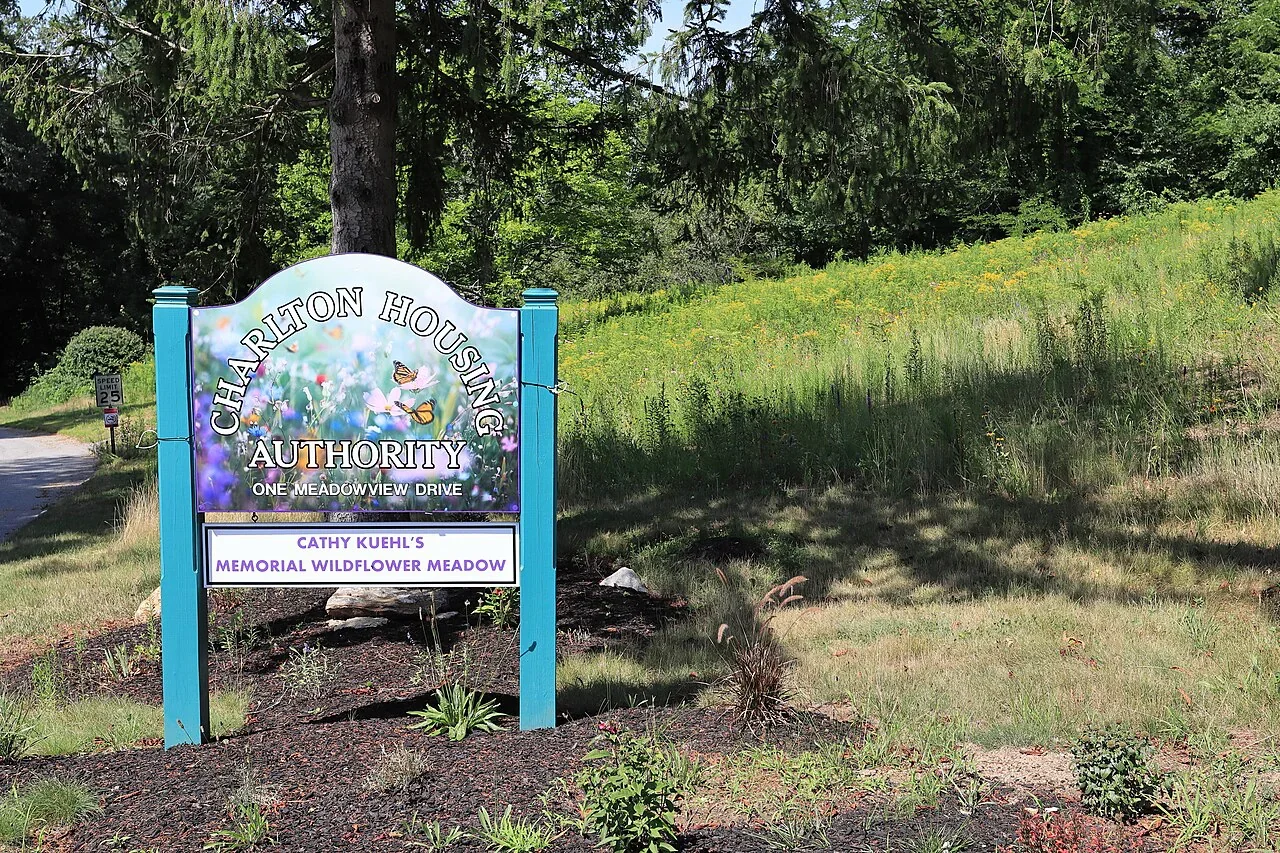
Choose a wildflower meadow where a less formal, seasonal planting can meet your needs; keep lawn where people need a durable, walkable surface. Many yards work best as a mix. The decision depends on use, site conditions and tolerance for establishment work, not on the assumption that either option is effortless or right for every property.
Begin with how the space is used
Lawn provides a relatively uniform surface for walking, play or gathering, depending on the species and maintenance. A meadow offers changing height, flowers and seed heads, but is usually less suited to frequent foot traffic. Before changing anything, mark paths, seating, play areas and access routes. Those practical uses may identify a small lawn core with planted edges as a better fit than a whole-yard conversion.
The visual difference matters too. A meadow can appear untidy to neighbors accustomed to closely cut grass, even when it is deliberately managed. A crisp edge, mown path or simple sign can make the boundary legible. The right arrangement is the one that supports the space’s actual use and can be maintained consistently.
Compare the site before choosing seed
Sun, soil, drainage and local climate influence what can grow. A generic wildflower mix may contain species poorly suited to the location, so check regional recommendations and the mix’s plant list. For a meadow, local native plants are often a sensible starting point when habitat support is a goal, but local guidance is needed to match species to the site. The U.S. Fish and Wildlife Service encourages native pollinator gardens as a way to help pollinators. [3]
A lawn also has site requirements; grass that struggles in shade or stays wet may need a different approach. EPA WaterSense recommends designing landscapes holistically and avoiding wasteful irrigation runoff. [2] That makes plant choice and layout relevant to water management, but does not establish that a meadow always uses less water. Water needs depend on species, climate, establishment and care.
Count the work in establishment and upkeep
Converting lawn to meadow often takes preparation and patience. Existing grass can compete with new plants, and weeds may fill open soil while plants establish. The appropriate method depends on the area, site and chosen seed or plants. Start with a manageable section, keep paths clear, and plan how you will respond to weeds without damaging desired plants. If digging is involved, arrange utility location first.
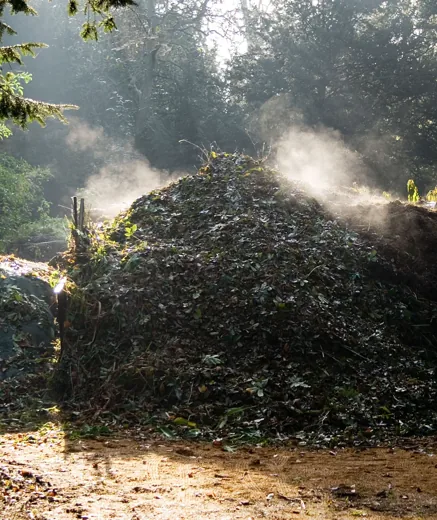
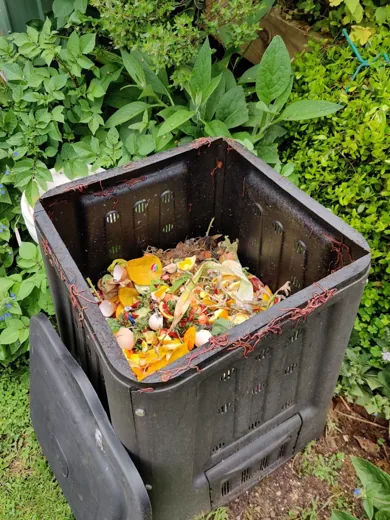
A lawn may require regular mowing and, depending on species and conditions, irrigation or other care. A meadow generally still needs management, such as periodic cutting or selective removal of unwanted plants, with timing guided by local advice and the planting’s goals. Compost can improve soil structure and moisture retention, but does not solve every site problem and need not be added automatically. [1]
Try a reversible test area
A useful compromise is to convert one section first. Choose a patch that is not a main route, note its light and moisture, and select a regionally appropriate planting. Keep a clear path and a lawn area for activities. After a growing season, assess whether the patch fits the yard, whether maintenance is realistic and which plants established. This provides local evidence before committing more space.
A common mistake is comparing a newly seeded meadow with a mature lawn as though both were already established. The meadow’s first seasons may involve bare patches, weeds and uneven growth. Another is assuming that flowers alone make a meadow: a durable planting needs a species mix suited to soil and management. Your next choice is to identify the space’s must-have uses, then test a small meadow area where a change will not interfere with them.
Follow the evidence
Primary sources used in this story. Practical examples are illustrative unless a source states otherwise.
- US EPA: Composting at home ↗
- US EPA WaterSense: Outdoors ↗
- US Fish and Wildlife Service: Pollinators ↗
Read our editorial standards. Have a correction? Identify the article and relevant source in your feedback to the site owner.