tree day
Guide
How to share a community garden?
A shared garden needs clear agreements about space, water, tools, compost and decisions. Practical rules make it easier to welcome different gardeners while keeping common areas and recurring chores in good order.
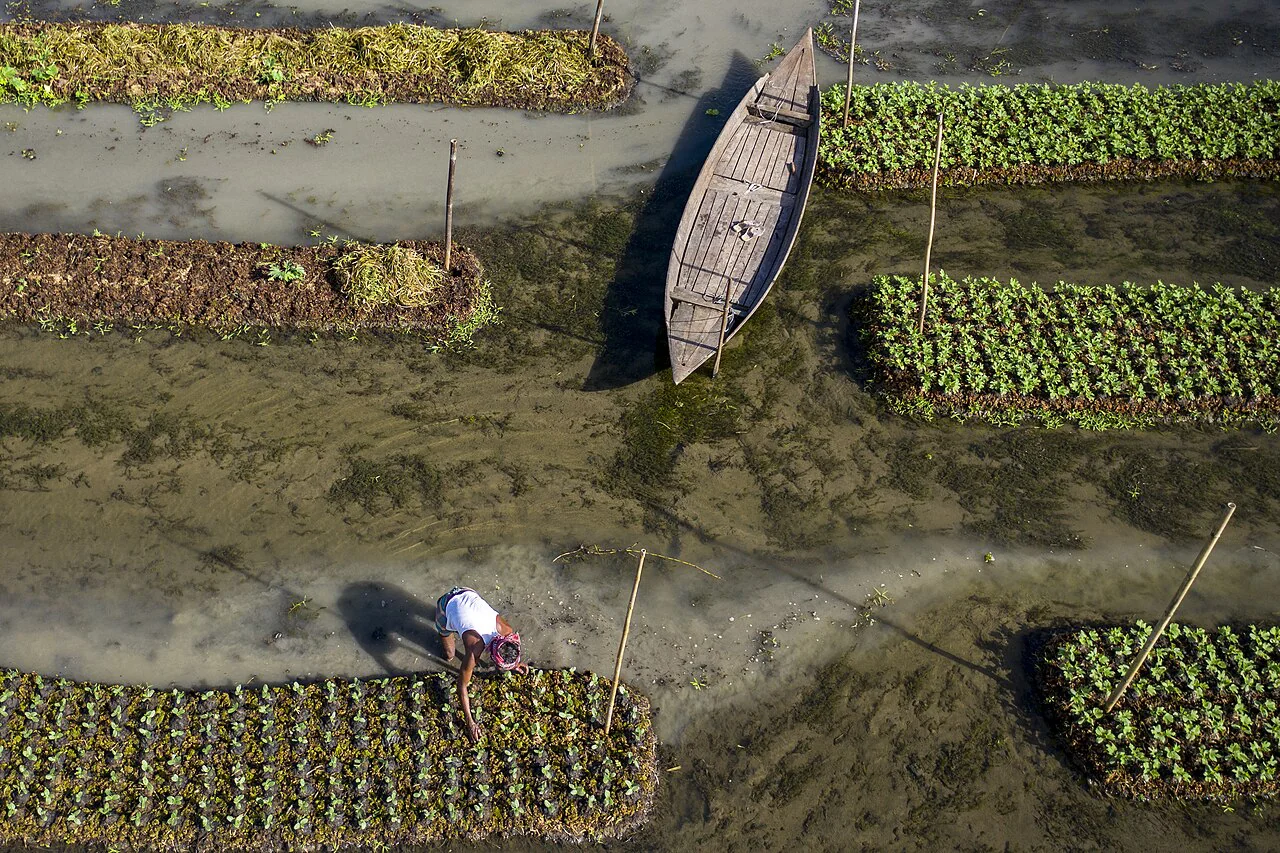
A community garden is easier to share when people agree on the ordinary questions before they become disputes: who waters, where tools go, whether a neglected plot can be reassigned, and how shared harvests work. A written agreement need not be elaborate. It should make responsibilities visible, leave room for different gardening styles, and explain how members can raise a concern and revise a rule.
Separate shared space from personal plots
Draw a simple map that identifies individual plots, paths, water points, storage and any communal growing area. Mark which features belong to everyone and which decisions a plot holder can make independently. This reduces confusion about where a wheelbarrow may be parked or whether a vine can spread across a neighbor’s boundary. Keep paths wide enough for the people and equipment who use them, and make accessible routes part of the layout from the beginning.
Agree on boundaries without assuming every gardener wants the same result. One person may grow vegetables, another may care for flowers, and a shared area might support local pollinators. The U.S. Fish and Wildlife Service describes native pollinator gardens and habitat work as ways people can contribute to pollinator conservation. [3] A community can decide together whether to reserve a shared strip for that purpose, while allowing individual plots to reflect members’ interests and local growing conditions.
Write down the recurring jobs
List chores that keep the site usable: checking water access, maintaining paths, putting away tools, managing shared compost and communicating closures. Assign each task to a role or rotating schedule, and make clear how someone can trade a shift or report that a job cannot be done. Vague expectations such as “everyone helps” often leave a few people doing the work and others uncertain about what is needed.
Water is a common point of friction because plants have different needs and weather changes. Agree on how members will check their own plots, how shared areas will be handled, and who reports a broken hose or leak. EPA WaterSense recommends learning when and how much to water and planning landscapes to reduce wasteful runoff. [2] That principle supports observation and communication, not a single watering timetable for every bed. Members can share what works in particular conditions while remaining responsible for their own plants.
Set useful compost and tool rules
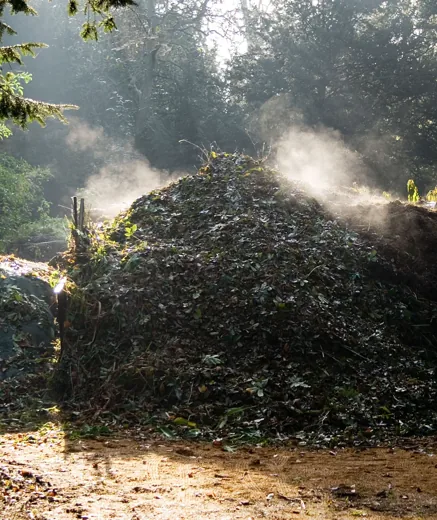
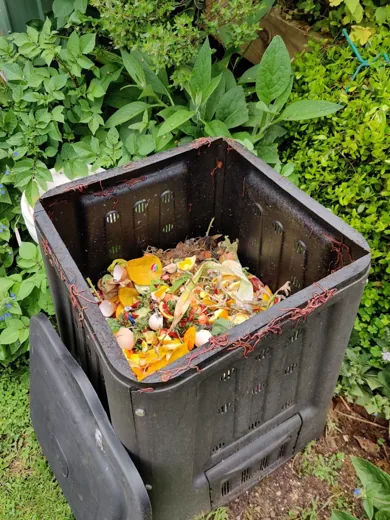
If the garden has a shared compost system, explain what goes in, who maintains it and how finished material is distributed. The EPA describes composting as managed aerobic decomposition and identifies browns, greens, water and air as key ingredients. [1] A badly maintained pile can create odor or attract pests, so someone should be responsible for monitoring it and correcting problems. Do not assume all food scraps or compostable products belong in every system; the accepted materials depend on the method and local service.
For tools, choose a storage location, sign-out method if needed and a process for reporting damage. Keep rules easy to find and use. A short posted list can say where tools return, whether members may borrow them off site and whom to contact about replacement. If the garden serves people with different mobility, language or experience, invite members to review whether the arrangement is actually workable rather than relying on a rule that exists only on paper.
Make conflict easier to resolve
Decide how members can raise concerns and who helps resolve them. Start with a direct conversation when that is comfortable, and provide a named coordinator or small committee for issues that affect shared space or repeated responsibilities. A fair process should let the people involved explain what happened and should distinguish an occasional lapse from a pattern that affects others. State how decisions are made, how members can appeal them and when rules are reviewed.
Plot expectations also deserve clarity. If the group expects plots to be actively tended, define what “active” means in practical terms and how the garden will contact someone before reallocating a space. Account for illness, travel or other temporary absences where possible. Consistency matters more than harshness: members should know the process in advance, and decisions should be applied in the same way across the garden.
Review the agreement in the garden itself
A garden’s needs change as members arrive, plants mature and shared equipment wears out. Review the agreement at a predictable point, such as the start or end of a growing season. Walk the paths together, check whether water and storage arrangements work, and ask which chores are being missed. Let members propose a small number of specific revisions rather than reopening every decision at once.
For a new group, the next action can be a one-page draft covering plot boundaries, shared duties, water, tools, compost and conflict resolution. Bring it to a site walk, edit it with the people who will use it, and give everyone a copy. Clear, revisable agreements help the group spend less time guessing and more time growing.
Follow the evidence
Primary sources used in this story. Practical examples are illustrative unless a source states otherwise.
- US EPA: Composting at home ↗
- US EPA WaterSense: Outdoors ↗
- US Fish and Wildlife Service: Pollinators ↗
Read our editorial standards. Have a correction? Identify the article and relevant source in your feedback to the site owner.