tree day
Guide
Gardening without peat?
Peat-free gardening works best when you choose a growing medium for the plant and task, then manage water and nutrients accordingly. Learn how to compare mixes, improve soil, and avoid common substitutions that disappoint.
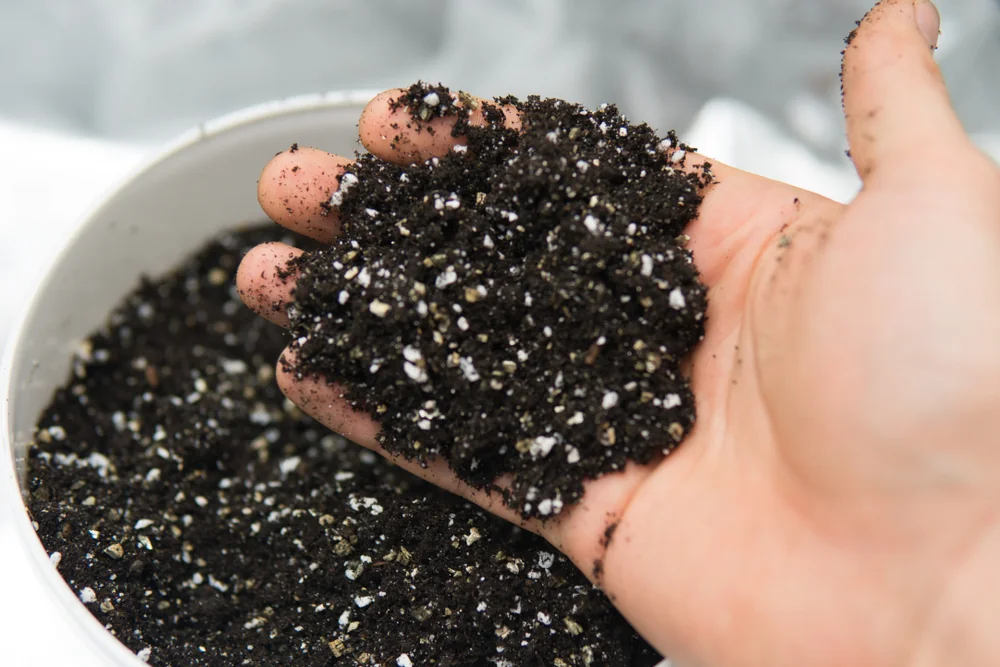
Yes, you can garden without peat, but there is no single replacement that behaves exactly like it. A seed tray, a pot of herbs and an established flower bed ask different things of their growing medium. Start by identifying the job, then choose a peat-free mix suited to it and pay attention to moisture: some alternatives dry faster, while others hold water readily. The label is a starting point, not a complete growing plan.
Match the medium to the job
Peat has been used in potting products because it is light and can hold water, but gardeners do not need to reproduce every one of those traits with a single ingredient. A container mix should support roots, drain after watering and retain enough moisture between checks. Seed starting often calls for a fine, relatively uniform medium; larger plants can tolerate a coarser texture. In beds, the existing soil matters far more than a bagged potting mix.
Look for products labeled peat-free and intended for your use, such as seed starting or containers. Ingredients may include composted materials, coir, bark or other fibers, but composition varies by brand and region. Check the package for directions and whether nutrients are included. A mix designed for containers is not necessarily a good substitute for garden soil, and filling a whole raised bed with potting mix can be unnecessarily costly.
Understand what compost can do
Finished compost is a soil amendment: organic matter that can improve soil structure and help it retain moisture and nutrients. It is not automatically a complete, uniform potting medium. The U.S. Environmental Protection Agency describes compost as the stable product of managed decomposition with oxygen, and notes that it can be used to build soil health and support plant growth. [1] That makes compost useful in a bed or as part of a suitable mix, but the word alone does not tell you whether a product is mature, fine textured or appropriate for seedlings.
For example, imagine a gardener refreshing a vegetable bed with compacted soil. They could first loosen only the area needed for planting, then blend in a modest amount of finished compost and observe how the soil behaves after rain and watering. A container grower, by contrast, would choose a labeled peat-free potting mix rather than fill pots with pure compost, which may be too dense or variable for the intended crop. These are different jobs, so they call for different proportions and materials.
Adjust watering by observation
A peat-free mix may not behave like the familiar product it replaces. Some mixes drain quickly; others retain more water. Container size, sun, wind, plant species and root development all affect how soon the medium dries. Water when the plant and mix need it rather than following a fixed calendar. Check beneath the surface with a finger or a simple moisture check, and make sure excess water can escape from the pot.
The EPA’s WaterSense guidance advises designing water-smart landscapes and learning when and how much to water to prevent wasteful runoff. [2] The same principle applies to pots: observe the particular container and conditions, then adjust. A small pot on a hot, exposed balcony may need attention more often than a large pot in shade, but neither example justifies a universal schedule. If water runs straight through a very dry mix, rewet it gradually and see whether the medium begins holding moisture more evenly.
Avoid the easy substitutions
A common mistake is to assume that “peat-free” means “compost only,” or that every bag carrying the label is interchangeable. Products differ, and a mix that suits established plants may not suit fine seed. Another mistake is to compensate for an unfamiliar medium by watering constantly. Persistently wet roots can suffer too; drainage and the plant’s needs still matter. Read the ingredients and directions, and try a small number of pots before replacing every growing medium at once.
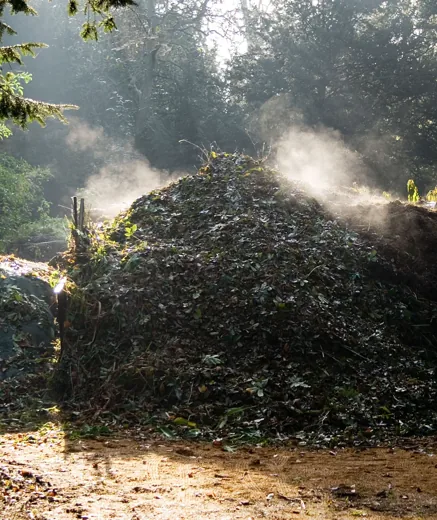
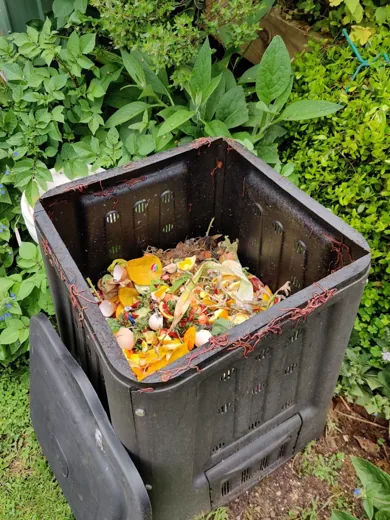
If you make compost at home, it needs a managed balance of carbon-rich browns, nitrogen-rich greens, water and air. The EPA suggests covering food scraps with dry material and describes the finished product as dark, crumbly and soil-smelling after curing. [1] Local collection or community composting may be an option if you lack space, but accepted materials and services vary. For pollinator planting, choose flowers suited to your location and conditions; the U.S. Fish and Wildlife Service encourages native pollinator gardens as one way people can help habitat. [3]
Make one practical trial
Choose a single task for your first peat-free season: perhaps a few containers of herbs, a tray of seedlings or one bed. Buy a mix labeled for that use, note how quickly it dries in your actual setting and follow the package guidance on feeding. Keep the plant species, pot size and exposure in mind when comparing results. If the mix dries too rapidly, a larger container or a more moisture-retentive product may help; if it stays soggy, inspect drainage and watering before adding anything.
This small trial gives you useful evidence without treating one disappointing pot as proof that all peat-free products fail. Keep the medium clean, use mature compost where it suits the task, and make watering decisions from the plant and soil in front of you. Your next choice is simple: select one planting job and test a peat-free product made for it.
Follow the evidence
Primary sources used in this story. Practical examples are illustrative unless a source states otherwise.
- US EPA: Composting at home ↗
- US EPA WaterSense: Outdoors ↗
- US Fish and Wildlife Service: Pollinators ↗
Read our editorial standards. Have a correction? Identify the article and relevant source in your feedback to the site owner.