tree day
Guide
How to reduce lawn area?
Reduce lawn gradually by identifying unused sections, preserving necessary paths and choosing replacements suited to local conditions. A staged conversion makes maintenance and plant performance easier to assess.
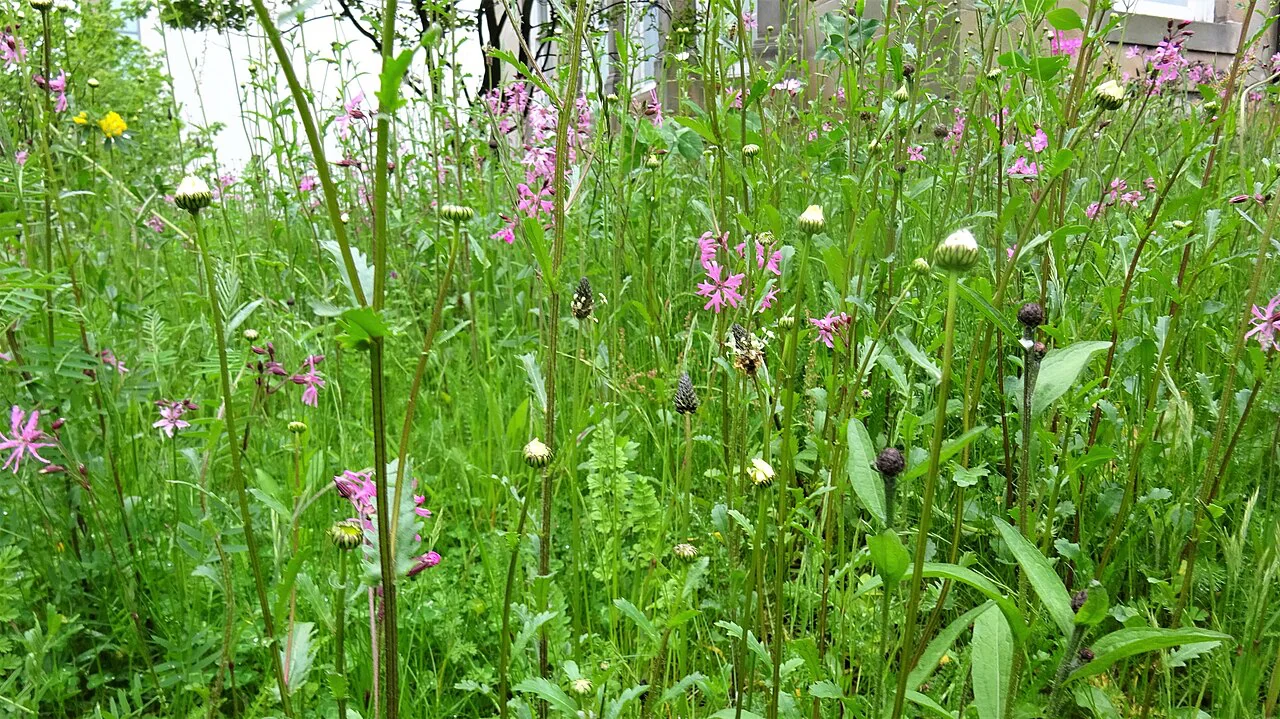
The easiest place to reduce lawn is usually the section you rarely use. Keep the surface needed for walking, play or seating, then convert a smaller unused area to a planting that fits its light, soil and water conditions. A staged change limits bare ground, makes the work more manageable and lets you learn how a replacement performs before removing more grass.
Map the lawn’s real jobs
Walk the yard and note where people actually travel, sit, play or need access. Preserve routes between doors, gates and useful outdoor spaces. Lawn that serves a clear purpose may be worth keeping, while awkward corners or strips that are difficult to mow can be candidates for conversion. Include practical constraints such as visibility at a driveway and space for bins or maintenance access.
Draw a simple sketch and mark sun, shade, drainage and irrigation coverage. These conditions help you choose what should replace the grass. A bed in full sun may need different plants from a shaded strip beneath trees; a low spot that stays wet needs a different plan again. Avoid selecting a replacement solely because it looks appealing in a photograph.
Choose a replacement for the exact spot
Possible replacements include planting beds, regionally appropriate native plants, a small pollinator garden or a path with planted edges. The choice should match the space’s use and local conditions. If pollinator habitat is a goal, the U.S. Fish and Wildlife Service identifies native pollinator gardens as one helpful action. [3] Regional guidance can help identify appropriate species for your climate, soil and exposure.
Water planning matters whether grass stays or not. EPA WaterSense recommends taking a holistic approach to landscape design and avoiding irrigation runoff. [2] That supports grouping plants by similar needs and considering whether existing irrigation should change, but it does not mean every alternative planting automatically uses less water. The plants, climate, soil and establishment period all affect demand.
Convert in stages and protect the soil
Start with one section small enough to prepare and maintain. Before digging, arrange utility location through the proper local service. Choose a method suited to the existing grass, site and replacement planting, and avoid leaving extensive bare soil exposed to erosion or weeds. Keep the boundary clear with an edge, path or other visible transition so the new area reads as intentional.
During establishment, monitor soil and plants rather than following a fixed watering timetable. EPA information notes that finished compost can improve soil structure and help retain moisture, though it is not required for every planting and is not a fix for every drainage issue. [1] Use amendments only when they suit the site. If plants fail repeatedly in one zone, reassess the species and conditions before adding more of the same.
Keep enough lawn, or remove more later
A reduced lawn can still be a lawn. Retaining a usable central patch while converting edges may preserve recreation space and shorten mowing routes. Alternatively, a narrow path through planting can maintain access without keeping every strip as turf. These choices depend on household routines, accessibility and the size and shape of the property.
A common mistake is removing a large area before deciding what will occupy it. Bare soil may invite weeds and create a new workload. Another is assuming a low-maintenance planting will require no attention: new plants need establishment care, and even mature beds need occasional weeding or pruning appropriate to their species. After the first converted section has grown through a season, review its upkeep and fit; use that experience to decide whether to keep the remaining lawn or convert another small patch.
Follow the evidence
Primary sources used in this story. Practical examples are illustrative unless a source states otherwise.
- US EPA: Composting at home ↗
- US EPA WaterSense: Outdoors ↗
- US Fish and Wildlife Service: Pollinators ↗
Read our editorial standards. Have a correction? Identify the article and relevant source in your feedback to the site owner.