tree day
Guide
How to support native bees?
Support native bees by growing locally appropriate flowers, keeping nesting opportunities where suitable, and minimizing unnecessary disturbance. Start with habitat that fits the species and conditions of your region.
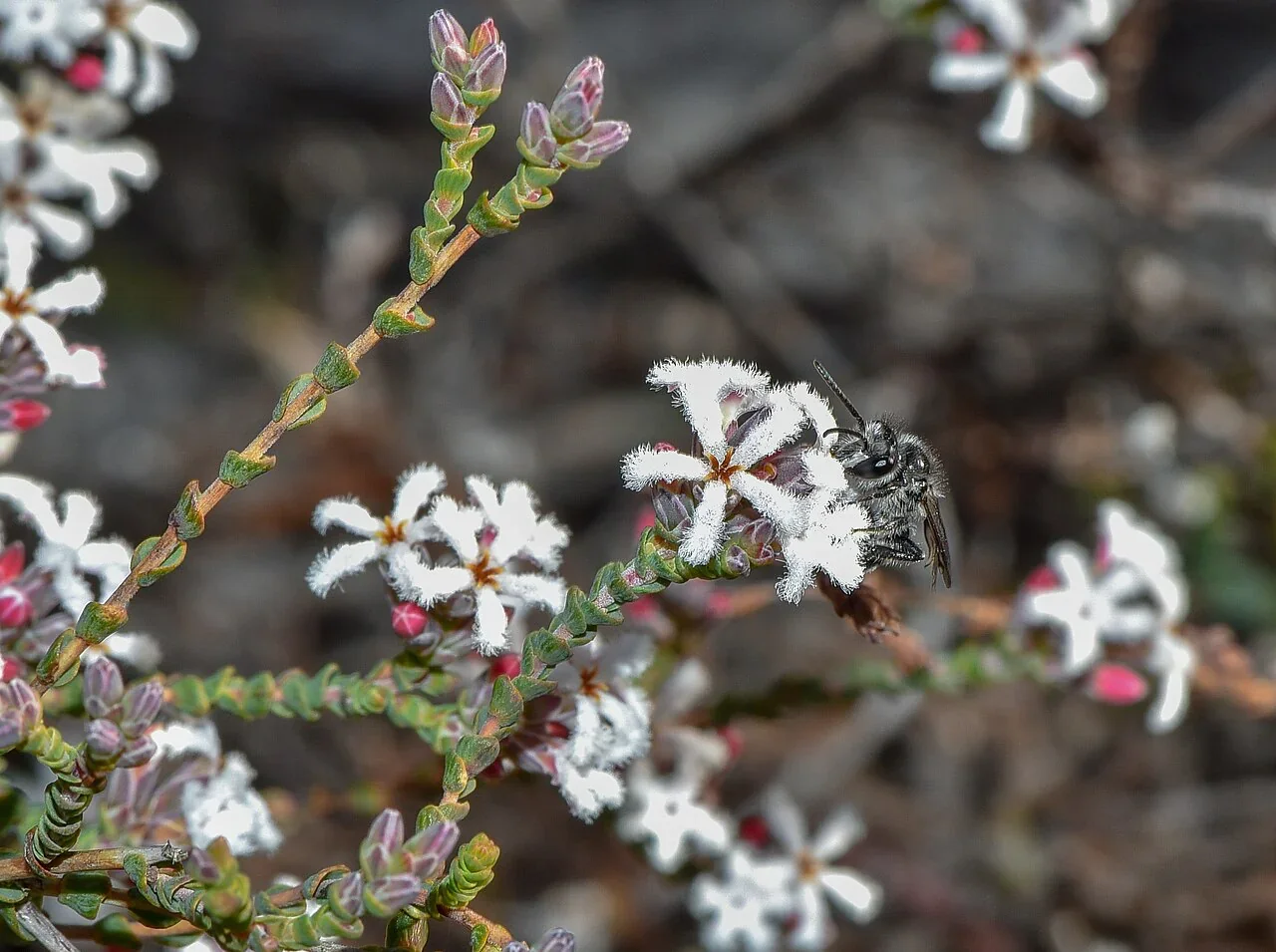
To support native bees, offer locally suitable flowers and preserve nesting habitat where it can safely remain. Many gardens focus on blooms alone, but different bees use different resources and nesting places. A practical first step is to find out which plants and habitat features are recommended for your region, then make a small change that fits the yard rather than installing a generic bee product.
Start with flowers that suit local bees
Native bees are not one uniform group. Their sizes, seasons, diets and nesting habits vary, so a plant or habitat feature useful to one species may not serve another. Regional guides can help identify flowering plants suited to local bees and your site. Choose a range of appropriate plants with overlapping bloom times, and check their sun, soil and moisture requirements before planting.
The U.S. Fish and Wildlife Service notes the value of pollinators and identifies native pollinator gardens as one action people can take to help. [3] That is a broad conservation rationale, not proof that a specific plant will attract a particular bee. A hypothetical small yard might start with a few local flowering plants near an existing garden, then expand after the gardener sees which species and bloom periods fit the place.
Nesting habitat can be easy to overlook
Some bees nest in soil; others use cavities or existing plant material. Because nesting habits differ, do not assume that every bee needs a purchased bee hotel. Leaving a suitable patch of ground undisturbed may matter more than adding a structure, depending on local species. Ask a regional extension or native bee resource what nesting conditions are relevant before changing a tidy lawn edge or placing a nesting block.
Where appropriate, avoid routinely disturbing the whole garden at once. Retaining some stems or bare, well-drained soil can provide habitat for some species, but the right approach depends on local conditions and household needs. Keep paths, play areas and accessibility in mind. A habitat patch can be modest and clearly edged so it is manageable and understood as intentional.
Reduce avoidable stress in the planting
Avoid applying pesticides as a routine response to every insect. If a pest problem requires action, identify it first and follow local advice and product directions; broad treatment can affect insects beyond the intended target. Keep flowers growing well by matching them to site conditions instead of overwatering or overfeeding. EPA WaterSense recommends designing landscapes holistically and avoiding irrigation runoff. [2] That supports careful planning, not a universal watering schedule.
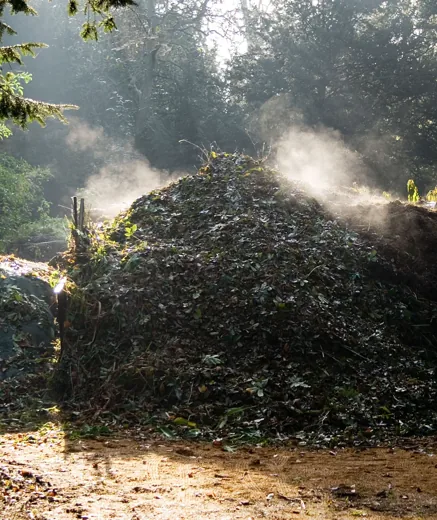
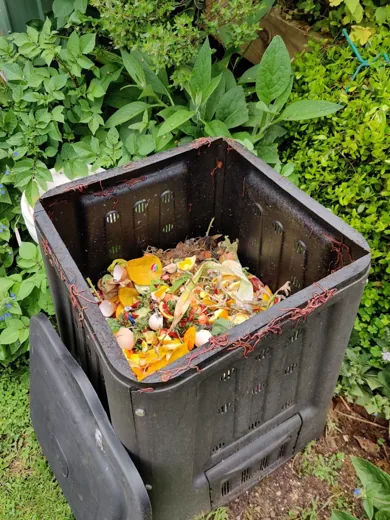
Compost can improve soil structure and help soil retain moisture, according to the EPA, but its use should reflect the site and planting needs. [1] Adding compost is not a substitute for selecting suitable plants or correcting a design problem. A common mistake is to assume that more inputs or more equipment automatically create better habitat. Often, a few well-chosen plants and a quieter patch of nesting ground are the more useful starting points.
Notice what is working, then adjust
Observe which flowers are used and when, whether the site stays too wet or dries out, and whether nesting areas remain undisturbed. These observations can reveal practical changes: extend a flowering period, replace plants poorly matched to the soil, or keep foot traffic away from a nesting patch. Avoid drawing big conclusions from one day; bee activity changes with weather and season.
A next step could be to consult a local native plant list and choose two or three species that fit your garden’s light and moisture. If you want to add nesting features, first check whether local bees use that type and how it should be maintained. Supporting native bees is a habitat process shaped by species and place, not a guaranteed result from one purchase.
Follow the evidence
Primary sources used in this story. Practical examples are illustrative unless a source states otherwise.
- US EPA: Composting at home ↗
- US EPA WaterSense: Outdoors ↗
- US Fish and Wildlife Service: Pollinators ↗
Read our editorial standards. Have a correction? Identify the article and relevant source in your feedback to the site owner.