tree day
Guide
How to garden on a balcony?
Balcony gardening begins with a realistic check of light, exposure, space and building rules. Choose a few containers and plants that suit those conditions, then check moisture often enough to respond to wind and sun.
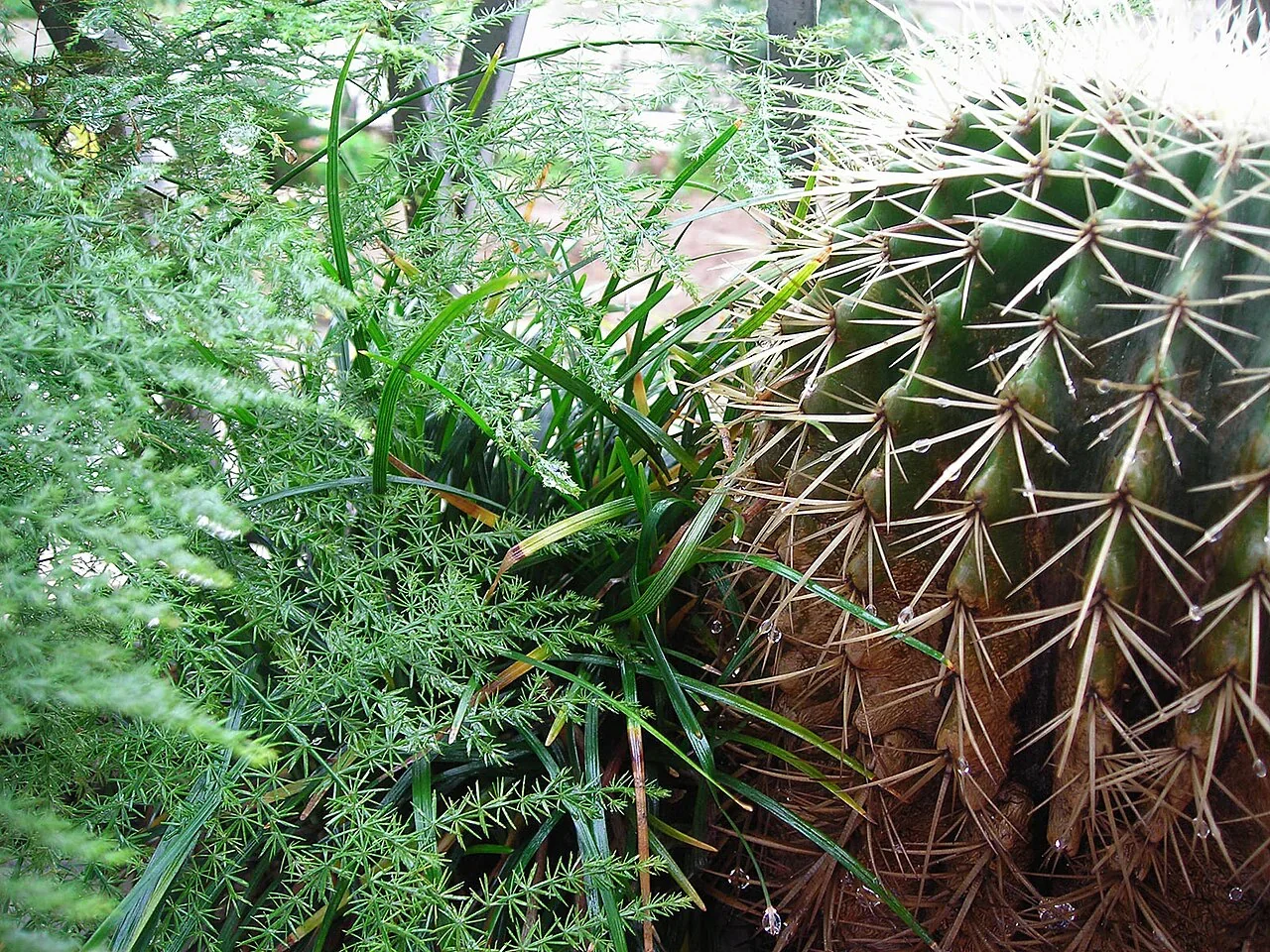
A balcony can grow herbs, flowers or vegetables if the containers and plants fit its light, exposure and safe usable space. The first decision is not which seeds to buy; it is how many pots the balcony can accommodate without blocking access or creating a water problem below. Start with a small group of containers, observe the conditions, and choose plants for the sun and wind the space actually receives.
Read the balcony before choosing plants
Observe how sunlight moves across the balcony and whether nearby walls or buildings cast shade. Note strong wind, reflected heat, roof overhangs and how rain reaches the space. A balcony that receives a few hours of morning sun is different from one exposed to afternoon heat. Plant labels and local growing guidance can help narrow choices, but the actual microclimate of a building can differ from the general conditions in a nearby garden.
Check building rules and physical limits before bringing in containers. Keep doors, drains and walkways clear, and avoid placing objects where they could fall or spill onto people below. If the balcony’s capacity or permitted setup is unclear, ask building management before adding heavy planters or shelves. Wet soil and large containers are heavier than they appear, and a safe arrangement is part of the gardening plan.
Choose containers with drainage
Use containers sized for the plant’s mature roots and fitted with drainage holes. A saucer can catch drips, but standing water should not be left to collect indefinitely. Lightweight containers may be easier to move, while larger pots usually give roots more room and can buffer moisture changes. Both choices involve trade-offs: the smaller pot needs closer attention, and a large filled pot can be difficult to relocate.
A useful first trial might be two medium containers: one for a compact herb suited to the balcony’s light and one for a flower selected for local conditions. This is explicitly a starting example, not a universal plant prescription. Check local planting guidance for species and season, and leave room to reach each pot for care. If you want to grow food, choose varieties and containers whose mature size fit the space rather than crowding many starts together.
Expect water to change quickly
Containers can dry faster than garden beds, especially when wind and sun reach them from several sides. Yet frequent watering without checking can leave roots waterlogged or cause runoff. Inspect the mix and plant, taking account of the container size, weather and species. Water so the root area is moistened while excess drains safely, and avoid a fixed schedule that ignores changing conditions.
EPA WaterSense guidance encourages landscape owners to learn when and how much to water so they can avoid wasteful runoff. [2] On a balcony, runoff also affects neighbors and building surfaces, so direct it into an appropriate catchment where permitted and keep drains clear. If a mix dries very quickly, consider a larger pot or a medium suited to containers; if it remains wet, check drainage and watering habits before adding more water.
Use a suitable growing medium
Choose a potting mix labeled for containers and the plants you intend to grow. Garden soil can be dense in a pot and may not drain as expected. Peat-free options are available, but products vary in ingredients and water-holding behavior, so follow the label and observe how the mix performs. Finished compost may help soil health, but it is an amendment rather than a guarantee of a complete container medium. The EPA identifies compost as a stable soil amendment that can improve soil health and provide nutrients. [1]
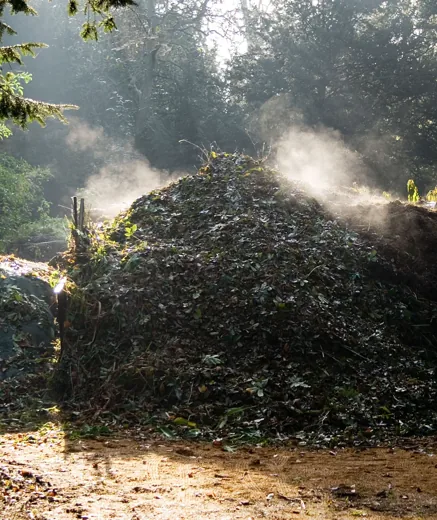
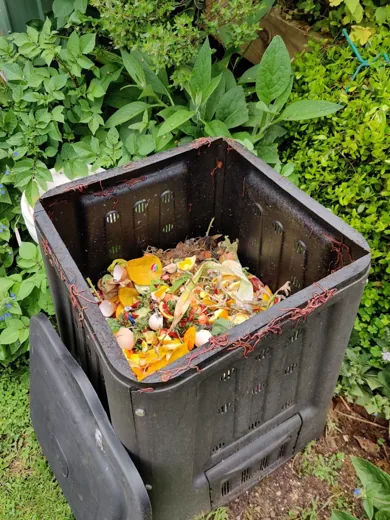
If you have access to finished compost, use it as directed for an appropriate planting task rather than filling every pot with it. Home compost requires managed decomposition; the EPA describes a balance of browns, greens, water and air. [1] In a small balcony garden, community compost collection may be more practical than maintaining a bin, depending on what is available locally. Check local service rules before putting material in a collection container.
Keep the first garden easy to tend
Place pots where you can reach them for watering and harvesting without leaning over railings. Group plants with similar light and moisture needs, but leave enough airflow and room for growth. A few well-kept containers are often more useful than a crowded display that is hard to water or inspect. If flowering plants are part of the plan, select locally suitable species; the Fish and Wildlife Service points to native pollinator gardens as a way to help habitat. [3]
For the next step, record the balcony’s sun exposure for several days, check building rules and select two or three containers that fit the space. Buy plants or seeds suited to those conditions, then track how quickly each pot dries before adding more. That small trial turns a balcony’s particular light and wind into useful gardening information.
Follow the evidence
Primary sources used in this story. Practical examples are illustrative unless a source states otherwise.
- US EPA: Composting at home ↗
- US EPA WaterSense: Outdoors ↗
- US Fish and Wildlife Service: Pollinators ↗
Read our editorial standards. Have a correction? Identify the article and relevant source in your feedback to the site owner.