tree day
Guide
Raised beds vs in ground gardening?
Raised beds can make soil easier to manage in a defined space, while in-ground gardens use the existing site and may require less construction. Compare drainage, soil condition, access, cost and watering before choosing.
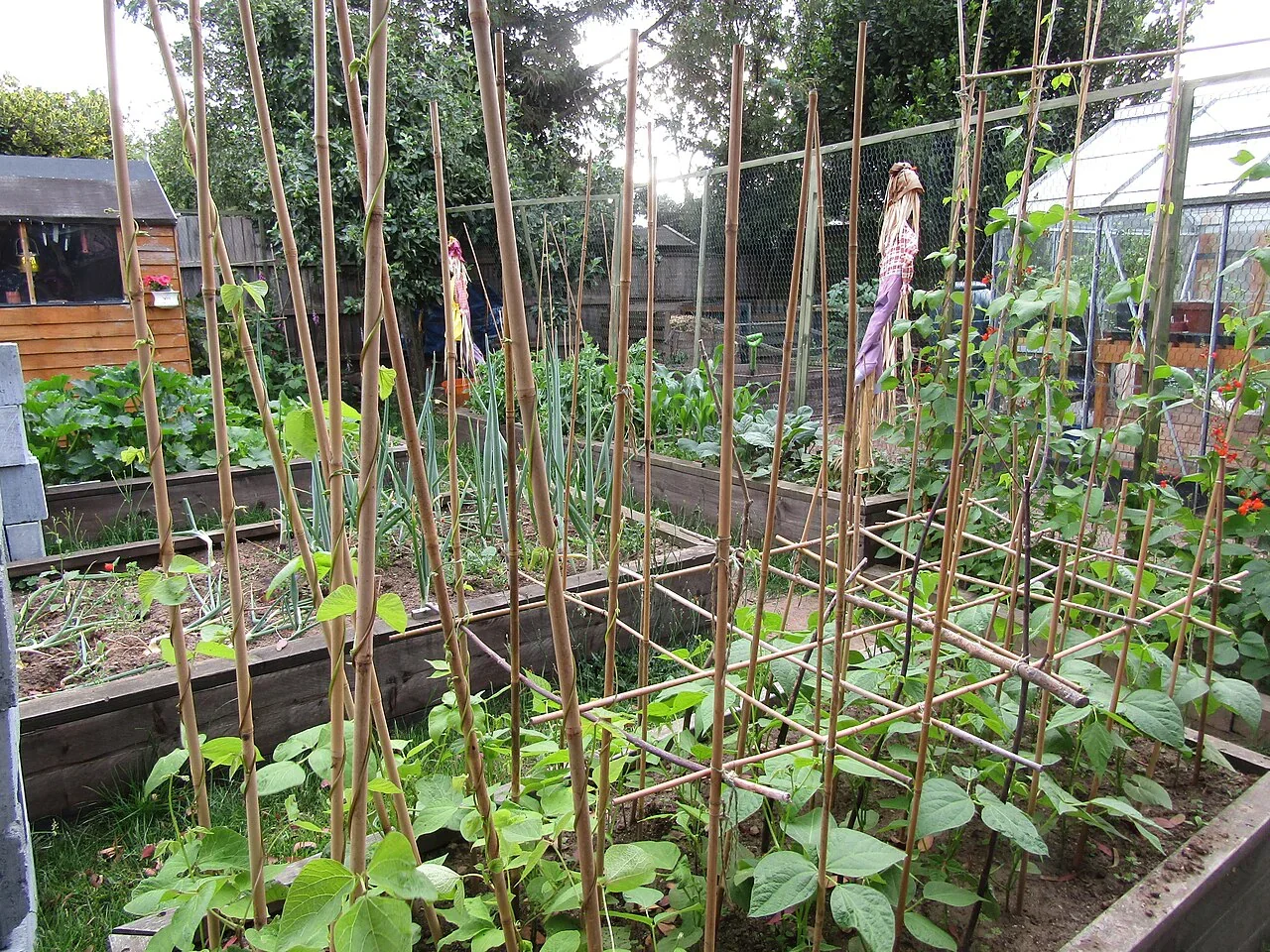
Choose a raised bed when a contained growing area, improved access or separation from poor existing soil solves a real problem; choose in-ground gardening when the site soil is workable and you want to use it directly. Neither method is automatically easier or more productive. The best choice depends on drainage, soil quality, materials, mobility, watering access and how much space you can maintain.
What a raised bed changes
A raised bed creates a defined volume of soil above the surrounding ground. It can make a garden easier to reach and gives the gardener control over the growing medium. That can help where native soil is shallow, compacted or otherwise unsuitable, but only if the bed is filled with appropriate material and has a reliable way to drain.
The contained volume also dries differently from ground soil. A shallow or narrow bed can warm and lose moisture more quickly, especially in exposed weather. EPA WaterSense encourages homeowners to consider timing and amount of watering to avoid runoff and maintain healthy plants; raised beds make checking soil moisture especially useful because conditions can shift within a small space. [2]
What in-ground gardening preserves
An in-ground plot uses the soil already present, so it avoids building walls and transporting a large volume of soil. If the soil drains, roots can extend beyond the amended surface layer, and the bed may connect naturally to existing garden paths and plantings. The trade-off is that improving poor soil can take time, and a site with contamination, persistent waterlogging or extensive roots may not be suitable without further assessment.
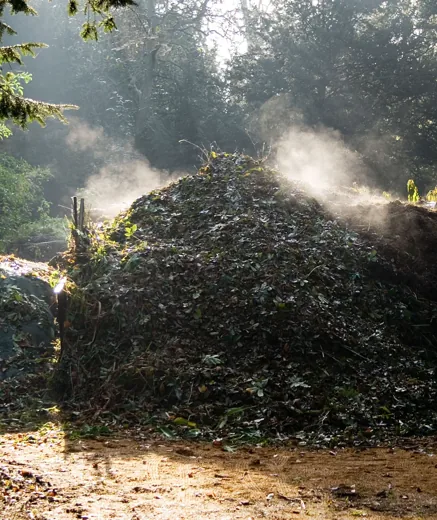
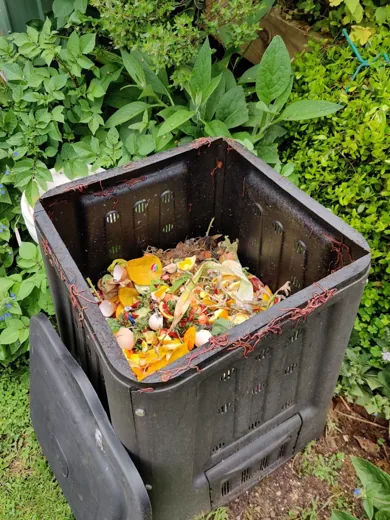
Before digging, arrange utility location through the appropriate local service. Then observe where rain collects, how much sun reaches the plot and whether the soil can be worked without being compacted. A simple test area can reveal more than committing the whole yard to a layout. Compost can be used to build soil organic matter, but it is an amendment, not a fix for every drainage or contamination problem. [1]
Access, cost and maintenance
A raised bed can reduce bending if its height and paths suit the gardener, but a tall bed needs more material and may be harder to fill. It also requires durable construction and maintenance. In-ground beds have lower structural demands, although paths may need edging and the soil can require more initial weed control or preparation.
Consider what is locally available and appropriate for food growing. Avoid treated or painted wood in a bed where soil contacts edible plants. If purchasing soil or compost, check product composition and suitability rather than choosing solely by label. A raised bed that is too wide to reach from its sides can recreate the access problem it was meant to solve.
A decision example
Imagine a renter with a small paved courtyard and no usable ground soil. A few containers or a compact raised planter could create a workable growing area, provided drainage is managed and the structure is allowed. By contrast, someone with a sunny, well-drained patch of existing soil may be able to begin an in-ground bed with less material and construction. These are hypothetical cases; actual property rules, soil history and climate can change the answer.
A third option is a hybrid: start with a small in-ground plot and use containers for crops needing different soil or for a place with limited access. The point is to solve the constraint you actually have. Raised beds do not inherently remove weeds, eliminate watering or guarantee higher yields.
Make the choice reversible
If soil quality is uncertain, test a small area or seek local extension guidance before building a large bed. If the concern is only compaction, careful preparation and organic matter may be enough. If access is the issue, design the paths and bed height around the person who will garden. If water is limited, place the garden where it is convenient to monitor and choose crops suited to the local season.
Pollinator-friendly flowers can fit around either type of vegetable garden, but species should match the region and site. The Fish and Wildlife Service identifies native pollinator gardens as a helpful conservation action. [3] Start with one plot or bed you can reach, water and maintain; after a season, let actual conditions guide whether you extend it, build up or keep gardening at ground level.
Follow the evidence
Primary sources used in this story. Practical examples are illustrative unless a source states otherwise.
- US EPA: Composting at home ↗
- US EPA WaterSense: Outdoors ↗
- US Fish and Wildlife Service: Pollinators ↗
Read our editorial standards. Have a correction? Identify the article and relevant source in your feedback to the site owner.