tree day
Guide
How to start a pollinator garden?
Start a pollinator garden by choosing a suitable sunny or shaded patch, planting regionally appropriate flowers, and reducing routine disturbance. A small, well-matched garden is a practical first step.
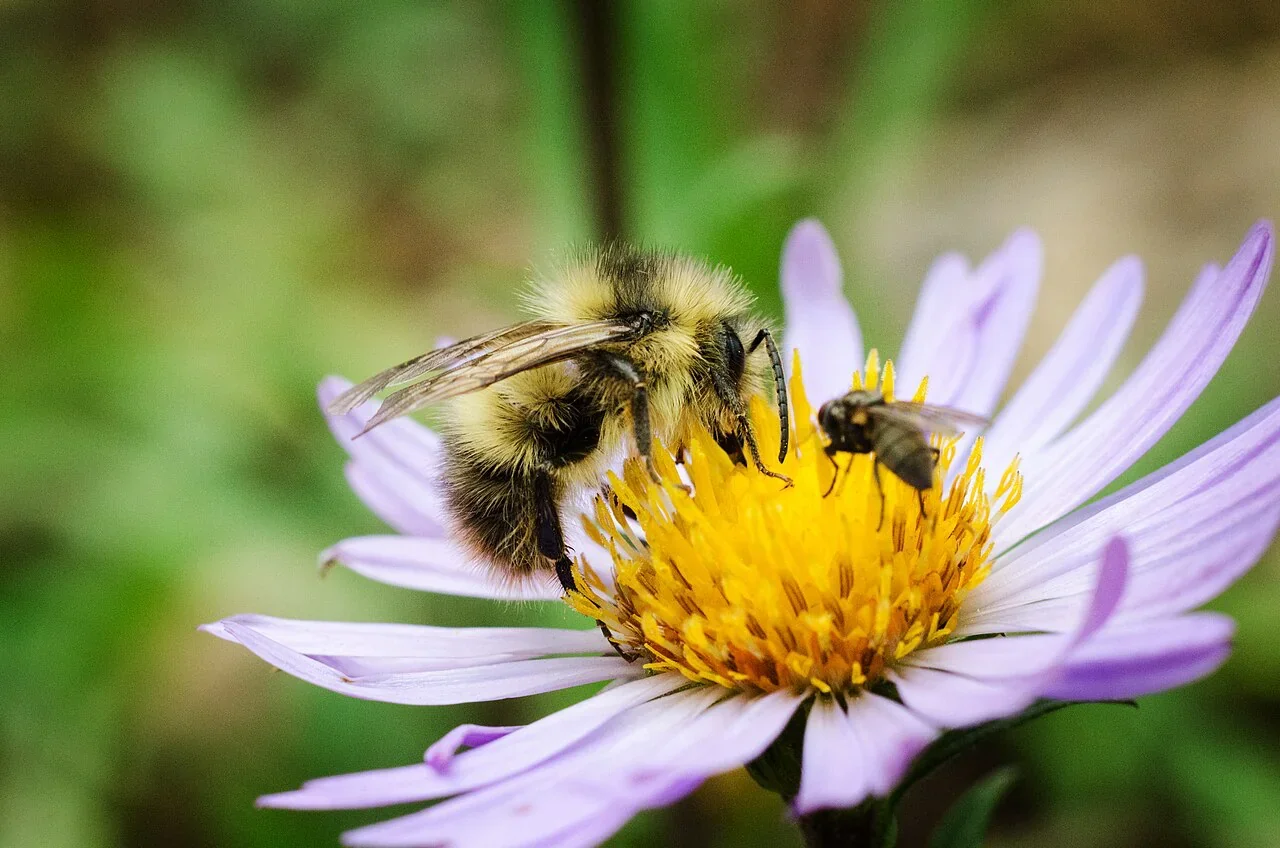
To start a pollinator garden, choose a patch you can maintain, find native flowering plants suited to its light and soil, and plant a mix that offers flowers across the growing season. You do not need to convert an entire yard. A small bed, container grouping or section of an existing border can become useful habitat when its plants fit local conditions and the garden is allowed to flower.
Choose a place you can care for
Look for a patch with conditions you can describe: how many hours of sun it receives, whether water lingers after rain, and how dry it becomes in summer. Those details guide plant choice more reliably than a generic “pollinator mix.” Consider visibility and access too. A bed beside a path may be easier to weed and observe than a distant corner, while a container may suit a balcony if it can hold plants adapted to its exposure.
Before removing lawn or digging, check for underground utilities through the appropriate local service. For an existing bed, note what already grows and whether irrigation reaches it. The EPA’s WaterSense guidance recommends a holistic approach to landscape design and avoiding wasteful runoff when watering; that supports planning plants around the site rather than trying to keep every species equally wet. [2]
Find plants that belong in your region
Use a regional native plant guide, local extension office or conservation group to identify plants suited to your area. “Native” refers to plants occurring naturally in a geographic region, but the relevant scale matters: a species native somewhere in the country may not suit your local climate or habitat. Check mature size, soil preference, moisture needs and bloom period before purchase. Avoid choosing a species solely because a label says it attracts pollinators.
The U.S. Fish and Wildlife Service describes pollinator habitat and native pollinator gardens as helpful conservation actions. [3] For a first planting, select several locally appropriate species with overlapping flowering periods, rather than relying on one showy plant that blooms briefly. A hypothetical small bed could combine spring, summer and late-season flowers, with foliage plants or grasses among them for structure. Which species fill those roles depends on region, light and soil.
Prepare soil and plant for establishment
Remove competing vegetation in a way that suits the site and your capacity. A small bed can be prepared by removing turf and roots carefully; larger areas may need a staged approach to avoid leaving bare soil for long. If you dig, first arrange utility location. Keep the soil covered with plants or an appropriate mulch while the garden establishes, taking care not to bury crowns or stems.
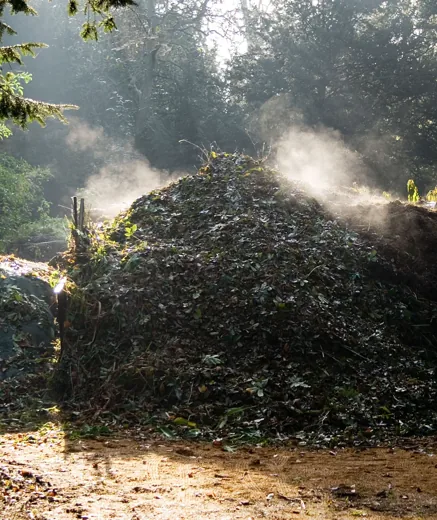
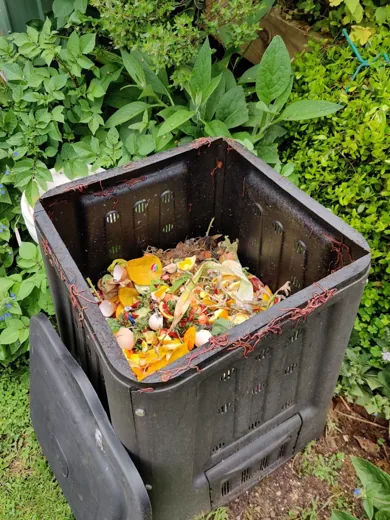
Finished compost can add organic matter, improve soil structure and help soil retain moisture, the EPA explains. [1] It should be used as a soil amendment where appropriate, not treated as a universal fix for compacted, poorly drained or otherwise unsuitable soil. Avoid adding it automatically if a local planting guide or site conditions point to another approach. During establishment, check plants and soil rather than following a fixed watering calendar; climate, rainfall, container size and species all affect need.
Leave flowers, then learn from the first season
As plants grow, allow flowering stems to complete their bloom where practical and avoid unnecessary broad-spectrum pesticide use. Leave some stems or seed heads standing through colder months if they fit the garden and local conditions; tidy the bed selectively when new growth begins. A less formal appearance may be part of the design, so a clear edge or small sign can help neighbors understand that it is intentionally planted.
A common mistake is expecting immediate coverage. Perennials may take time to establish, and first-year plants can look sparse. Weeds can fill gaps, so keep an eye on the bed and add suitable plants where coverage is thin. The next useful action is simple: measure the patch, record sun and soil moisture after rain, and take that information to a local native plant list before buying seed or plants.
Follow the evidence
Primary sources used in this story. Practical examples are illustrative unless a source states otherwise.
- US EPA: Composting at home ↗
- US EPA WaterSense: Outdoors ↗
- US Fish and Wildlife Service: Pollinators ↗
Read our editorial standards. Have a correction? Identify the article and relevant source in your feedback to the site owner.