tree day
Guide
How to test soil drainage?
Use a simple observation after rain or a small test hole to see how quickly water leaves a garden spot, while recognizing what the result can and cannot tell you.
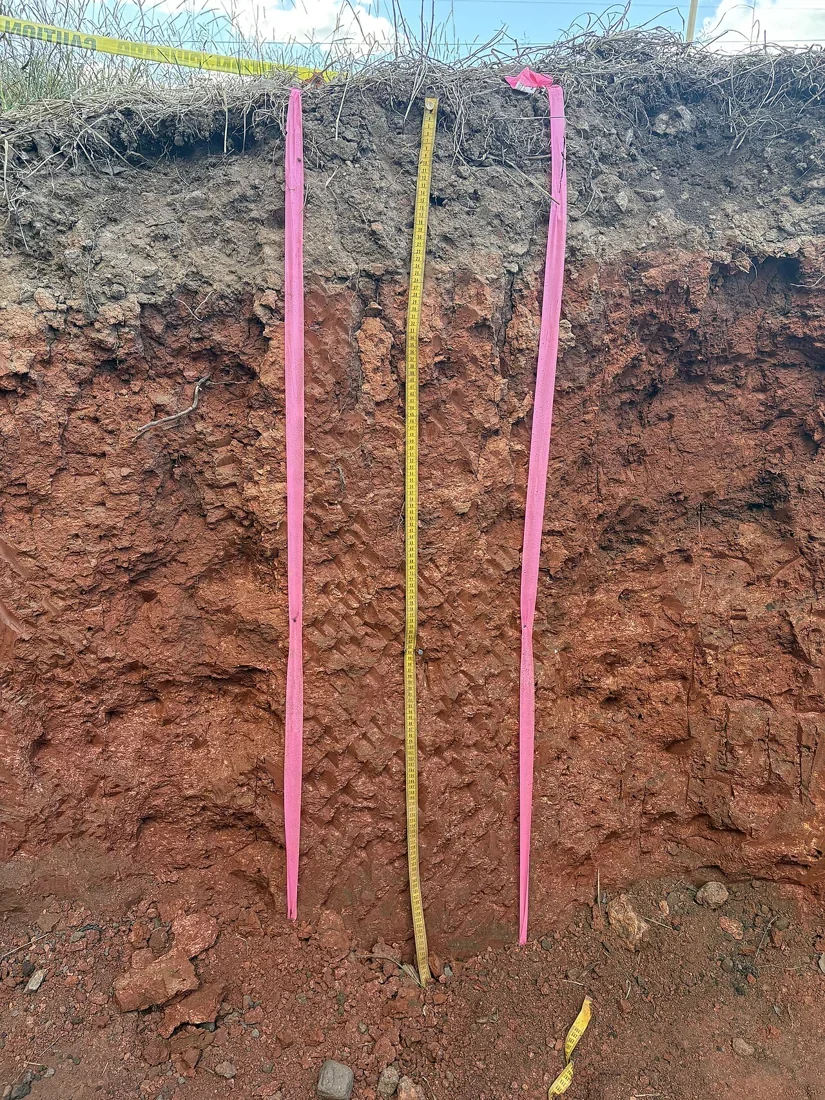
To test garden drainage, watch how the soil handles water after rain or a thorough watering, then compare a small test hole in the exact spot you plan to plant. Water that lingers can signal slow drainage, but a single observation is not a full soil diagnosis. Recent rain, compacted ground, slope and hidden layers can all affect what you see.
Start with the site, not a number
Notice where puddles form, how long they remain, and whether the area is lower than nearby ground. Check the same spot after more than one ordinary rain if possible. A shallow puddle on a compacted path does not necessarily describe the soil in a nearby bed, and a dry surface does not prove that deeper soil drains well.
Look for signs that plants have struggled in wet ground, such as persistently soggy soil or roots that appear stressed. These clues are suggestive rather than conclusive: watering practices, plant choice and disease can produce similar symptoms. The goal at this stage is to identify where water moves slowly enough to affect planting.
Use a small hole to compare locations
Dig a narrow hole in the proposed planting area, avoiding buried services and checking utility-location requirements before digging. Make it deep enough to observe more than the surface layer, but do not create a large excavation. Fill it with water once and let the surrounding soil absorb it; this first filling helps reveal whether the ground is already very dry or unusually compacted.
Refill the hole and watch what happens over time. Record whether the water level falls steadily, barely changes, or disappears quickly. There is no single universal cutoff that determines what every plant or garden needs. Compare nearby positions under similar conditions instead: a bed that drains differently from the adjoining lawn may have a different soil layer or history.
Read the result in context
If water remains for a long time, check whether the area is naturally low, heavily compacted, or receiving runoff from a roof or slope. If it vanishes quickly, the surface may be porous or the hole may have intersected a coarse layer. Neither result alone explains what happens throughout the entire root zone.
For example, imagine a vegetable bed beside a compacted walkway. A test in the walkway may hold water while a bed a few feet away drains more readily. Testing only the walkway and concluding the whole yard is poorly drained could lead to unnecessary work. Repeat observations at the actual planting spot and after conditions have changed.
Use drainage information to choose plants and care
Plants differ in how much moisture their roots tolerate. A site that remains damp may suit plants adapted to those conditions, while plants needing well-drained soil may struggle. Use local horticultural guidance for species and site choices rather than trying to force every area into one ideal condition.
If the problem is surface runoff, improving cover and soil structure may help water enter rather than carry soil away. The EPA notes that finished compost can improve soil structure and help soil absorb and retain water [1]. That does not mean compost can fix a high water table or a blocked outlet, so distinguish slow surface infiltration from deeper drainage problems.
Decide whether more investigation is needed
Repeat the test in a second location if the first result seems inconsistent with what you observe in the garden. If water stands near a foundation, enters a building, or creates recurring erosion, the issue may need site-specific professional advice. Do not redirect runoff toward neighbors or structures without understanding where it will go.
Your next step is to test the exact bed, note the weather and compare a nearby spot before choosing plants or changing the soil.
Follow the evidence
Primary sources used in this story. Practical examples are illustrative unless a source states otherwise.
Read our editorial standards. Have a correction? Identify the article and relevant source in your feedback to the site owner.