tree day
Guide
How to mulch a vegetable garden?
Choose a suitable mulch for the crop and season, apply it without smothering plants, and watch how it affects soil moisture, weeds and young seedlings.
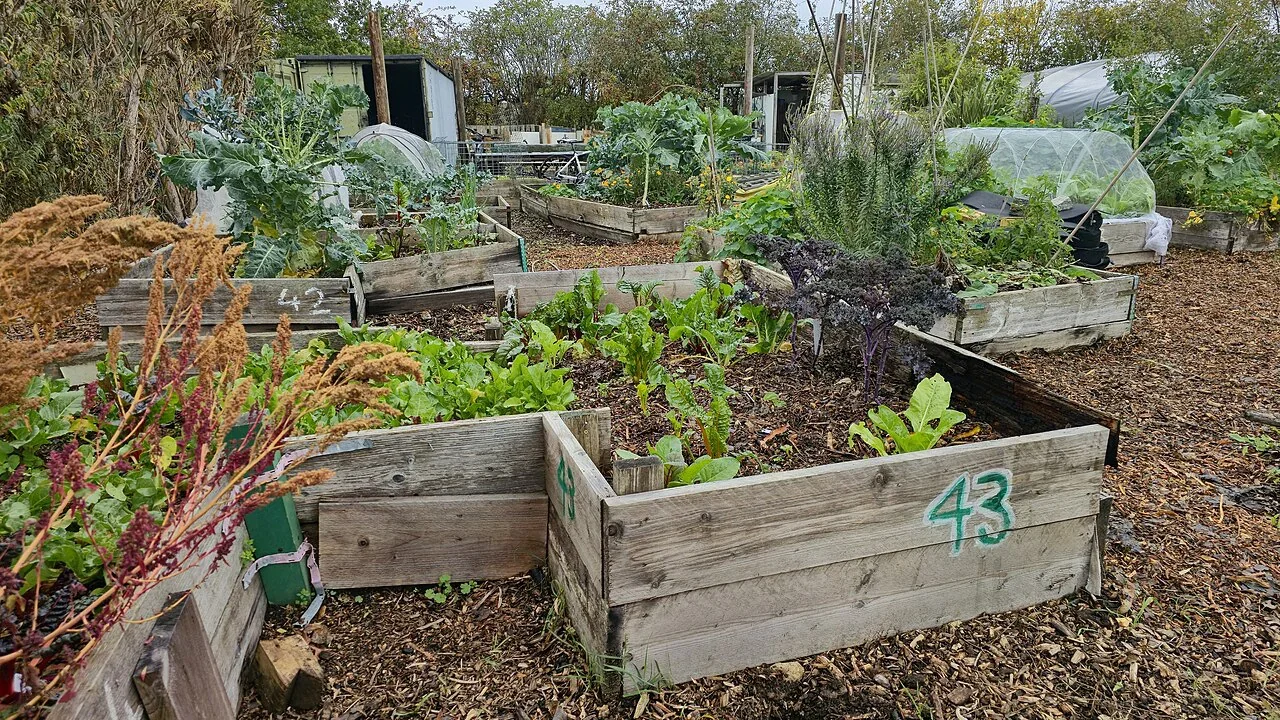
Mulch a vegetable garden by covering exposed soil with a suitable material while leaving air and space around plant stems. The purpose is to protect the soil surface and moderate moisture loss; the best mulch depends on whether crops are seedlings or established plants, and on local weather. A layer that helps one bed can shade out another crop if it is applied too early or too heavily.
Match the cover to the crop stage
Young seedlings need light and room to emerge, so wait until they are established before covering closely around them. Larger transplants and mature crops can tolerate a more continuous cover, provided stems are not buried. Check the crop’s growing guidance for special needs, especially for plants whose soil must warm before active growth.
For example, a newly seeded row can be left open while the spaces between established transplants receive a light cover. This limits bare ground without blocking emergence. If the mulch is coarse or likely to shift, keep it away from delicate stems and replace it only where soil becomes exposed.
Select a material you can manage
Leaves, straw, grass clippings and finished compost are examples of organic materials gardeners may use, but cleanliness and local conditions matter. Use material free of weed seeds and avoid clippings from lawns treated with herbicides unless the product guidance confirms they are suitable. Wet, matted material can block air and water movement, while a loose cover can blow away.
Finished compost can be used as a mulch as well as a soil amendment; the EPA describes its use on garden beds and notes its potential to help soil retain moisture and nutrients [1]. It is different from fresh kitchen scraps or unfinished compost. If using a material collected elsewhere, check for contamination and whether it is appropriate for food-growing beds.
Cover soil without burying plants
Spread mulch evenly over exposed soil rather than packing it against stems. Leave a small open ring around each plant base so moisture and air are not trapped against tender tissue. Avoid making an unnecessarily thick layer: it can keep soil too cool or wet and make it harder to see pests, seedlings or irrigation problems.
A practical way to begin is to cover one section lightly, then check after watering. The surface should still receive water rather than shed it, and the mulch should not form a dense mat. Add more only where the cover has thinned or where bare soil remains vulnerable.
Use mulch to support water management
A soil cover can slow evaporation, but it does not replace checking moisture below the surface. In a dry spell, feel the soil near the roots and water when needed; a damp-looking mulch can hide dry soil underneath. In a wet period, check that the bed drains and that the cover is not staying saturated.
EPA WaterSense recommends a holistic approach to water-smart landscaping and advises attention to when and how much to water to avoid runoff [2]. In a vegetable bed, that means pairing mulch with watering that reaches roots without washing soil away. A mulch layer is useful when it helps the bed hold moisture, not when it conceals poor drainage.
Refresh as the garden changes
Organic mulches break down and may need replenishing. As they decompose, some materials can contribute organic matter, but the rate depends on the material and conditions. Pull back old cover before planting a new row, and check that it has not become a compacted layer that blocks water or air.
Your next step is to cover a small area around established crops, leave seedlings and stems clear, and check the soil beneath after the next watering.
Follow the evidence
Primary sources used in this story. Practical examples are illustrative unless a source states otherwise.
Read our editorial standards. Have a correction? Identify the article and relevant source in your feedback to the site owner.