tree day
Guide
Container gardening for beginners?
Container gardening works when the pot, growing medium, drainage, light and watering routine suit the plant. Start with a few containers near a convenient water source and check moisture as conditions change.
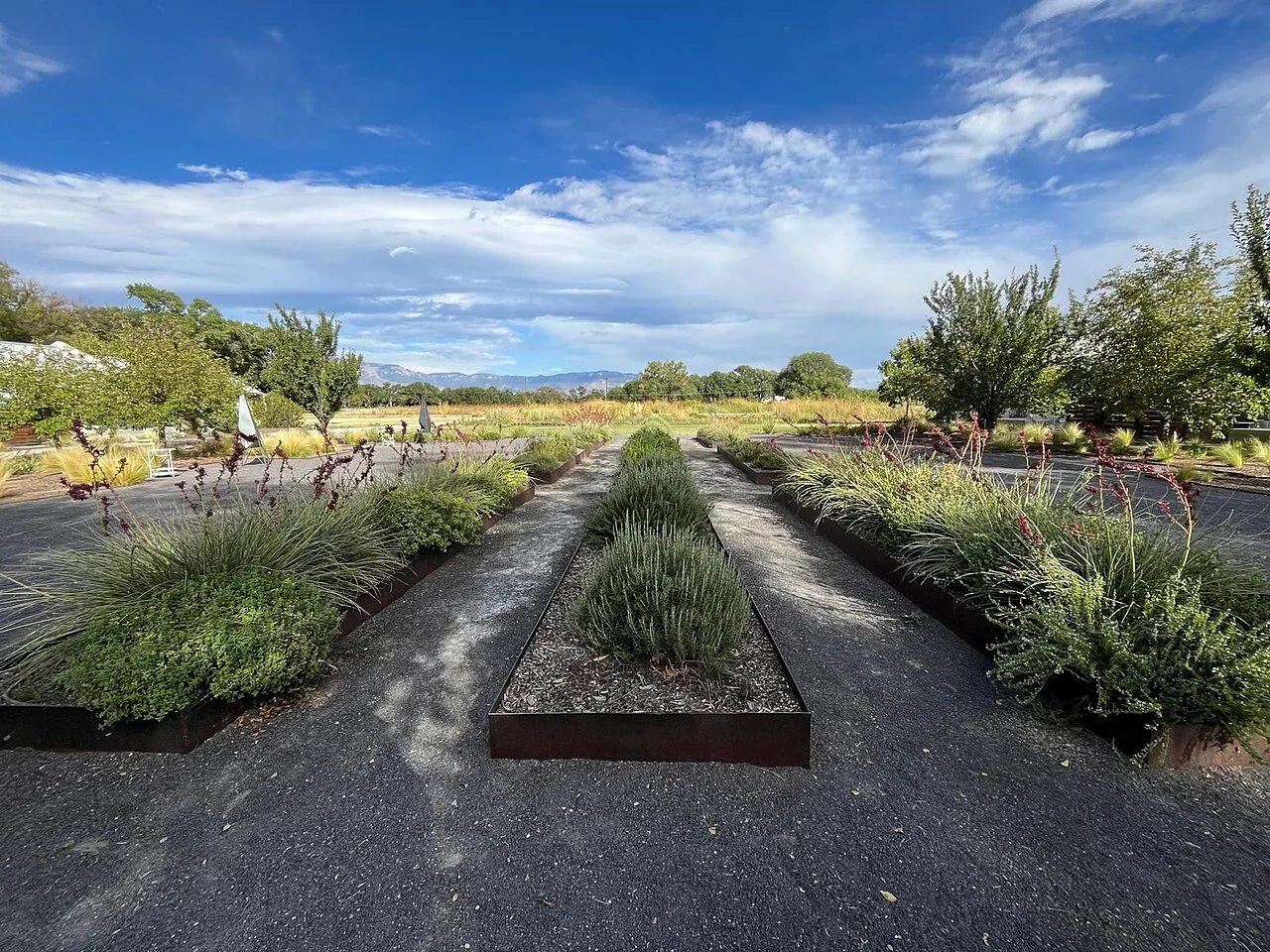
For a first container garden, choose a few pots with drainage holes, place them where the intended plants receive suitable light, and use a growing medium made for containers. Containers are flexible and fit patios, balconies and small yards, but their limited soil volume can dry or heat more quickly than garden beds. Begin with plants suited to your conditions, then learn how often each container needs attention.
Match pot and plant
The container needs enough room for the plant’s mature roots and stability, not just space for a seedling. A small pot may be easy to carry but can restrict roots and dry rapidly. Larger containers hold more growing medium and usually buffer moisture changes better, though they are heavier and harder to move once filled. Choose a pot size based on the crop’s needs and the space available.
Drainage holes let excess water escape. Without them, a pot can stay saturated and deprive roots of air. Use a saucer only if it does not leave roots standing in excess water. For balcony or deck gardening, consider weight when wet and make sure runoff will not create a problem below.
Use a suitable growing medium
Garden soil alone is often dense for pots and may drain poorly in a confined volume. Choose a container growing mix suited to the plants, and avoid filling a large pot with rocks at the bottom as a substitute for drainage. Finished compost can be included as an amendment where appropriate, but it should not automatically replace the structured medium that keeps a container aerated. EPA lists container gardens among uses for finished compost. [1]
A practical example is a pot of herbs on a sunny patio. The gardener could select a container large enough for the chosen herbs, fill it with a suitable potting mix, and add a modest amount of finished compost if the product and plant use are appropriate. The herbs’ individual light and spacing needs still matter; a single pot does not make different species interchangeable.
Water by checking, not by calendar
Container plants can dry faster than in-ground plants because there is less soil volume and more exposed surface. Sun, wind, pot material, plant size and weather all affect moisture loss. Check the growing medium with a finger or another simple observation and water when the plant and medium indicate a need, allowing excess to drain. A fixed schedule cannot account for all these differences.
EPA WaterSense advises considering when and how much to water to avoid runoff and support healthy landscapes. For containers, apply water in a way that reaches the root zone without overflowing onto paths or neighbors’ spaces. If water runs straight through a very dry mix, apply it gradually and check whether the medium is absorbing it. [2]
Place pots with light and weather in mind
Observe the site before planting. A sunny wall can reflect heat, while a balcony railing may expose pots to wind. The light reaching a container can change over the day and across seasons. Choose plants for the conditions actually present, and reposition portable pots if the site proves too hot, shaded or windy.
Containers can support vegetables, herbs and flowers, but crowded planting makes it harder to manage roots and airflow. Follow spacing guidance for the chosen crop and leave room to harvest. If adding flowers for pollinators, favor species suited to the local region; the Fish and Wildlife Service describes native pollinator gardens as one way people can help provide habitat. [3]
Avoid the common beginner traps
One trap is choosing a decorative pot without checking drainage or volume. Another is assuming more water is always safer: constantly wet roots can suffer, while a small pot in hot wind can dry quickly. Pay attention to the medium, not just the surface, and adjust as the weather changes. A light layer of mulch on top may reduce exposed soil, but it does not eliminate moisture checks.
A second trap is planting too many crops at once. Start with a few containers that are easy to reach and water, and keep notes on placement and how quickly each dries. If the plants struggle, change one factor at a time: light, pot size, medium or watering. The next practical step is to select one or two crops you enjoy, then choose containers and positions around their needs.
Follow the evidence
Primary sources used in this story. Practical examples are illustrative unless a source states otherwise.
- US EPA: Composting at home ↗
- US EPA WaterSense: Outdoors ↗
- US Fish and Wildlife Service: Pollinators ↗
Read our editorial standards. Have a correction? Identify the article and relevant source in your feedback to the site owner.