tree day
Guide
How to improve garden soil?
Improve garden soil by building organic matter gradually, protecting its surface, and matching amendments to what the bed and plants actually need.
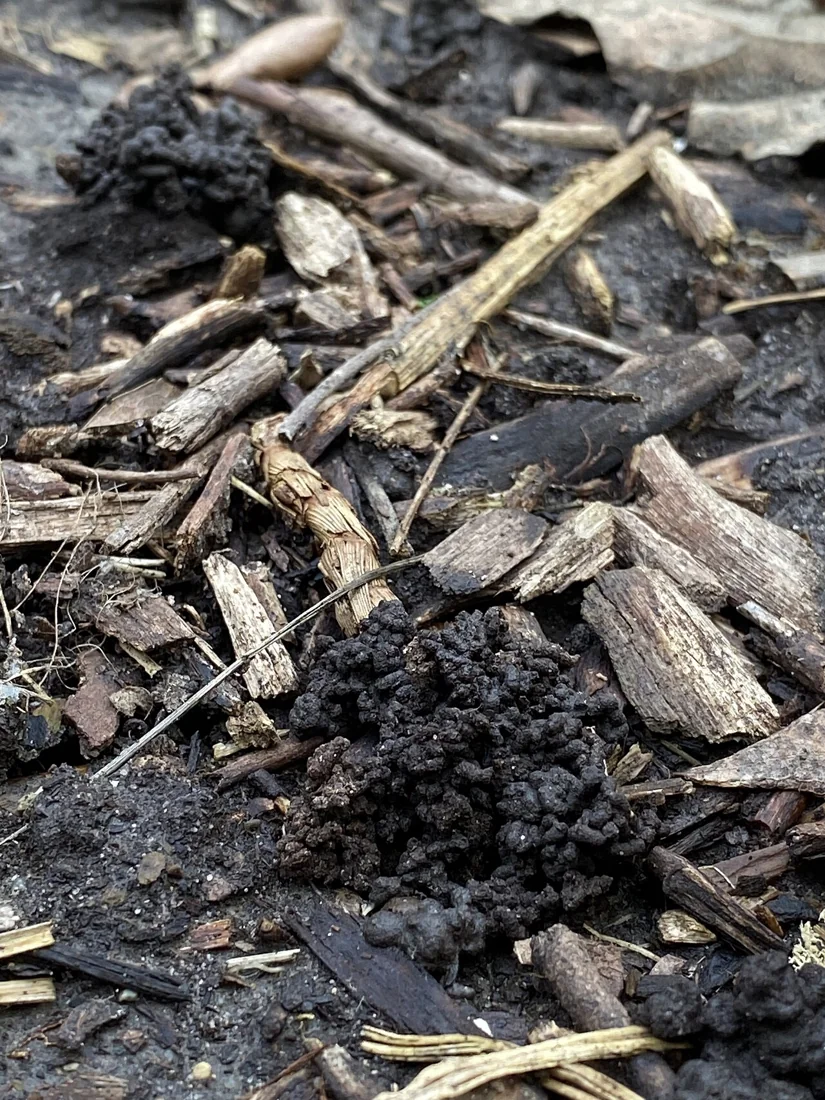
To improve garden soil, add suitable organic matter gradually, keep the surface protected, and first identify the problem you are trying to solve. Soil that dries too fast, stays soggy, or grows poorly may need different care. A large dose of fertilizer is not a universal repair: soil structure, water movement and the needs of the plants all shape what will help.
Notice how the bed behaves
Start with observations across ordinary weather. Does water soak in, run off, or remain in puddles? Does the soil form a hard crust after drying, or crumble when handled? Do plants struggle across the whole bed or only in one patch? A history of poor growth is a clue, but not a diagnosis: shade, pests, crowding and unsuitable plant choices can look like soil trouble.
If you need to make decisions based on nutrient levels or acidity, use a soil test suited to your region and intended crop. Avoid adding lime, fertilizer or other targeted amendments by guesswork. An amendment that addresses one measured issue may create another if the soil did not need it.
Add organic matter with a purpose
Finished compost is a soil amendment that adds organic matter and can improve soil health, plant growth, water retention and nutrient retention. The EPA describes compost as a stable product of managed decomposition and explains that it can be incorporated into beds or spread on the surface as mulch [1]. These benefits develop through the soil’s changing structure and biology; compost is not an instant cure for every plant problem.
For a vegetable bed, imagine a patch that crusts and dries quickly after rain. A thin, even addition of finished compost worked into the surface layer may help the bed hold moisture and become easier to work. Observe the result before adding more. Compost quality and maturity matter; unfinished material may continue breaking down where plants are growing.
Protect the surface between crops
Bare soil is more exposed to raindrop impact, drying and erosion. Cover it with suitable mulch or living plants when the bed is not in use, taking care to leave space around plant stems. The right cover depends on the crop, season and local conditions: a thick layer that suits an established planting may smother seedlings or keep a cool-season bed too damp.
Compost can serve as surface mulch as well as an amendment, according to EPA guidance [1]. Other organic covers may also be appropriate, but use clean materials and consider whether they could carry weed seeds, disease or unwanted chemicals. Keep the cover in place as it settles, rather than assuming one application will remain effective all season.
Work gently and avoid piling on inputs
Repeatedly turning or working wet soil can damage its structure and leave it compacted. Wait until the bed is workable: soil should not smear heavily or form a sticky mass when handled. Where practical, add compost at the surface and let roots and soil organisms help incorporate organic matter over time.
More is not always better. Excess compost or fertilizer can upset nutrient balance, and organic matter does not correct poor drainage by itself. If water stands for long periods, investigate the site, soil layers and outlet for water before adding more material. If the bed is dry, improving cover and planting choices may matter as much as an amendment.
Choose one change and reassess
Keep a simple record of the bed’s condition, what you added and how it responded through rain and dry spells. Make one modest change at a time so you can tell whether it helped. If a crop continues to fail, consider light, irrigation, pests and plant suitability alongside soil condition.
Your next step is to inspect the bed after watering or rain, then decide whether a soil test, a small compost addition or better surface cover addresses the clearest problem.
Follow the evidence
Primary sources used in this story. Practical examples are illustrative unless a source states otherwise.
Read our editorial standards. Have a correction? Identify the article and relevant source in your feedback to the site owner.