tree day
Guide
Compost vs mulch?
Compost and mulch can both improve a garden, but they do different jobs. Learn where each belongs, when compost can serve as mulch, and how to choose for your soil, plants and available materials.
Compost feeds and improves soil; mulch covers its surface. That distinction is the quickest way to decide which one a garden bed needs. Compost is decomposed organic matter, while mulch is a layer placed on top to moderate soil conditions and suppress weeds. Some materials, including finished compost, can do both jobs, but choosing by function helps avoid burying plant crowns or spending valuable compost where a simpler cover would work.
Choose by the job in front of you
Use compost when the soil itself needs organic matter or a gentle source of nutrients. Finished compost can be mixed into the upper soil before planting, or spread as a surface layer around established plants. Its stable organic matter can help soil retain moisture and nutrients and support plant growth. The effect depends on the soil, the compost and the plant; it is not a substitute for understanding what a particular crop needs. [1]
Use mulch when the immediate goal is to cover exposed soil. A surface layer can reduce the amount of bare ground exposed to sun and rain, and can make it harder for small weeds to establish. Organic mulches also break down gradually, but their main job is surface protection rather than supplying a measured dose of nutrients. The right material depends on the site: dry leaves, wood chips, straw and other plant materials behave differently and may suit different beds.
How the two materials behave
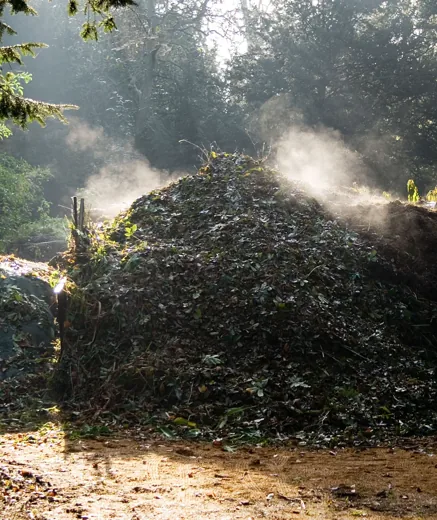
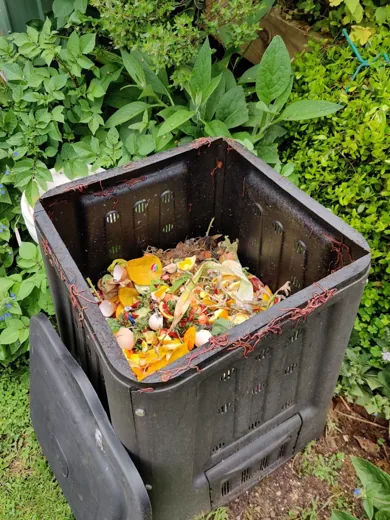
Compost is the result of managed decomposition. Microorganisms break down organic materials with oxygen, water and a balance of carbon-rich browns and nitrogen-rich greens. When mature, it is usually dark and crumbly, with no recognizable food scraps. In a garden, it can become part of the soil rather than remaining a distinct cover. [1]
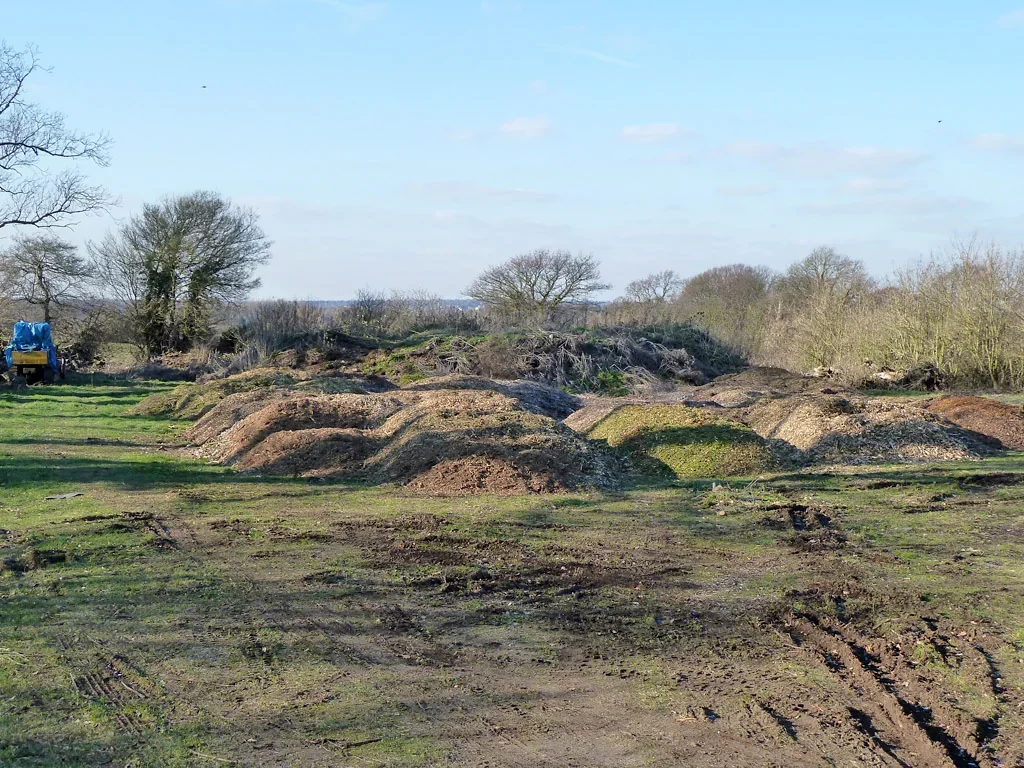
Mulch remains recognizable for a time. A layer of leaves or chips sits above the soil, where it buffers the surface. As it decomposes, some of that material eventually becomes organic matter, but the timing and texture vary. If you need a surface to stay covered, expect to inspect it and replenish it as it thins; do not assume it will permanently solve weeds or watering needs.
A bed that needs both
Imagine a vegetable bed with compacted, low-organic-matter soil and patches of bare surface between plants. Before planting, the gardener could add finished compost to the soil according to the bed’s condition, then place an appropriate mulch over the exposed surface once seedlings are established. The compost addresses the soil; the mulch protects the space above it. Keep either material away from tender stems and crowns so they are not smothered.
If the soil is already productive and the main nuisance is evaporation or exposed ground, a separate mulch may be enough. Conversely, a thin application of compost can serve as a surface mulch in some beds, especially where a fine, dark finish is wanted. It will not behave exactly like a coarser cover: it can blend into the soil sooner and may need replenishing.
Avoid the wrong material in the wrong place
Fresh wood chips are a surface cover, not a ready-made soil amendment to dig through a vegetable bed. Mixing coarse, undecomposed material into soil can interfere with planting and decomposition near roots. Use mature compost for soil improvement, and reserve coarse organic materials for the surface unless you have a specific reason to incorporate them.
A common mistake is piling any organic material against stems or tree trunks. Leave a clear gap so moisture does not stay trapped against plant tissue. Another is treating mulch as a fixed watering plan. Soil texture, rainfall, exposure and plant needs all affect moisture; check the soil rather than following a universal schedule. WaterSense recommends considering when and how much to water to avoid runoff and maintain a healthy landscape. [2]
Put the choice to work
For a new bed, first identify whether the problem is poor soil, exposed soil, or both. Use finished compost where soil needs organic matter, then choose a surface cover suited to the plants and local conditions. In a pollinator planting, make space for the plants themselves and choose species suited to the region; the Fish and Wildlife Service identifies native pollinator gardens as one way people can help provide habitat. [3]
For an established bed, begin with a small area and observe how the surface and plants respond through a dry spell and a rain. If you are unsure whether your compost is mature, let it finish decomposing before putting it around sensitive plants. The useful next step is to name the job first: amend the soil with compost, cover the surface with mulch, or combine the two where each has a clear purpose.
Follow the evidence
Primary sources used in this story. Practical examples are illustrative unless a source states otherwise.
- US EPA: Composting at home ↗
- US EPA WaterSense: Outdoors ↗
- US Fish and Wildlife Service: Pollinators ↗
Read our editorial standards. Have a correction? Identify the article and relevant source in your feedback to the site owner.