tree day
Guide
Can you compost coffee grounds?
Yes, coffee grounds can go into a backyard compost pile or a worm bin, usually with their paper filters. Learn how to balance them with dry browns, avoid soggy clumps and choose a practical routine for kitchen scraps.
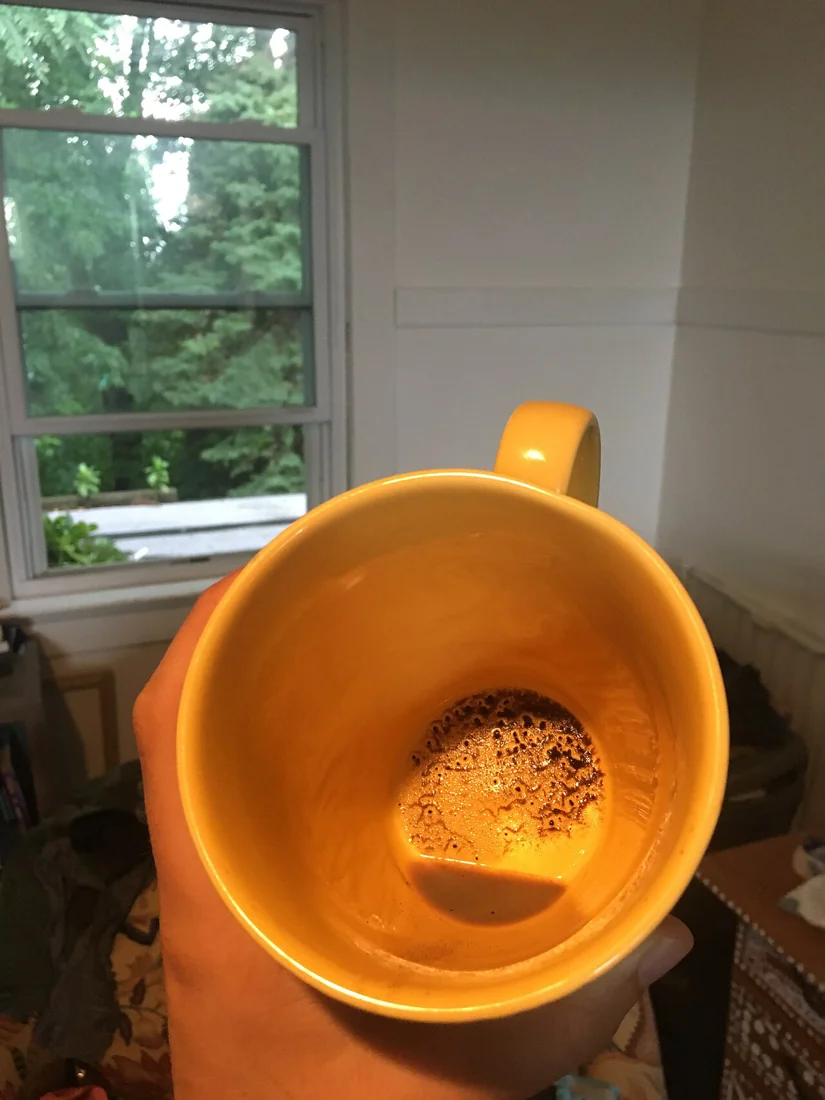
Yes, coffee grounds can be composted at home. The useful question is how to add them: grounds count as a nitrogen-rich green, so a mound of them alone is not a balanced compost pile. Mix them with dry leaves, shredded paper or another carbon-rich brown, and keep the pile airy and damp rather than waterlogged. A paper filter can join the pile if it is uncoated and breaks down readily.
Treat grounds as a green
Composting is managed decomposition that depends on microorganisms, oxygen, water, carbon and nitrogen. Grounds belong with the nitrogen-rich materials often called greens, alongside fruit and vegetable scraps and grass clippings. Dry leaves, small twigs and uncoated shredded paper are examples of carbon-rich browns. [1]
That category matters because a pile made mostly of wet kitchen scraps can become dense and short of air. EPA’s home composting guidance recommends adding at least two to three volumes of browns for each volume of greens and covering food scraps with several inches of dry material. Grounds are only one ingredient in that total; there is no need to calculate a special ratio for every scoop if the overall pile stays balanced. [1]
Add them without making a mat
A practical routine is to empty the grounds into the active pile, scatter them rather than dumping them in one thick layer, and cover them with dry leaves or shredded paper. If the pile is already very wet or smells unpleasant, add more browns and turn it to restore air. If it is dry and inactive, moisture may be needed. A well-managed pile should feel like a wrung-out sponge, not drip when handled. [1]
Paper coffee filters can be composted with grounds, according to EPA’s list of backyard compost ingredients. If the filter has a plastic lining or other material that does not break down, leave that part out. When in doubt about a specialty filter, check its labeling or use a plain paper filter. [1]
A small kitchen example
Suppose a household makes one small pot of coffee each morning and saves the grounds in a lidded container. At the end of the day, the grounds and plain paper filter go into the compost pile, followed by a cover of dry leaves stored nearby. The grounds do not need to be dried first. The stored browns make it easier to cover food scraps promptly and help absorb excess moisture.
In cold or busy periods, the household could freeze the grounds until it has time to add them. The key is not the collection method but keeping the material contained and covering it once it enters the pile. EPA advises storing food scraps in a closed container and keeping a supply of browns available for mixing. [1]
Worm bins are another option
Coffee grounds are also listed among materials suitable for worm composting. A worm bin can fit in a smaller space than an outdoor pile, but it still needs bedding, suitable worms, moisture management and restraint in feeding. Add small amounts, cover scraps with moist bedding, and wait until existing food is eaten before adding more. EPA notes that properly maintained worm bins should not smell or attract pests. [1]
A common mistake is assuming worms will process any quantity simply because grounds are an accepted ingredient. Too much food at once can remain uneaten and create odor or pest problems. Grounds also should not replace bedding: shredded paper or dry leaves supply the carbon-rich structure that lets the bin function.
What not to put in the pile
Do not confuse composting grounds with putting every coffee-related item into a backyard pile. Plastic pods, foil, stirrers and coated cups are separate materials and are not on EPA’s list of backyard compost ingredients. Commercially labeled compostable items may require commercial processing; EPA cautions that backyard piles generally do not reach temperatures sufficient to fully decompose some such products. Check the receiving program’s rules before using a collection bin. [1]
If a home pile is not practical, local community or municipal collection may be an option, but accepted items vary. For a household pile, keep the next step simple: save the grounds, add them as one green ingredient, and cover them with enough browns to keep the mix loose and odor-free.
Follow the evidence
Primary sources used in this story. Practical examples are illustrative unless a source states otherwise.
Read our editorial standards. Have a correction? Identify the article and relevant source in your feedback to the site owner.