tree day
Guide
Rain garden plants?
Choose rain garden plants for the wet-to-dry conditions of the site, then arrange them by water depth and local suitability. A planting plan can absorb runoff while staying manageable through changing seasons.
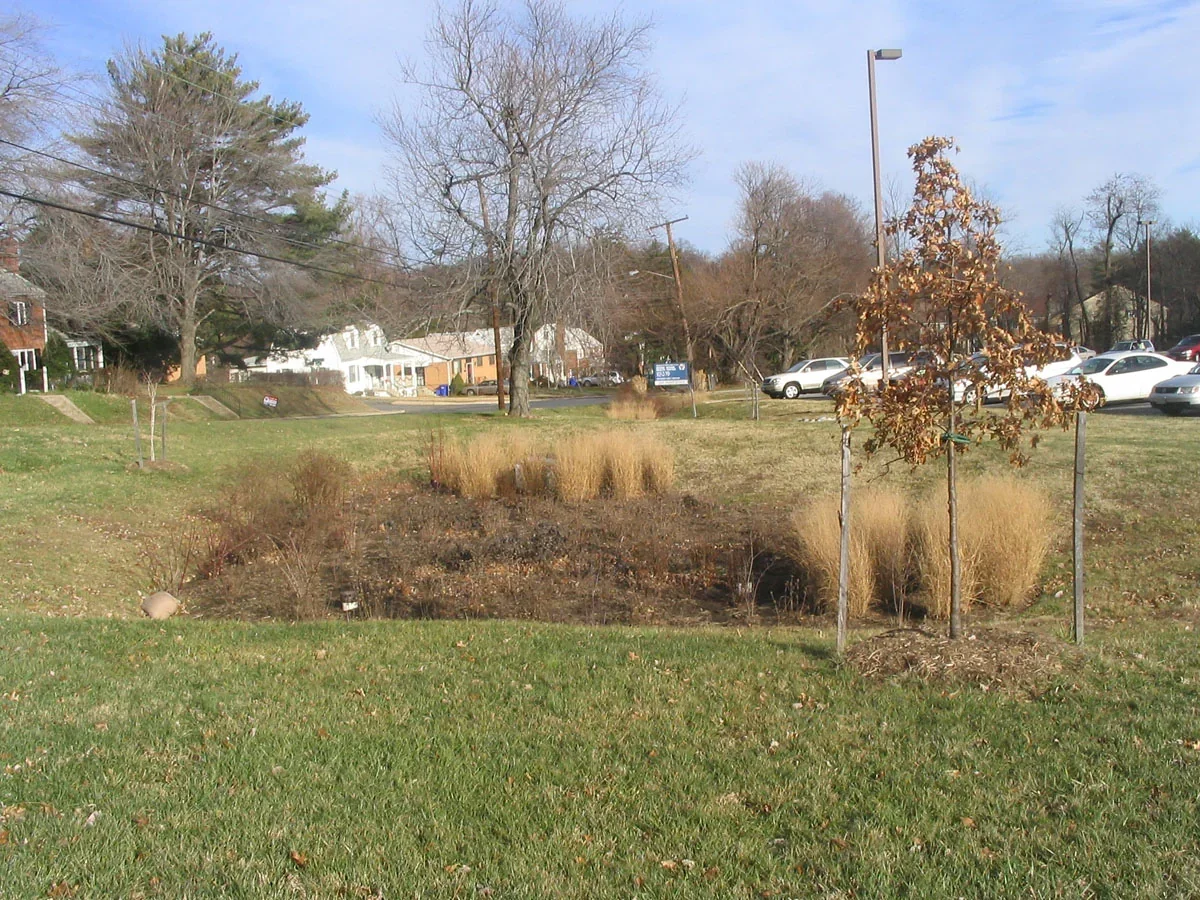
Rain garden plants need to handle more than rain: the basin may be briefly flooded, then dry out between storms. Start by matching plants to those changing conditions, rather than choosing only for flower color. A useful design groups locally suitable species by how wet their planting zone stays, leaving the deepest area for plants that tolerate temporary saturation and the outer edge for those that prefer drier soil.
Read the basin before choosing plants
A rain garden is a shallow planted area that receives runoff, often from a roof or paved surface. Its soil and water pattern determine which plants will thrive. Observe where water enters, where it collects, and how long dampness remains after rain. Sun exposure matters too: a sunny basin and a shaded one call for different plant lists.
Think in three broad zones. The lowest point may be wettest for a short period; the middle can alternate between moist and dry; the rim often behaves more like ordinary garden soil. These are practical design categories, not fixed botanical rules. Local soil, slope, drainage and storm size can shift the pattern, so use observations from your own site alongside regional plant guidance.
Match roots to the wet-and-dry cycle
For the basin’s lowest zone, look for locally appropriate plants known to tolerate temporary wet soil, not plants that require permanent standing water unless the site truly provides it. In the middle, use species that cope with both a spell of saturation and later drying. On the upper edge, choose plants suited to the surrounding garden’s ordinary moisture conditions.
A hypothetical small garden might receive roof runoff at one corner. The gardener could place a few wet-tolerant species near that inlet, a mix of adaptable perennials through the center and drier-site plants along the rim. The arrangement follows water movement and allows the gardener to notice which spots stay damp. A locally native plant list from an extension service or conservation organization can help narrow choices to species suited to the region and exposure.
Build a planting mix that lasts
Use more than one species in each zone. A mix of flowering plants, grasses or sedges, and plants with different growth forms can cover soil and give the garden structure beyond a single bloom period. For pollinators, flowering plants can provide useful habitat; the U.S. Fish and Wildlife Service encourages native pollinator gardens as one way people can help support pollinators. [2] Choose plants whose mature size fits the basin, and leave room for them to spread without crowding access or blocking an inlet.
Healthy soil supports establishment, but amendments should fit the site and the design. Finished compost can improve soil structure and help soil retain moisture, according to the EPA; it is a soil amendment, not a substitute for a correctly designed basin or a guarantee that water will drain at a particular rate. [1] Avoid piling material against plant stems, and do not assume every existing soil needs the same treatment.
Keep runoff moving without making maintenance harder
The goal is to let runoff enter the planted area, spread across it and soak into the ground, while keeping the planting manageable. Keep the entry point visible enough to check for leaves or sediment buildup. As plants establish, remove unwanted weeds before they seed and replace failures with species better matched to that spot. Avoid routine irrigation assumptions: newly planted areas may need attention, but the right amount depends on weather, soil and plant condition.
A common mistake is to select every plant for the wettest point. Most rain gardens also experience dry spells, and plants that cannot tolerate them may struggle. Another is choosing only plants that look good in a nursery pot without checking mature height, local climate or light needs. Before buying, sketch the basin’s wettest and driest areas, note the hours of sun, then ask a local native plant or extension resource for species suited to those conditions.
Follow the evidence
Primary sources used in this story. Practical examples are illustrative unless a source states otherwise.
Read our editorial standards. Have a correction? Identify the article and relevant source in your feedback to the site owner.