tree day
Guide
Compost greens and browns?
Greens supply nitrogen-rich material and browns supply carbon-rich material; compost needs both, plus moisture and oxygen. Use volume rather than weight as a practical guide, then adjust the mix by its moisture and smell.
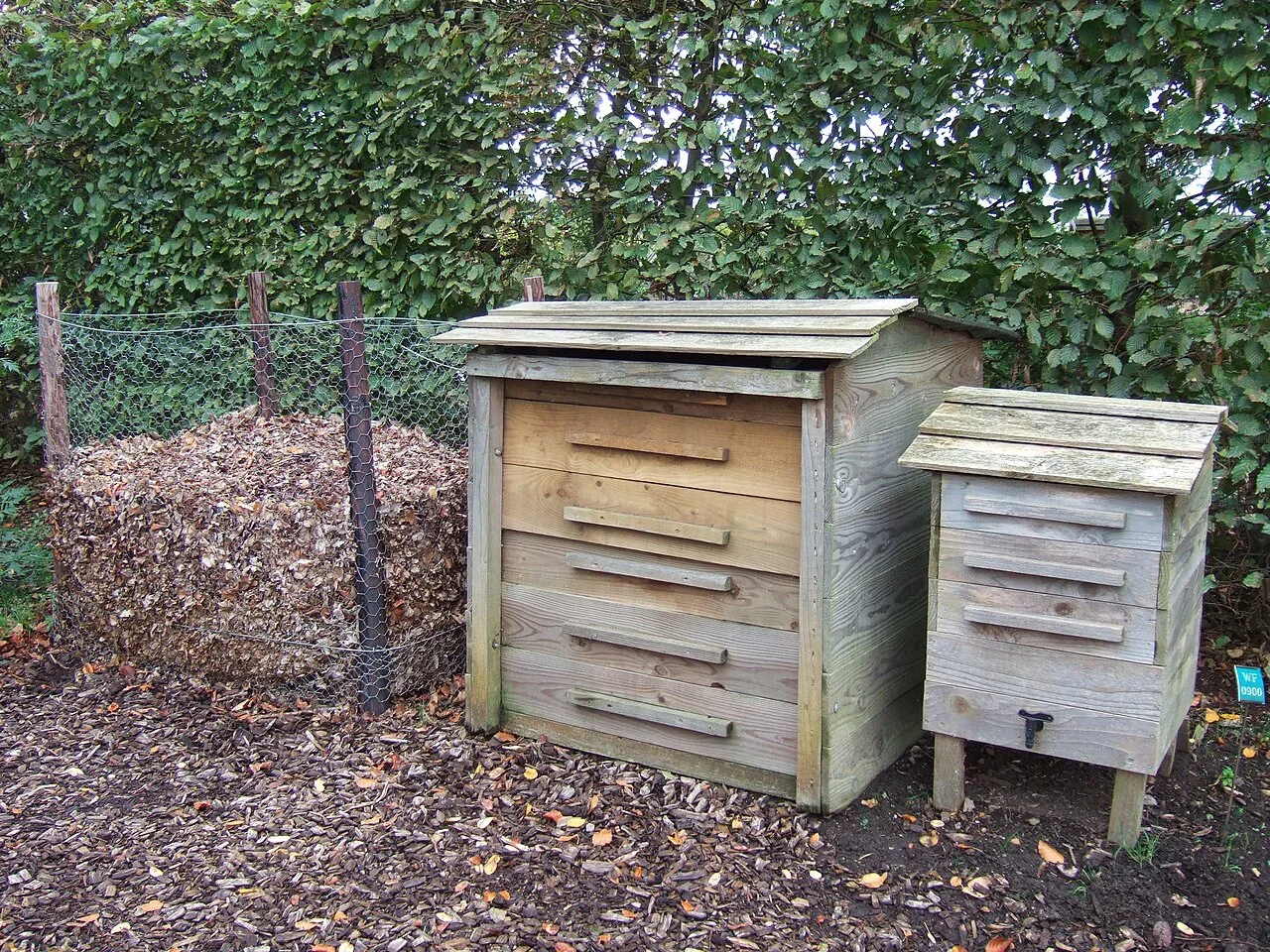
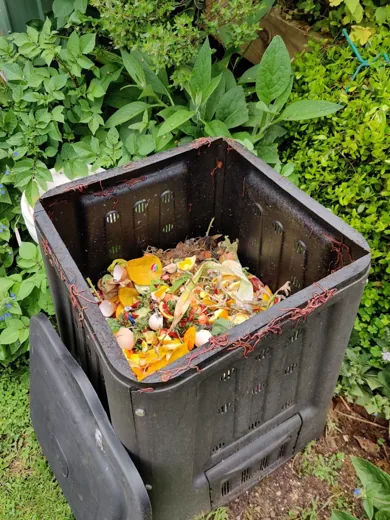
Greens are nitrogen-rich materials such as fruit scraps and grass clippings; browns are carbon-rich materials such as dry leaves and twigs. A compost pile needs both, along with water and oxygen, because microorganisms use carbon and nitrogen to grow and use moisture and air to decompose material.[1] A practical starting point is more browns than greens by volume.
Sort by role, not by color alone
The names can mislead: a green-colored item is not necessarily a “green,” and a brown object is not automatically a “brown.” In composting, the terms describe the material’s role. Fruit and vegetable scraps, grass clippings and coffee grounds with paper filters count as greens. Dry leaves, shredded non-glossy paper, small twigs and untreated wood chips are browns.[1]
Some items supply useful organic material but do not fit the simple everyday categories neatly. Eggshells, for instance, are accepted in a backyard pile by the EPA, while meat and dairy are usually excluded from that system.[1] Use an accepted-material list for those edge cases rather than relying on appearance or kitchen intuition.
Why the mix matters
Microorganisms need carbon and nitrogen as they grow and reproduce; they also use water to digest material and oxygen to breathe.[1] A pile with too much wet food waste can become compact and unpleasant. A pile dominated by dry leaves may remain inactive or dry out. Balancing ingredients supports decomposition and helps the pile stay workable.
For a backyard pile, EPA guidance says to add at least two to three parts browns by volume to each part greens.[1] Treat that as a starting point, not a laboratory measurement. A bucket or shovel can serve as a consistent scoop. It is the relative volume that matters in this simple household method, not an exact weight or a universal recipe for every system.
A batch-by-batch example
Suppose a household collects one bucket of vegetable scraps over several days. It could add those scraps to the pile and cover them with two or three buckets of dry leaves, then mix in a little water if the combined material feels dry. This hypothetical example follows the volume guidance without requiring special equipment. The aim is a mixed pile that feels like a wrung-out sponge.[1]
Keep scraps covered by several inches of browns rather than leaving them visible on top.[1] That layer helps manage moisture and reduces exposure that can attract animals. If you are short on leaves, shredded cardboard without wax, tape or glue can supplement the browns.[1] Store some dry material nearby so you are not forced to add food uncovered.
Let the pile tell you what to change
A sour or rotten odor often signals that the mix is too wet or lacks air. Add dry browns and turn the pile to open it up.[1] If the pile is dry, moisten and mix it. Turning also redistributes materials and brings oxygen into the pile. These adjustments are more useful than trying to keep a rigid ratio for every handful.
An inactive pile may need more greens, moisture or mixing, but consider the pile as a whole before adding lots of scraps. More food is not always the answer if the material is already soggy or compacted. Fix the condition first, then resume your normal additions.
Make the balance easy to maintain
Keep a reserve of dry leaves or another suitable brown next to your bin, and use the same scoop for scraps and cover material. That routine makes proportions visible even when nobody is measuring closely. If your setup is a worm bin or a municipal collection program, follow its specific instructions rather than assuming backyard pile guidance applies.
Your next step is to gather one container of browns before adding more kitchen scraps. That small preparation makes it much easier to keep the pile balanced over time.
Follow the evidence
Primary sources used in this story. Practical examples are illustrative unless a source states otherwise.
Read our editorial standards. Have a correction? Identify the article and relevant source in your feedback to the site owner.