Water & oceans · Guide
Why mangroves matter?
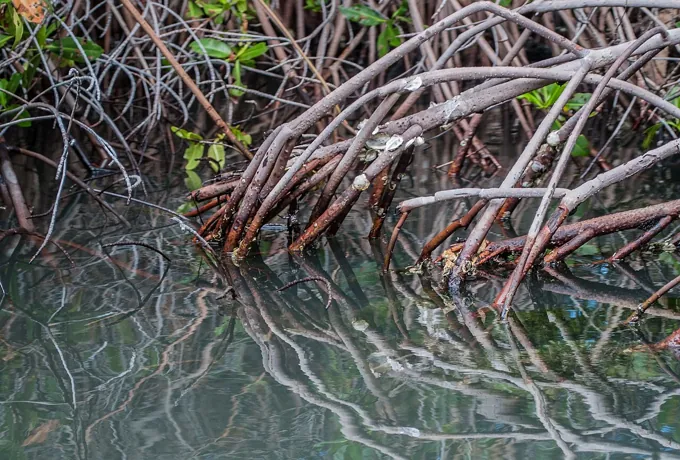
Mangroves matter because coastal wetlands connect habitat, water quality and shoreline protection. Here is how those benefits work, what they can and cannot do, and how to make a useful local choice.
 tree day.
A greener world.
A life well lived.
IDEAS TO TAKE INTO EVERYDAY LIFE
Explore practical guides on trees, climate, gardens, wildlife, water, food, homes and community life.
321 articles
Water & oceans · Guide
Mangroves matter because coastal wetlands connect habitat, water quality and shoreline protection. Here is how those benefits work, what they can and cannot do, and how to make a useful local choice.
Wildlife & biodiversity · Guide
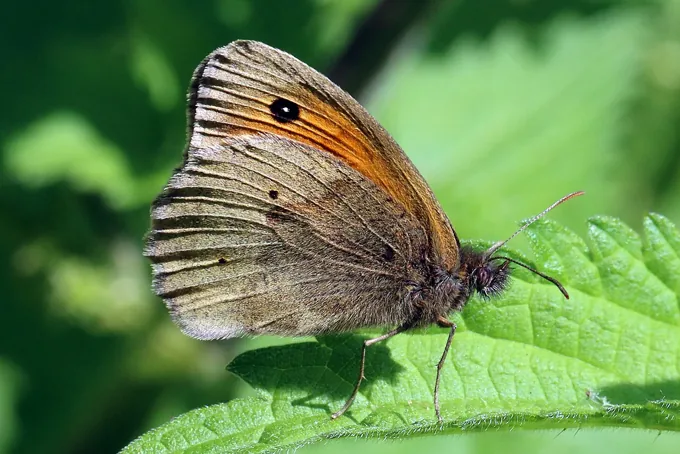
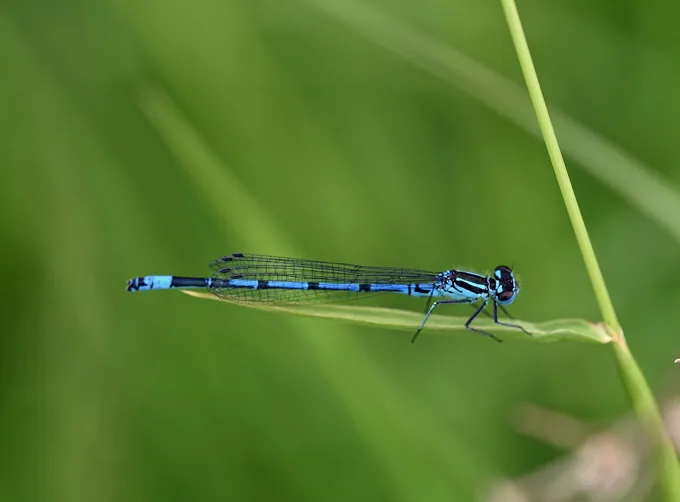
Insects are part of biodiversity and connect plants, wildlife and human life in ways that are easy to overlook. Seeing their value clearly means looking beyond the few species that visit a flower or bother a household.
Gardens & growing · Guide
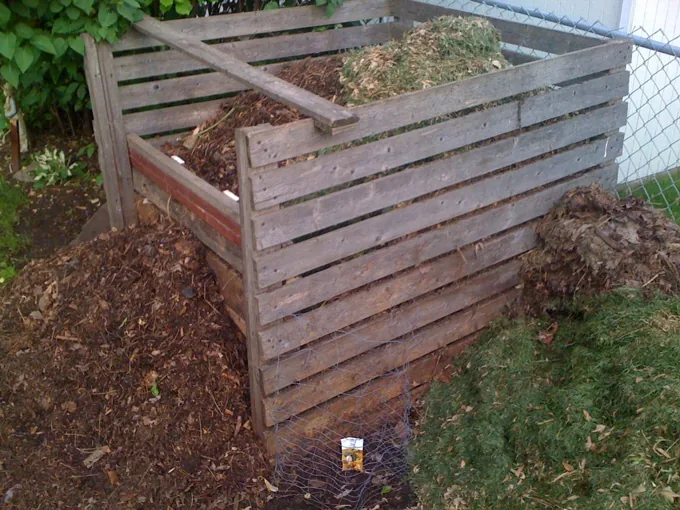
A bad smell usually means the pile is too wet, compacted or short on air. Add dry browns, turn the materials to introduce oxygen, and cover fresh food scraps so the pile can recover.
Water & oceans · Guide
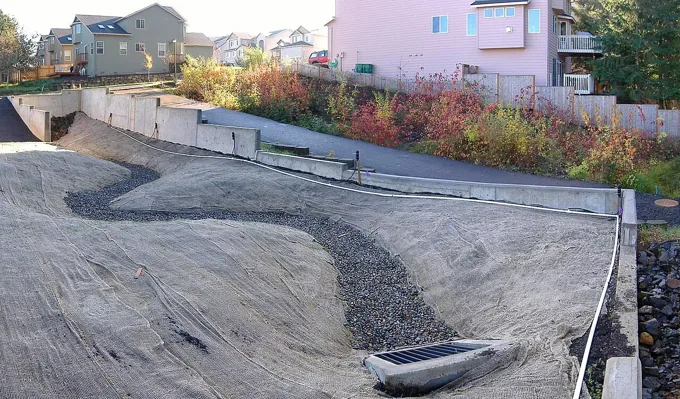
A sustainable drainage system manages rain close to where it falls, using storage, infiltration or slower release to reduce fast runoff. Understand its purpose, limits and the local checks to make before building one.
People & places · Guide
A low traffic neighbourhood uses street changes to discourage through-driving on local streets while keeping routes for residents and essential access; its design and effects depend on local details.
Trees & forests · Guide
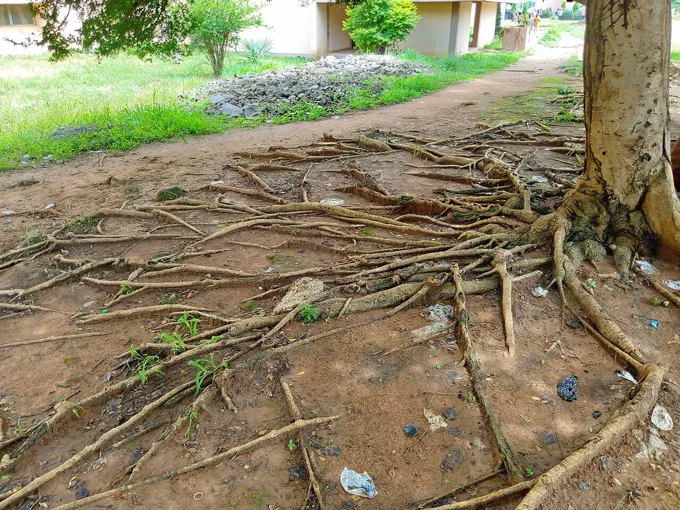
Roots near a foundation are a reason to assess the site, not assume that a tree is damaging a house. Look at soil, drainage, tree size and visible changes, then get qualified local advice before changing roots or removing a tree.
Food & land · Guide
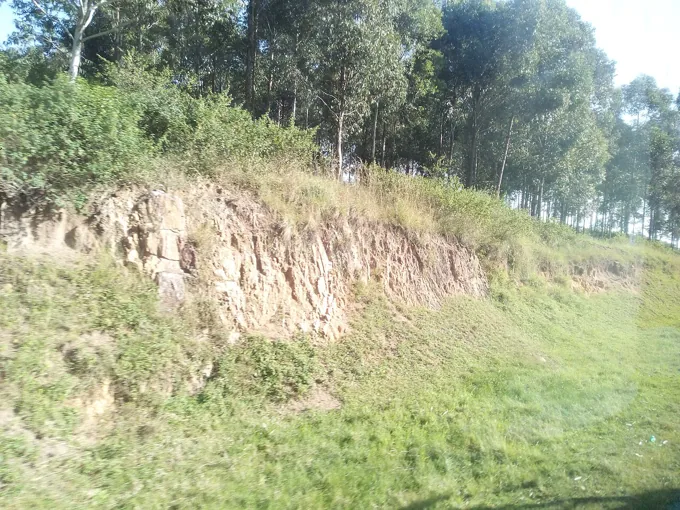
Soil erosion happens when wind or water carries exposed soil away. Learn how bare ground, slope, and disturbed cover contribute, and how to choose prevention measures that fit the site.
Waste & circular living · Guide
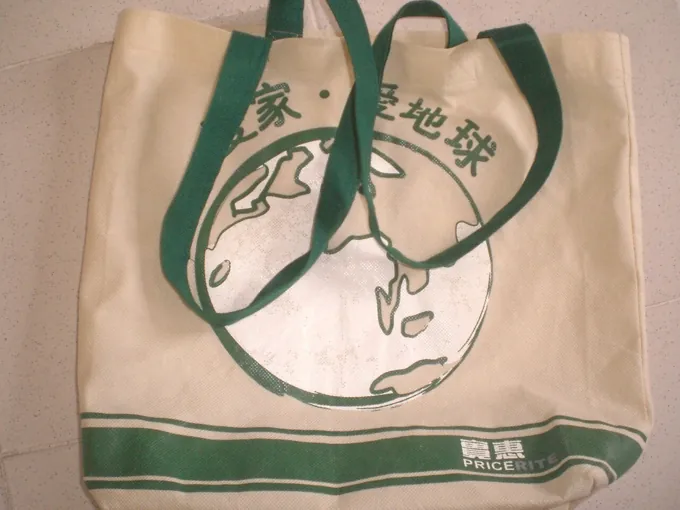
A reusable bag can reduce disposable-bag use if it replaces them repeatedly and is kept clean and in service. Material, durability, and local disposal options matter, so use the bag you already have before buying more.
Water & oceans · Guide
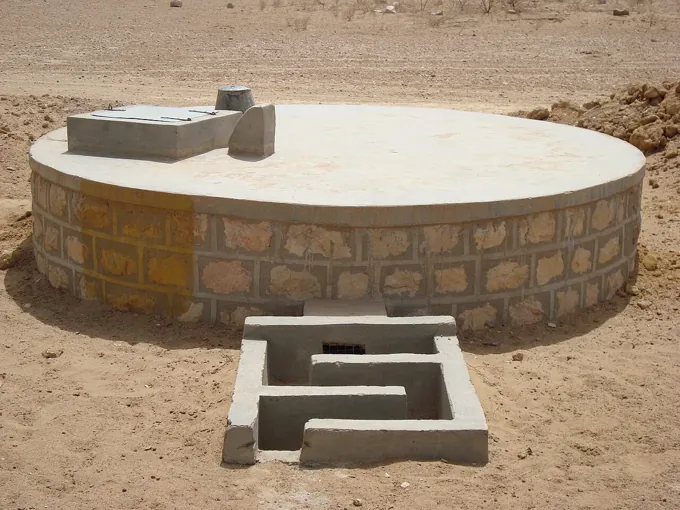
A practical introduction to collecting roof runoff: how a simple system works, what to consider before installing one, and how to match storage to a useful purpose.
People & places · Guide
Public transport can reduce the number of individual car journeys needed for a trip, while its environmental effects depend on service, occupancy, energy and the street network around it.
Food & land · Guide
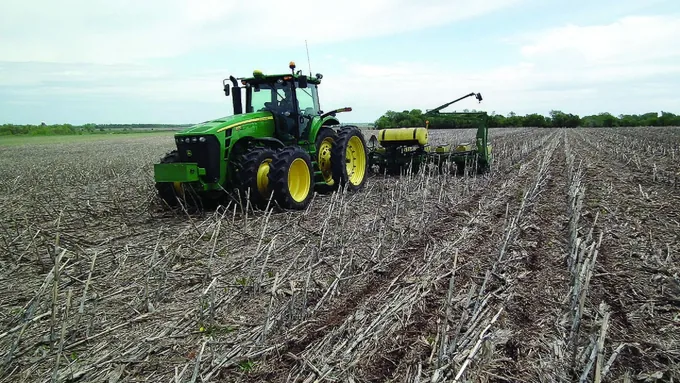
No till farming grows crops without the usual full-field plowing or soil inversion, though planting still requires some soil disturbance. Its suitability depends on the field, equipment and broader management plan.
Gardens & growing · Guide
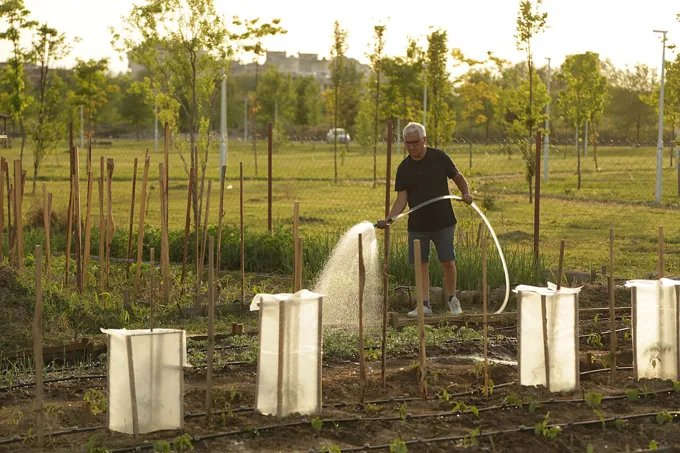
Learn to judge when pots need water, how to wet the root ball thoroughly, and how pot size, mix, weather and drainage change the routine.
Gardens & growing · Guide
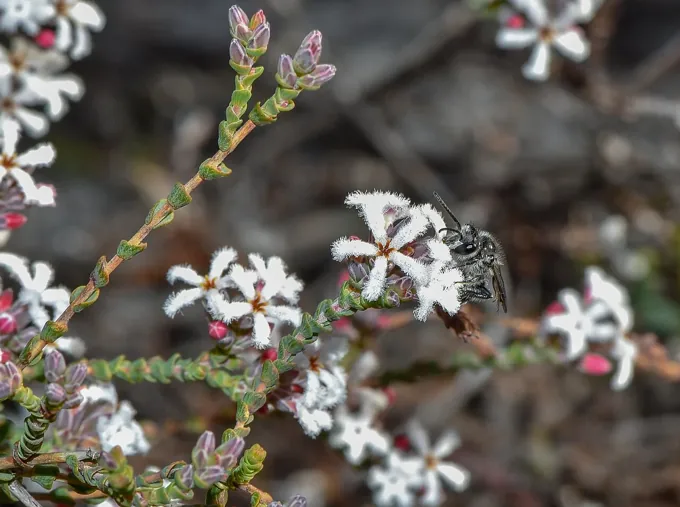
Support native bees by growing locally appropriate flowers, keeping nesting opportunities where suitable, and minimizing unnecessary disturbance. Start with habitat that fits the species and conditions of your region.
People & places · Guide
A reliable walking group starts with a modest route, a clear meeting plan and an invitation that makes different paces and abilities welcome. Learn how to test the idea and keep it manageable.
Homes & energy · Guide
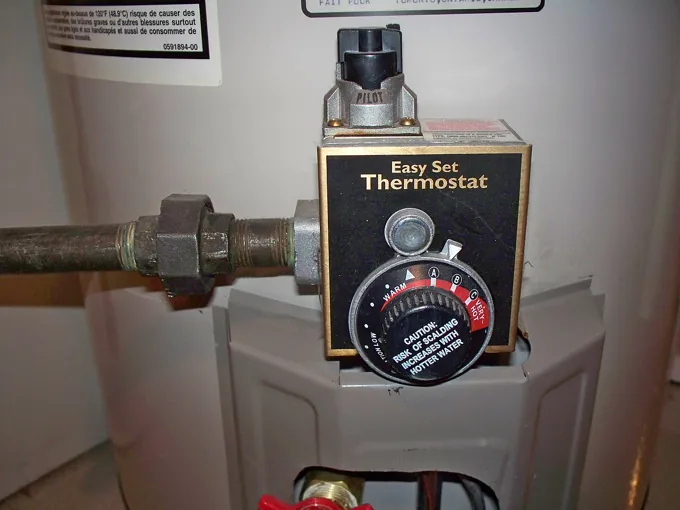
Reduce the amount of hot water you use and the heat lost between the heater and the tap. A few small changes can help; the best first step depends on where your household’s hot water goes.
Wildlife & biodiversity · Guide
A wildlife-friendly garden combines locally suitable plants with food, shelter and places to move through the yard. Begin with the conditions you have, then improve one section at a time.
Wildlife & biodiversity · Guide
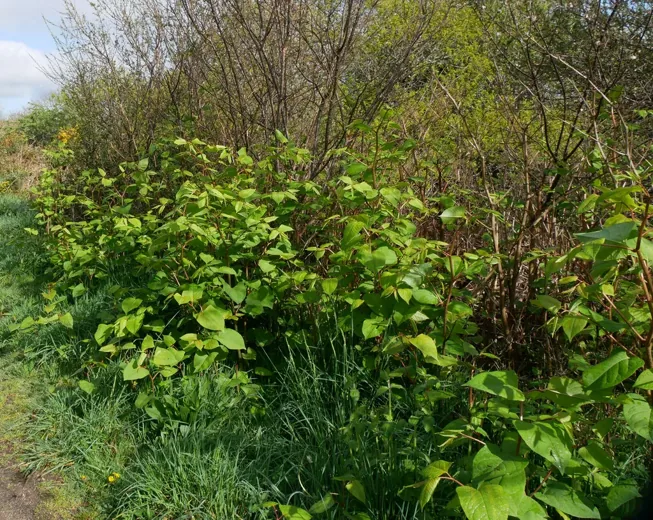
Reliable identification starts with a location, clear images and several plant features, then checks the result against local official guidance. A fast-spreading plant is a reason to investigate, not proof by itself.
Gardens & growing · Guide
Balcony gardening begins with a realistic check of light, exposure, space and building rules. Choose a few containers and plants that suit those conditions, then check moisture often enough to respond to wind and sun.