An independent journal for a living planetMonday, 2 November 2026
tree day.

A greener world.
A life well lived.

IDEAS TO TAKE INTO EVERYDAY LIFE

The reading room

Explore practical guides on trees, climate, gardens, wildlife, water, food, homes and community life.

321 articles

Photo credits & licence

Seasons & outdoor life · Guide

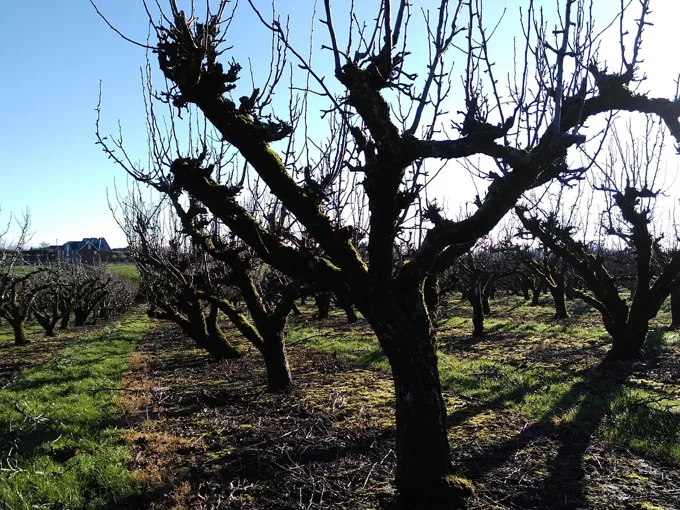
How plants prepare for winter?

Plants meet winter in different ways, from slowing growth to shedding leaves or persisting below ground; recognizing the strategy helps gardeners decide what to leave in place and what to observe.
· 3 min 28 sec read ↗

Photo credits & licence

Trees & forests · Guide

How much space does a tree need?

A tree needs room for its mature crown, trunk and spreading roots, with extra attention to overhead lines, paving and buildings. Plan from the site and the species’ eventual size, not the nursery pot.

· 3 min 23 sec read ↗

Photo credits & licence

Waste & circular living · Guide

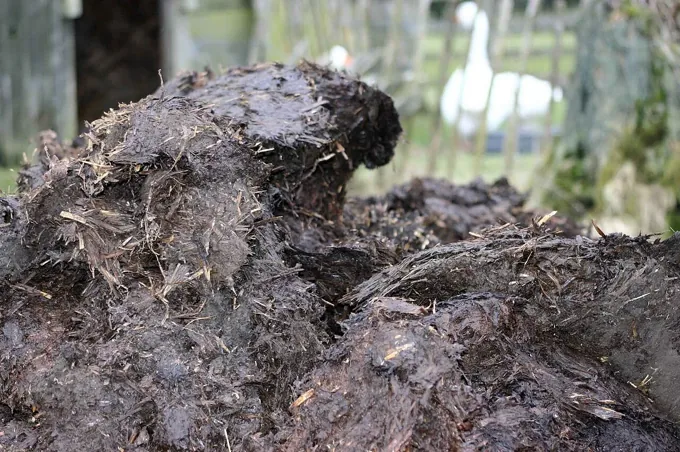
Home compostable vs industrial compostable?

Home and industrial composting use different conditions, so a product suitable for one route may not break down in the other. Check the label and local acceptance before placing it in a compost system.

· 3 min 35 sec read ↗

Photo credits & licence

Waste & circular living · Guide

Glass vs plastic packaging?

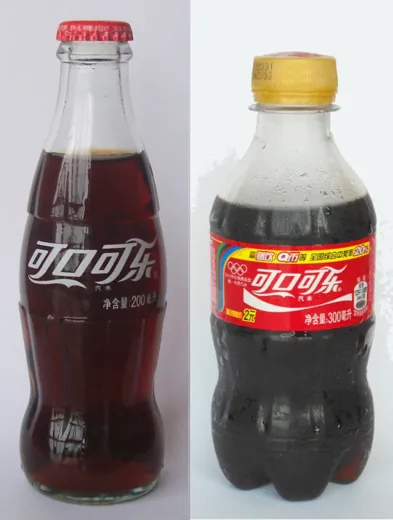
Neither glass nor plastic is always the better package. Compare reuse, local collection, food protection and transport for the specific item you buy, then use the package that fits your routine and recycling options.

· 3 min 32 sec read ↗

Photo credits & licence

Gardens & growing · Guide

Drip irrigation vs sprinklers?

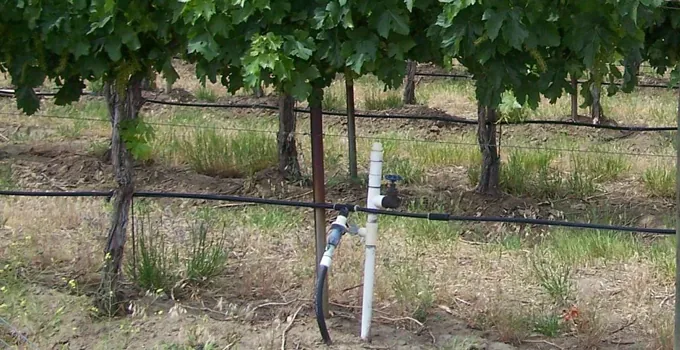
Compare drip irrigation and sprinklers by planting layout, water placement, maintenance and coverage, then choose the method that suits the space you actually need to irrigate.

· 2 min 54 sec read ↗

Photo credits & licence

Trees & forests · Guide

Bare root vs container trees?

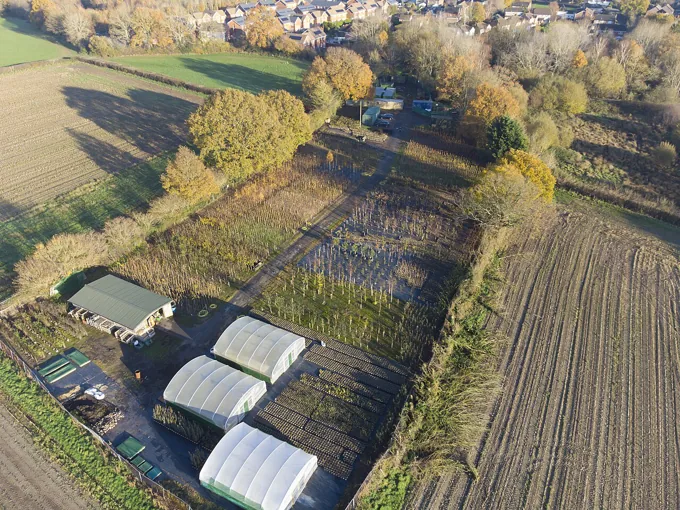
Bare-root trees are lighter and often available in a short seasonal window; container trees are widely sold but may have roots circling inside the pot. Choose by planting timing, handling needs and the condition of the roots.

· 3 min 2 sec read ↗

Photo credits & licence

Gardens & growing · Guide

Wildflower meadow vs lawn?

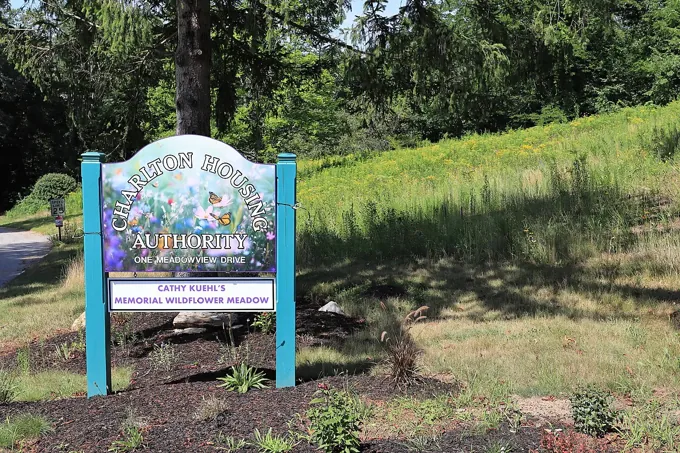
A meadow and a lawn serve different purposes and demand different kinds of care. Compare how people use the space, its growing conditions and the maintenance each option needs before converting it.

· 3 min read ↗

Photo credits & licence

Seasons & outdoor life · Guide

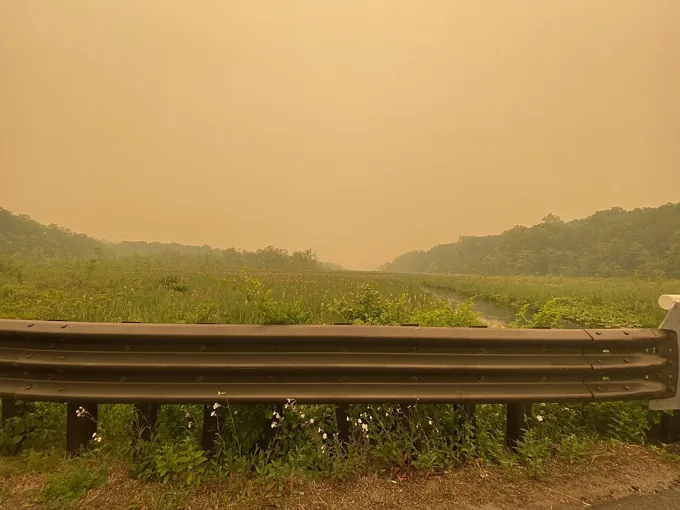
Why wildfire smoke travels far?

Wildfire smoke can affect communities hundreds or even thousands of miles from a fire because winds carry its pollution through the atmosphere. Here is why distance from the flames does not always mean clean air.

· 3 min 8 sec read ↗

Photo credits & licence

Water & oceans · Guide

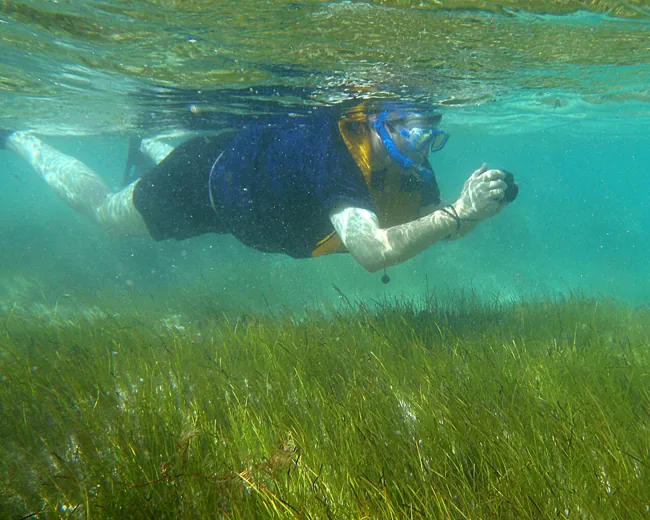
Why seagrass matters?

Seagrass grows underwater, but its value is best understood through the broader roles of wetlands: habitat, water quality, flood storage and watershed connections. Learn what those roles suggest and what to check locally.

· 3 min 32 sec read ↗

Photo credits & licence

Waste & circular living · Guide

Why recycling rules differ?

Recycling rules differ because communities have different collection systems, sorting equipment, processors, and markets. A material’s theoretical recyclability does not guarantee a local route, so residents need the current instructions for their provider.

· 3 min 20 sec read ↗

Photo credits & licence

Wildlife & biodiversity · Guide

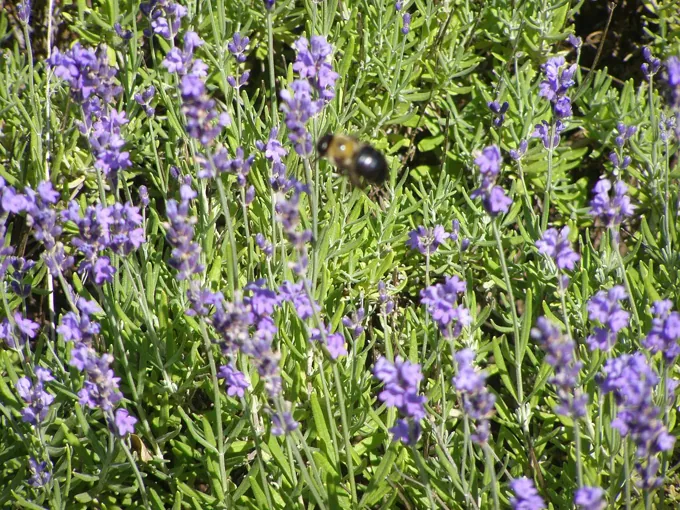
Why pollinators are declining?

Pollinator decline is a documented concern, but the supplied evidence does not establish one universal cause or explain every local trend. Understand what the evidence supports and how to interpret it at home.

· 3 min 45 sec read ↗

Photo credits & licence

Trees & forests · Guide

Why old trees matter?

Old trees connect long lives to everyday benefits: shade, cleaner air and water, habitat and a sense of place. Their value also makes careful site choices and care important.

· 3 min 15 sec read ↗

Photo credits & licence

Wildlife & biodiversity · Guide

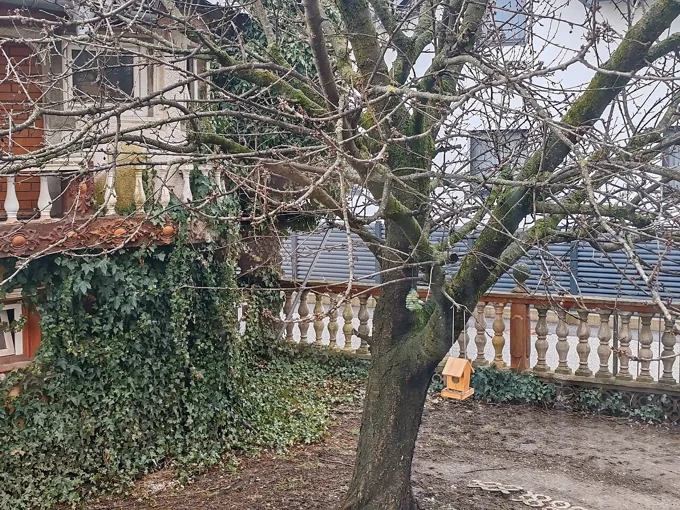
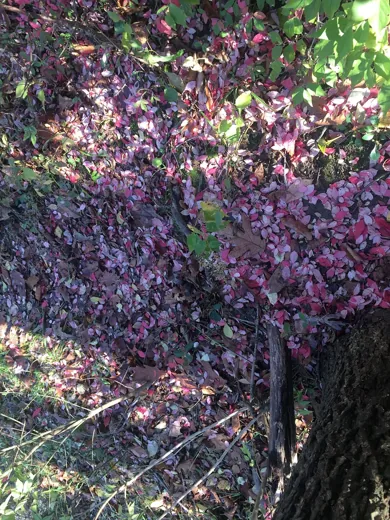
Why leaf litter matters?

A layer of fallen leaves shelters small organisms, returns organic matter to soil, and can provide cover for wildlife. Learn where to leave it, when to clear it, and how a selective approach fits paths, drains, lawns, and fire conditions.

· 3 min 27 sec read ↗

Photo credits & licence

Trees & forests · Guide

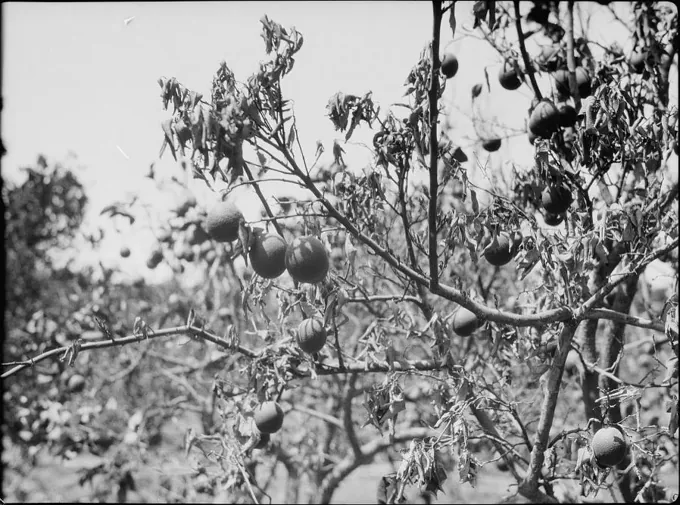
Why is my new tree wilting?

A newly planted tree can droop from dry roots, excess water, heat or transplant stress. Learn how to inspect the root zone and choose a measured next step.

· 3 min 13 sec read ↗

Photo credits & licence

Food & land · Guide

Why healthy soil matters?

Healthy soil supports plant growth, stores and moves water, and recycles nutrients. Understanding those linked jobs helps gardeners and food shoppers see why soil condition matters beyond a good harvest.

· 3 min 55 sec read ↗

Photo credits & licence

Water & oceans · Guide

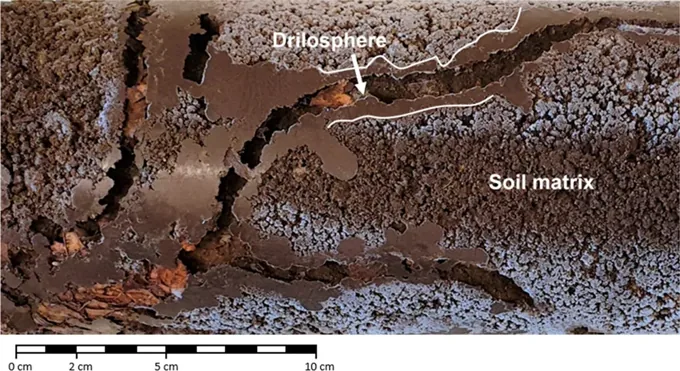
Why healthy soil holds water?

Healthy soil can absorb and store more rain because its pores, roots and organic matter create pathways and spaces for water. Learn how to recognize the difference between useful retention and poor drainage.

· 3 min 41 sec read ↗

Photo credits & licence

Climate & change · Guide

Why does half a degree of warming matter?

Half a degree is a difference in the level of global warming, not a forecast for one place. It matters because added heat shifts the odds and severity of climate impacts, while each fraction avoided reduces pressure on people and ecosystems.

· 3 min 23 sec read ↗

Photo credits & licence

Climate & change · Guide

Why do cities get hotter?

Cities can become hotter than nearby less-built areas because pavement and buildings absorb and release heat, while dense development can limit shade and airflow. This guide explains the mechanisms and how to spot the conditions that make a block especially warm.

· 2 min 59 sec read ↗