tree day
Guide
Why healthy soil matters?
Healthy soil supports plant growth, stores and moves water, and recycles nutrients. Understanding those linked jobs helps gardeners and food shoppers see why soil condition matters beyond a good harvest.
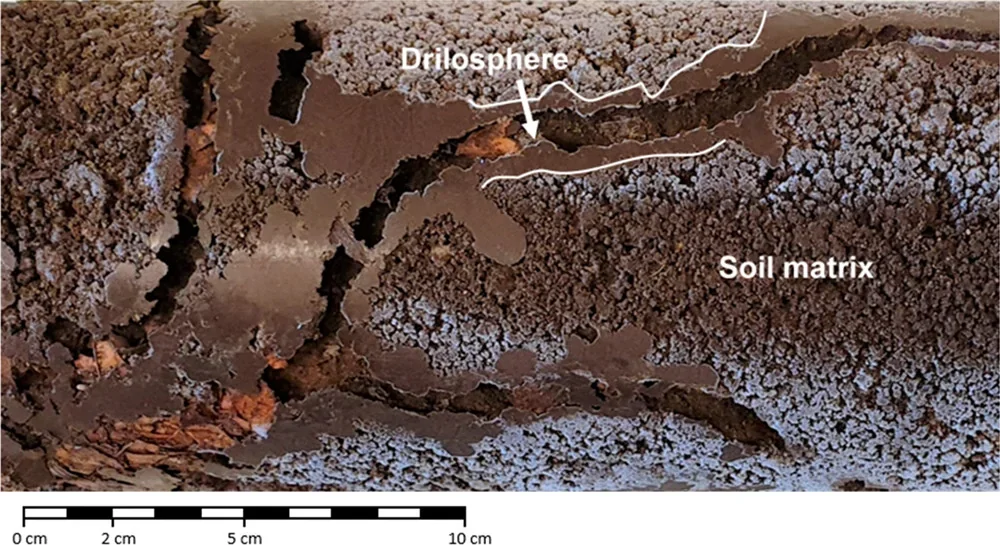
Healthy soil matters because it does more than hold a plant upright: it helps roots find water and nutrients, absorbs rainfall, and turns dead material into resources for new growth. USDA’s Natural Resources Conservation Service defines soil health by its continuing ability to function as a living ecosystem for plants, animals, and people [1]. That definition is useful at home, too: a productive garden depends on a soil system that can keep doing its work.
A growing medium with a working interior
A handful of soil can look like a uniform brown substance, but it contains mineral particles, air spaces, water, organic material, and living organisms. Roots need enough space to grow and access to both water and air. When soil is compacted or its structure is damaged, roots may struggle even when a gardener adds fertilizer. Soil condition therefore affects how well plants can use the resources already present.
The USDA NRCS describes functioning soil as supporting plant growth while contributing to natural cycles of water, oxygen, and nutrients [1]. Those functions connect below ground to familiar results above it: seedlings establish, crops mature, and wild plants provide food and shelter for other organisms. Soil is not simply a container to refill when it runs low.
Rainfall, roots, and the dry spell afterward
Soil affects what happens to rain after it reaches the ground. A functioning soil can absorb precipitation, drain excess water, and retain some moisture for later plant use [1]. That combination matters in both a downpour and a dry interval. Water that runs off immediately may carry soil with it; water that stays in the root zone can help plants bridge a rainless stretch.
The balance depends on the place. A sandy soil and a clay-rich soil handle water differently, and slope, depth, and past management matter as well. NRCS distinguishes these inherent features from dynamic properties that management can change over time [1]. So a gardener should not assume that one amendment or watering habit will improve every bed in the same way. Check how the soil behaves after rain and how quickly it dries before choosing a response.
Recycling nutrients instead of losing them
Dead leaves, roots, and other organic material are not merely litter to remove. Soil organisms break down dead matter and return its components to forms that can feed new growth; NRCS calls soil a natural recycling system [1]. This process does not mean every scrap should be left in every place. Diseased plant material, invasive weeds, or a tidiness requirement may change what is practical. But routinely stripping all organic material away can remove a source of nutrients and cover.
Food waste offers a related household lesson. EPA advises planning meals, storing food well, and using leftovers to avoid wasting the land, water, energy, and other resources used to produce food [3]. That is not a soil treatment recommendation, but it shows how the food system depends on productive land and careful use of materials. In a garden, locally appropriate compost can return some organic matter to soil; follow local guidance about what belongs in a compost system.
Why soil condition reaches the dinner table
Food production relies on soil, but soil is only one part of a larger chain. The United Nations explains that food-related emissions arise across production, processing, transport, preparation, and disposal, with agriculture and land use accounting for the largest share of those food-system emissions [2]. The soil-management connection is practical: well-functioning soil can support crops and water cycles, while degraded land can make production harder and less dependable.
This does not make soil health a guarantee of abundant harvests or a reason to ignore other pressures. Crop choice, weather, pests, access to water, and farm economics all affect what reaches a plate. NRCS notes that soil has both inherent properties and changeable properties, and that improvement must account for inherent limits such as texture, slope, and depth [1]. Understanding that distinction avoids blaming a gardener or farmer for characteristics that cannot be quickly altered.
Start with what the ground is doing
A useful first step is observation, not a shopping list. Notice whether water infiltrates or pools, whether roots can spread, and whether a patch stays bare and vulnerable after harvest. Compare areas with different exposure or foot traffic. If you manage a garden, choose one manageable change based on what you observe—such as keeping suitable plant cover in place or adding locally appropriate organic material—and see how the soil responds over time.
There is no single visual test that proves soil is healthy, and an unfamiliar problem may need local soil guidance or a test. The better question is whether the soil can keep performing the jobs your plants and site require. Start by watching what happens after the next rain, then decide whether the issue is drainage, compaction, lack of cover, or something else.
Follow the evidence
Primary sources used in this story. Practical examples are illustrative unless a source states otherwise.
- USDA NRCS: Soil health in Virginia ↗
- UN: Food and climate change ↗
- US EPA: Preventing wasted food at home ↗
Read our editorial standards. Have a correction? Identify the article and relevant source in your feedback to the site owner.