tree day
Guide
Local food vs seasonal food?
Local describes where food was produced; seasonal describes when it is naturally available in a place. The terms can overlap, but neither guarantees a lower footprint, so compare production, storage, transport and what you will actually eat.
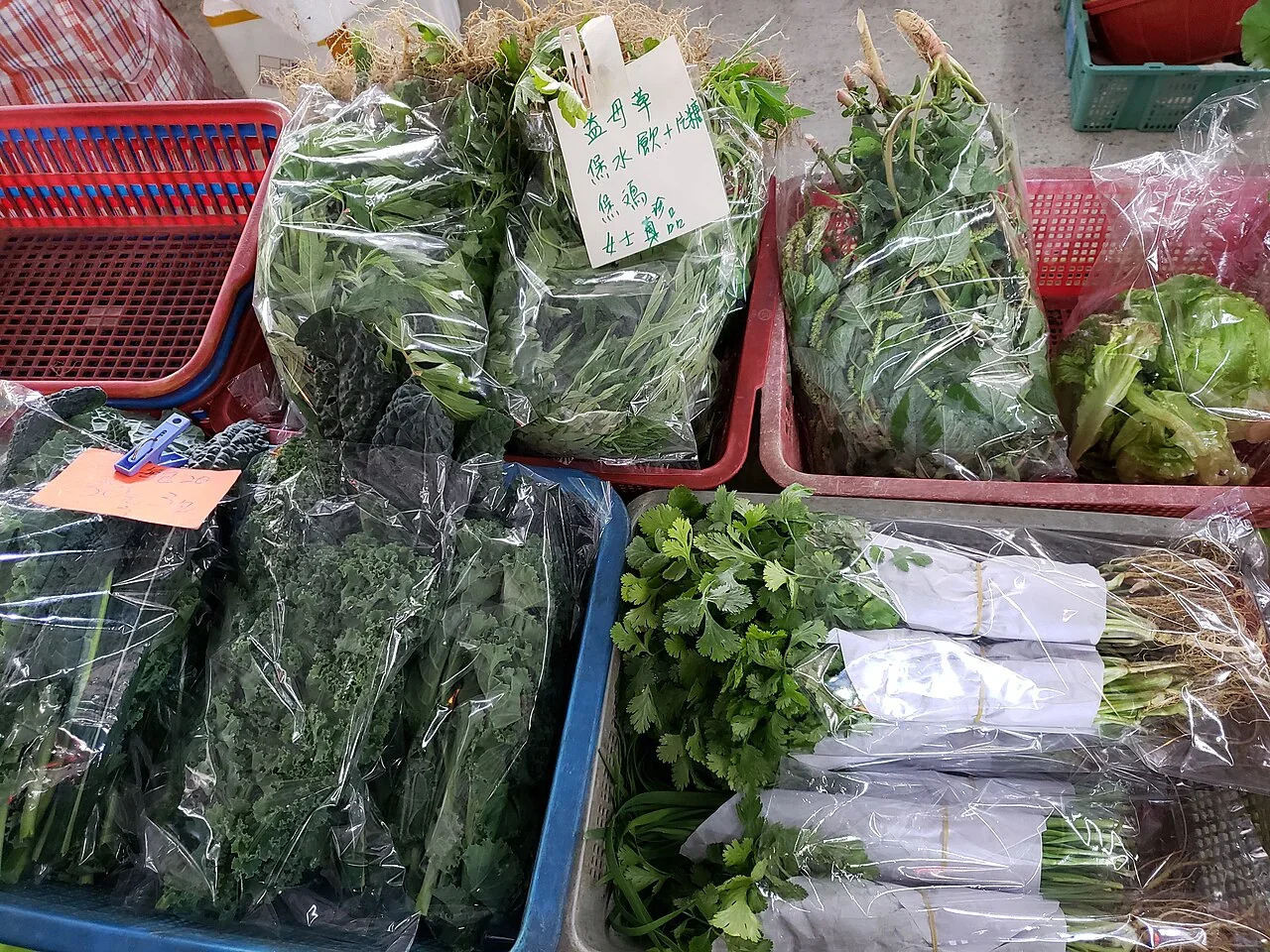
Local food comes from a nearby place; seasonal food is harvested or available around the time it naturally grows in a particular region. A food can be both, either, or neither: local tomatoes may be grown in a heated greenhouse in winter, while seasonal apples might be stored or shipped from farther away. The best choice depends on what you want to prioritize and how the food was produced.
Two labels answer two different questions
“Local” asks where the food came from and how close that source is to you. “Seasonal” asks whether the crop is being grown or harvested in its natural growing window for a region. Because climates and harvest calendars vary, seasonal eating is not one national list; the same crop can be in season in one place and unavailable in another.
The distinction is practical. Buying from a nearby farm may shorten the route and connect you with the people producing food, but it does not tell you whether the crop needed heated structures or extensive inputs. Choosing an in-season crop tells you something about timing, but not necessarily its distance or farming practices.
Why distance alone can mislead
The United Nations describes food’s climate impact as arising across production, processing, transport, storage, preparation and disposal. It says agriculture and land use make up the largest share of food-related emissions, while transport is typically a much smaller share. [1] This means a food mile is only one part of a food’s footprint.
Imagine two hypothetical tomato options in winter: one grown nearby in a heated greenhouse, the other shipped from a warm region where tomatoes are being harvested outdoors. The nearby option travels less, but heating may change the comparison. Without production details, distance alone cannot settle which has the lower footprint. The example is not a universal verdict; the energy source, growing method and route all matter.
Seasonality can simplify choices
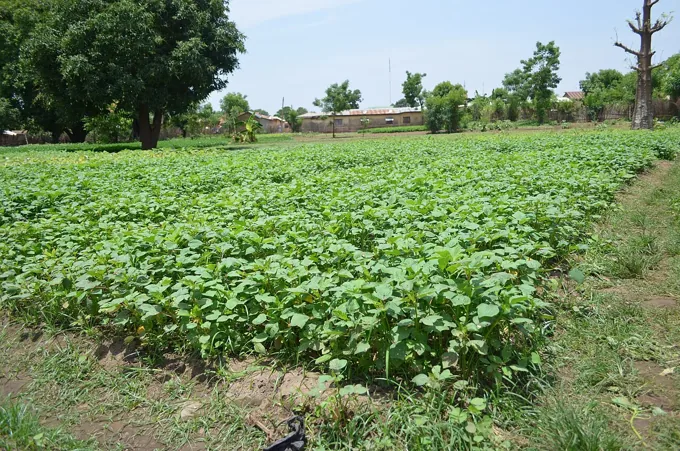
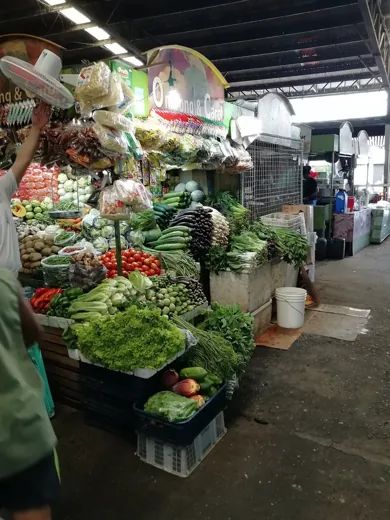
Eating with the local harvest often means using foods that are abundant and fresh at that time. It can bring variety through the year and make it easier to plan around a few ingredients rather than trying to find every crop year-round. A market stall or local farm’s harvest list can reveal what is in season where you live.
But seasonal eating is not a requirement to reject stored or imported food. Storage can make crops available after harvest, and transport can provide foods a region cannot grow at a particular time. The useful comparison is about the actual alternatives available to you, not an idealized rule that all food should be newly picked nearby.
Ask about the production behind the place
When a local option is available, ask how it was grown, whether it was field-grown or protected, and how the farm handles soil and water. Soil health includes the capacity to sustain plants and regulate water; USDA’s Natural Resources Conservation Service also notes that soil properties differ naturally and respond to management over time. [2] This is one reason practices need to fit local conditions.
A farmer may not have every detail at hand, and one conversation cannot certify an entire system. Still, a straightforward question such as “What is being harvested now, and how do you grow it?” can help you understand what the local label actually means. If you are shopping in a store, origin and harvest information may be limited, so focus on choices you can compare.
Make the comparison fit your kitchen
For a weeknight decision, start with meals you already plan to cook. If local seasonal squash is plentiful and suits your recipes, it may be a convenient choice. If a nearby crop is not in season and the alternative is an affordable imported staple you will eat, buying it can still make sense. The EPA recommends planning meals and quantities to reduce food waste, since unused food wastes the resources used to produce and distribute it. [3]
A common mistake is to pay more for a “local” item that then spoils because it does not fit your routine. Choose the food that meets your needs, ask what the origin label leaves out, and buy a manageable quantity. Seasonal and local can be helpful clues, not a complete sustainability score.
Follow the evidence
Primary sources used in this story. Practical examples are illustrative unless a source states otherwise.
- UN: Food and climate change ↗
- USDA NRCS: Soil health in Virginia ↗
- US EPA: Preventing wasted food at home ↗
Read our editorial standards. Have a correction? Identify the article and relevant source in your feedback to the site owner.