tree day
Guide
How to shop at a farmers market?
A farmers market is easiest to shop when you arrive with a loose meal plan, ask a few clear questions and buy quantities your kitchen can use. Learn how to compare produce, support local growers and avoid impulse purchases that go to waste.
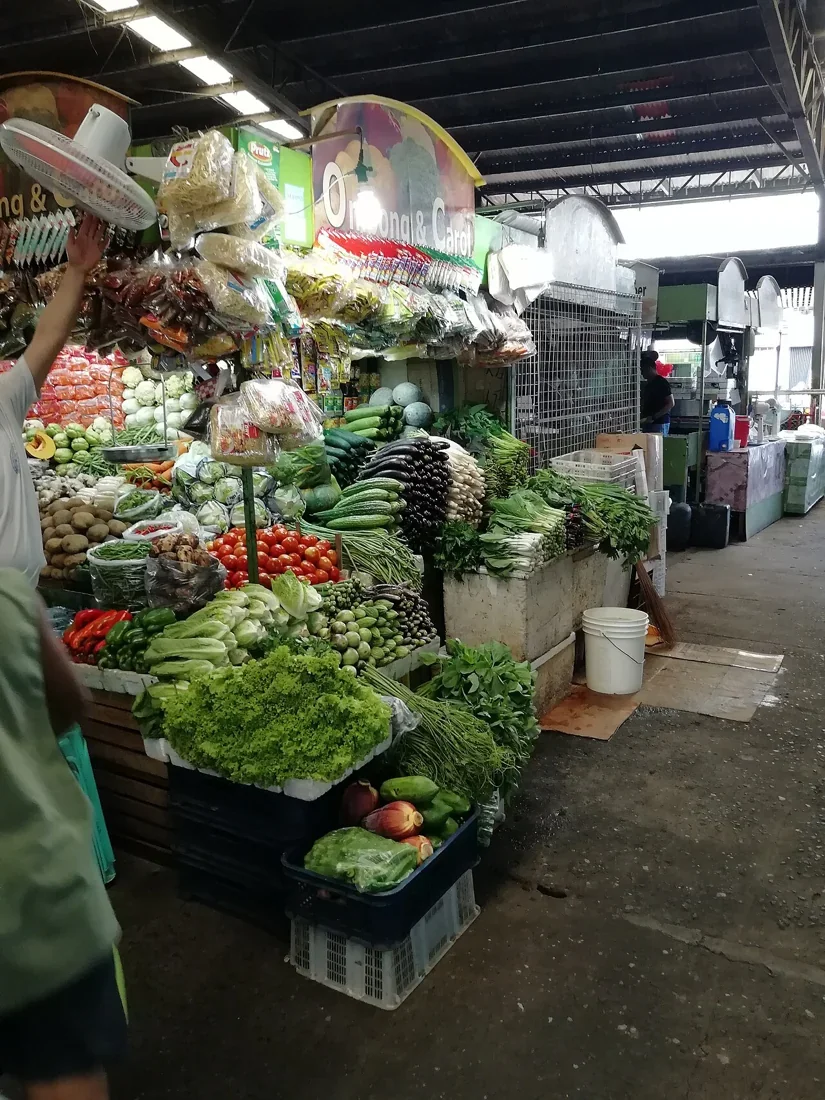
At a farmers market, start with a lap before you buy: see what is available, compare prices and notice which stalls are selling foods you already know how to use. Then return to the ingredients that fit your meals. You do not need to arrive with a detailed recipe for every item; a short list and a willingness to ask how something was grown can make the visit more useful.
Make a short plan, then leave room to adapt
Before you go, check what is in your refrigerator and pantry and decide how many meals you expect to eat at home. The EPA recommends planning meals, checking supplies and buying quantities based on actual use to reduce wasted food. [3] Bring a short list of staples or meals, but keep one or two slots open for what looks good at the market.
For instance, you might plan a bean dinner and a lunch salad, then choose whichever greens and vegetables are available and affordable. This gives you flexibility without turning every attractive display into an unplanned purchase. If the market offers an unfamiliar item, ask how much it costs and how people commonly prepare it before deciding.
Ask questions that help you make a choice
Useful questions are simple: What is being harvested now? How do you recommend storing this? Is this grown here or sourced elsewhere? If the stallholder grew it, you can also ask about practices that matter to you, such as soil cover or fertilizer use. Farmers may have time for a brief conversation, but they are not required to provide a full account of every input or practice.
Soil health is the capacity of soil to function as a living ecosystem that sustains plants, animals and people, according to USDA’s Natural Resources Conservation Service. [2] Its guidance also explains that soil has inherent qualities and properties that management can change. [2] Those ideas support asking about farming practices, but the existence of a market stall or a local label by itself does not prove a particular soil outcome.
Compare the food, not just the setting
Markets can offer fresh, seasonal produce and a direct opportunity to learn about origin, but “local” does not automatically mean low-impact or the best fit for every budget. The UN explains that food-related emissions arise across production and other stages, and that production and land use usually account for more than transport. [1] When sustainability is a priority, origin is one useful question alongside what the crop is and how it was grown.
Price, quality and convenience are also legitimate parts of the decision. If a market item costs more than you can comfortably spend, choose a smaller amount or compare it with a grocery option. A useful market trip is one that supplies food you will eat, not one that makes you feel obliged to buy something at every stall.
Buy a manageable amount and protect it at home
Fresh produce has different storage needs, so ask the seller for handling advice and follow food safety guidance from official sources where needed. The EPA suggests storing produce appropriately, using clear leftovers and planning to freeze food that will not be eaten in time. [3] If you are unsure whether a large bunch will last, buy a smaller amount first and return for more on a later visit.
A common mistake is buying a bargain quantity without a plan for it. If a stall has a large box of tomatoes, for example, decide whether you will eat, cook or preserve them before buying. Preserving methods and food safety details depend on the method, so use reliable instructions rather than improvising.
A repeatable first-market routine
On your first visit, take cash or payment options the market accepts, bring reusable bags if practical, and note which stalls have the foods you like. Markets differ in layout and rules, so check posted information for opening times and accepted payment methods. You can keep the first trip simple: one vegetable, one fruit and one item for a planned meal.
Afterward, notice what was easy to use and what was left over. That small review helps improve your next list. The strongest habit is not buying the most unusual produce; it is finding a few reliable foods and growers that fit your meals, budget and storage space.
Follow the evidence
Primary sources used in this story. Practical examples are illustrative unless a source states otherwise.
- UN: Food and climate change ↗
- USDA NRCS: Soil health in Virginia ↗
- US EPA: Preventing wasted food at home ↗
Read our editorial standards. Have a correction? Identify the article and relevant source in your feedback to the site owner.