tree day
Guide
What is sustainable food?
Sustainable food considers how food is grown, processed, moved, eaten and discarded. Learn which choices tend to matter most, how soil and food waste fit in, and how to make a practical decision without chasing a perfect label.
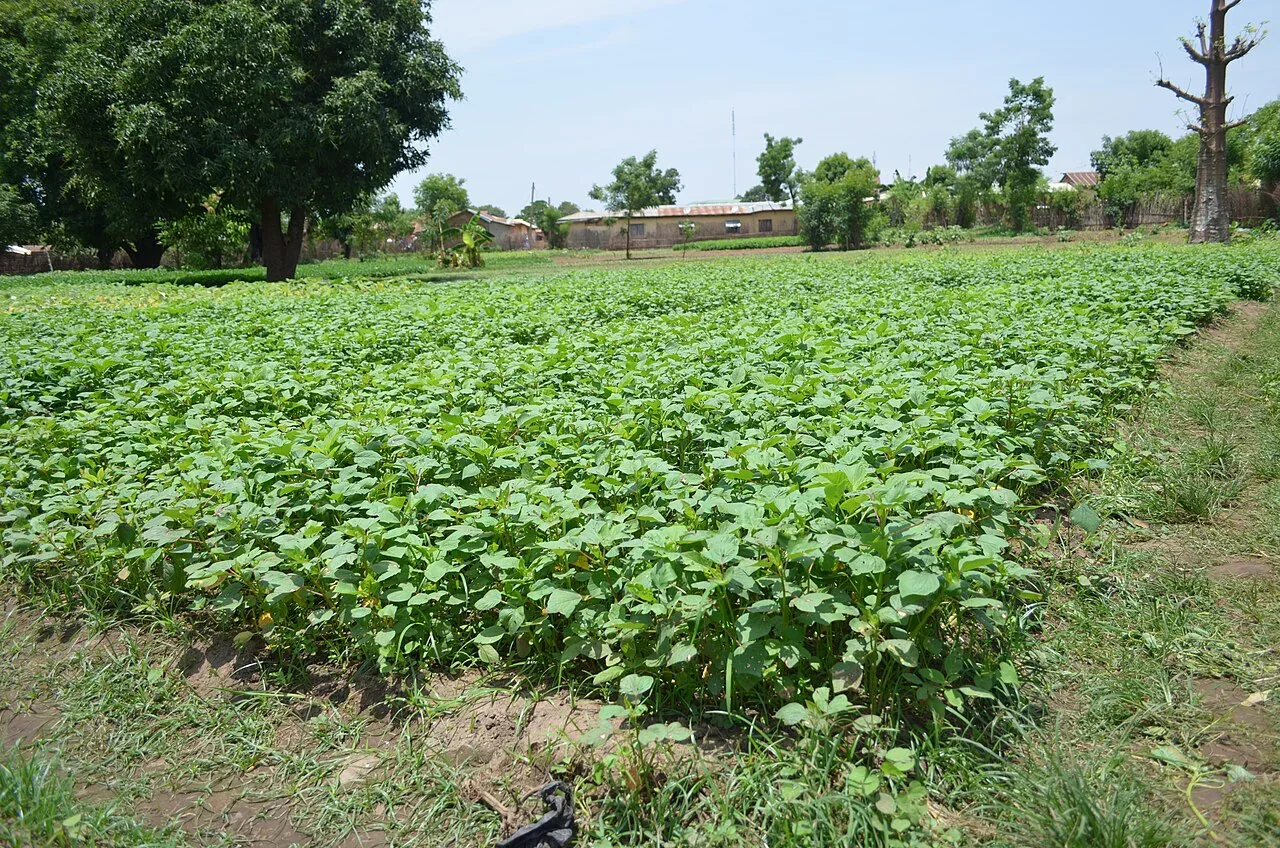
Sustainable food is food produced and eaten in ways that reduce avoidable environmental harm while sustaining people’s ability to grow, access and enjoy it. That means looking beyond a package label: farming practices, land use, ingredients, storage and whether the food gets eaten all matter. For an everyday choice, start with what is in the meal and what your household can use, then consider how it was produced.
A food’s footprint begins before it reaches a shelf
Food moves through a chain: growing or raising, processing, transport, storage, cooking and disposal. Each stage uses resources and can produce greenhouse gases, but their contributions are not equal. The United Nations explains that agriculture and land use account for the largest share of food-related emissions, while transport and packaging are generally smaller parts. [1]
That distinction helps make the term useful. A distant ingredient is not automatically worse than a nearby one if its production has a larger impact. Likewise, a recyclable package does not make a resource-intensive meal sustainable by itself. Consider the whole chain, with special attention to what the food is and how it was produced.
What is on the plate matters
Plant foods such as beans, lentils, grains, nuts, fruits and vegetables generally use less land, energy and water and have lower greenhouse gas intensity than animal-based foods, according to the UN. Red meat and dairy tend to have higher emissions, in part because of methane from ruminants, feed production and land use. [1]
This is a pattern, not a rule that every household must follow identically. Animal foods can be important for nutrition, food security and livelihoods in many places. A practical shift might mean making beans the main protein in one familiar dinner, rather than attempting a sudden overhaul of every meal. The choice can be shaped by taste, access, culture and nutritional needs.
Soil is part of sustainability too
Food production depends on soil’s capacity to support plants and perform other functions. USDA’s Natural Resources Conservation Service defines soil health as the continued capacity of soil to function as a living ecosystem; it describes roles such as growing plants, absorbing and storing water, and recycling organic matter. [2]
The same agency distinguishes inherent properties, such as texture and slope, from dynamic properties that management can change over time. [2] That matters because “sustainable farming” cannot mean applying one practice everywhere. A field’s natural limits and local conditions affect which methods are suitable. As an eater, you may not be able to assess a farm’s soil from a label, but you can recognize soil care as one important dimension rather than a shortcut definition.
Eating what you buy completes the decision
A meal that is produced thoughtfully still carries wasted resources if it spoils uneaten. The UN describes food waste as a source of emissions and lost land, water and energy; the EPA recommends planning meals, checking existing supplies and buying quantities likely to be used. [1] [3]
For example, if a recipe calls for a bunch of greens but you cook at home only twice this week, plan the second use before adding the bunch to your basket. That might mean folding the remainder into soup or an omelet. The useful question is not whether every scrap is rescued, but whether your buying habits routinely exceed your household’s real capacity to eat the food.
Use a few questions, not a perfect score
When comparing options, ask: Is this mostly plant-based? Is there a credible reason to think the production protects land or soil? Will I use the quantity I buy? Do I have a lower-waste option that still works for my budget and routine? These questions focus attention on choices with a plausible effect without pretending you can calculate a precise footprint at the shelf.
A common mistake is to equate “sustainable” with local, organic, unpackaged or seasonal alone. Each may matter in particular circumstances, but none captures the full food system. The UN notes that what people eat often matters more for climate impact than how far food travels or how much packaging it has. [1] Make one manageable adjustment, then keep the foods and routines that make it stick.
Follow the evidence
Primary sources used in this story. Practical examples are illustrative unless a source states otherwise.
- UN: Food and climate change ↗
- USDA NRCS: Soil health in Virginia ↗
- US EPA: Preventing wasted food at home ↗
Read our editorial standards. Have a correction? Identify the article and relevant source in your feedback to the site owner.