tree day
Guide
What is seasonal eating?
Seasonal eating means choosing foods that are naturally harvested or available in your region at a particular time of year. Here is how to identify what is in season, adapt the idea to real kitchens and avoid turning it into a rigid rule.
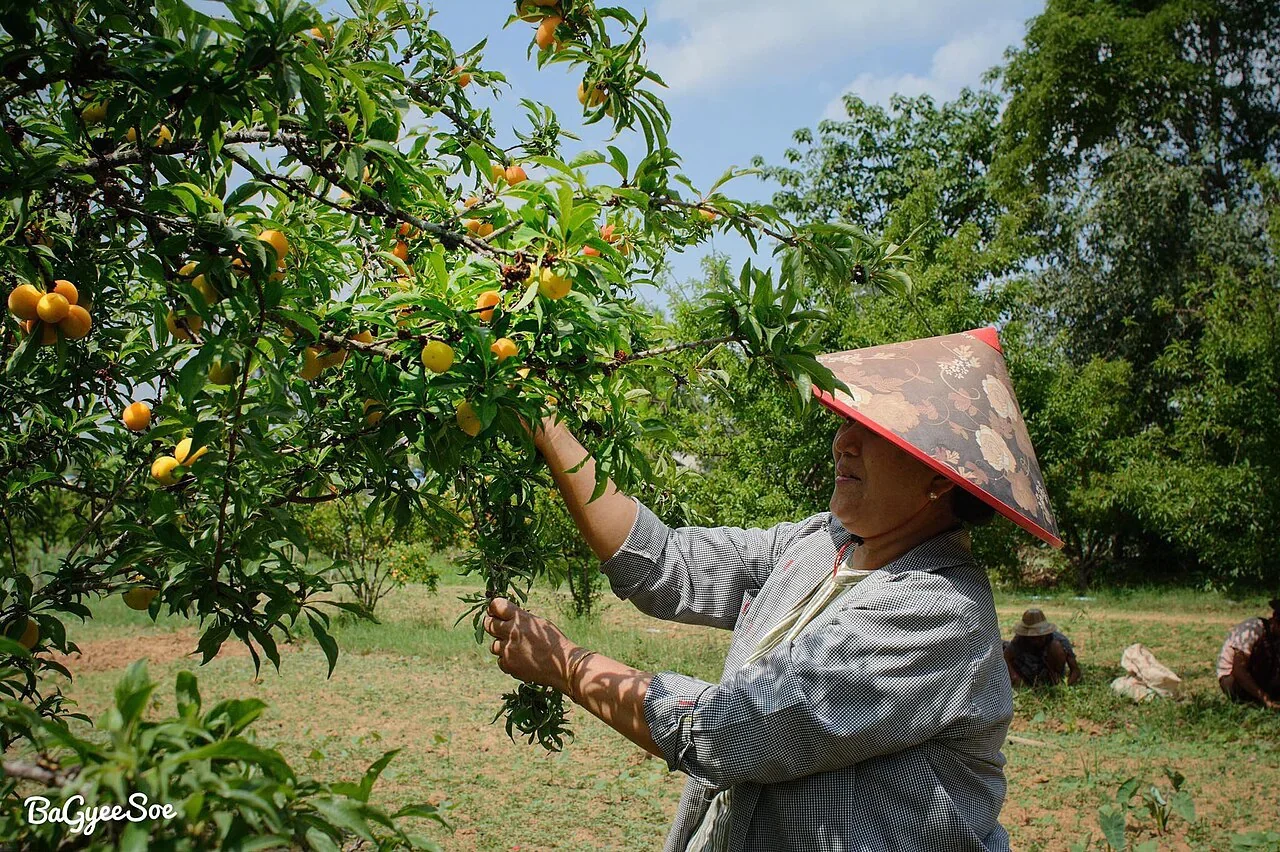
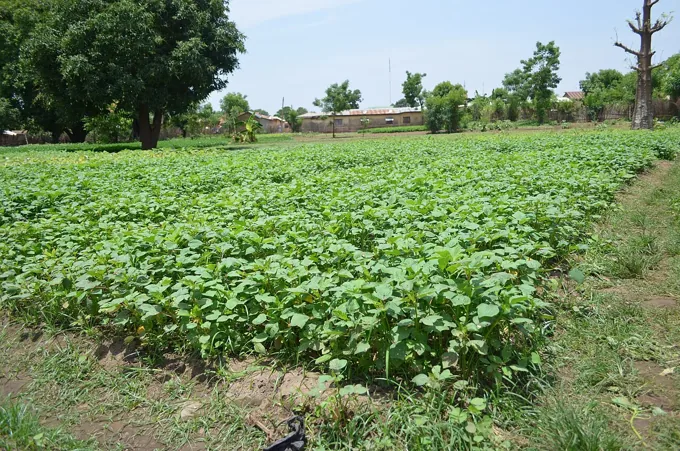
Seasonal eating means choosing foods that are naturally harvested or abundant in your region at the time of year you are eating them. In practice, that might mean fresh berries in a local summer or stored squash in colder months. It is a flexible way to plan meals around availability, not a demand to eat only what was picked nearby that morning.
Season depends on place as well as calendar
There is no single seasonal calendar for the whole country. A crop’s harvest window depends on climate, elevation, weather and growing conditions, so a food that is in season in one region may be out of season in another. Storage also matters: apples or winter squash may remain available after harvest, while delicate produce is more likely to be sold close to harvest.
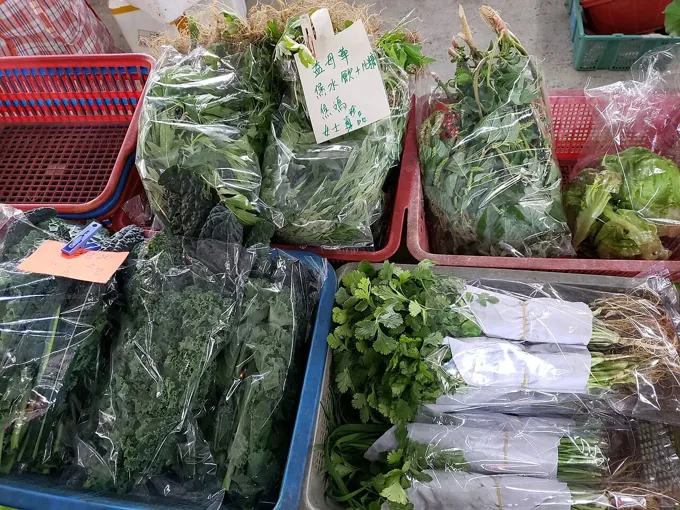
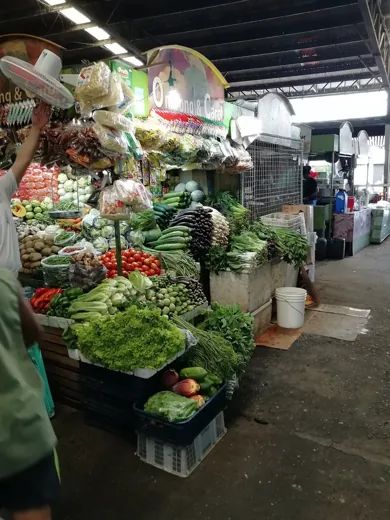
A farmers market, local farm newsletter or produce sign can offer clues about what is being harvested nearby. In a grocery store, ask about origin and whether an item is fresh, stored or shipped. You do not need perfect information to use the idea; even learning which two or three crops are abundant locally this month can shape a meal plan.
Why people choose to eat seasonally
Seasonal choices can make shopping more responsive to what is abundant, add variety over the year and introduce foods that are easy to overlook when the same produce is stocked every week. If a crop is plentiful, it may also be easier to buy enough for several meals, though price and availability vary by location and season.
Seasonality alone does not prove that a food has a lower environmental impact. The United Nations explains that food impacts arise through production, land use, processing, transport, storage, preparation and disposal; it also says transport and packaging are generally smaller contributors than production. [1] A local crop grown with energy-intensive heating, for instance, raises a different question from a field crop harvested in its natural window.
Build a meal around the harvest
A simple approach is to choose a flexible meal template rather than a fixed recipe. Think grain or bread, a protein, and a vegetable or fruit; then swap the seasonal ingredient. In a hypothetical autumn kitchen, a pot of beans and grains could take roasted squash one week and cabbage the next, depending on what is available and what the household enjoys.
The point is not to buy unfamiliar produce just because it is seasonal. Before purchasing a large amount, decide how it will fit into meals you already make. A versatile ingredient can become a side dish, soup addition or lunch filling, making it easier to use the full quantity.
Stored and frozen foods still have a place
Seasonal eating does not mean avoiding food that has been stored or frozen. Preserving a harvest extends availability beyond its picking window, and frozen foods can be convenient when fresh produce is costly, scarce or likely to spoil before you use it. The environmental picture depends on the crop, how it was produced and how it is stored; the available sources do not support a universal ranking of fresh, frozen and preserved options.
Likewise, imported foods can be part of a practical diet. The UN notes that what people eat can matter more for climate impact than how far food has traveled. [1] A seasonal habit works best as a way to broaden choices, not as a test people must pass at every meal.
Let your shopping rhythm prevent waste
Buy a quantity that matches your week. The EPA recommends checking what is already in the refrigerator, freezer and pantry, planning meals around foods that need to be used and noting quantities on a shopping list. [2] If a seasonal bargain tempts you to buy more than you can eat, the resource savings of choosing an abundant crop are undermined when it spoils.
Try one small next step: find out what is being harvested locally now, pick one item you like, and plan two uses before you buy it. If it does not suit your kitchen, choose another crop or return to familiar foods. Seasonal eating is most useful when it makes meals easier to plan and food easier to enjoy.
Follow the evidence
Primary sources used in this story. Practical examples are illustrative unless a source states otherwise.
Read our editorial standards. Have a correction? Identify the article and relevant source in your feedback to the site owner.