FAO’s September food commodity index rose 1.5 per cent from August. The October release points to weather concerns and transport disruptions affecting crop-based commodities.
Regenerative agriculture is a broad approach to managing farms with the aim of rebuilding soil function and improving land over time. The term is not a single practice, so ask what a farm is doing and how it evaluates change.
Crop rotation means growing different crops in a planned sequence on the same field over time. The sequence can help diversify farm management, but it must fit local soils, climate, markets and the crops being grown.
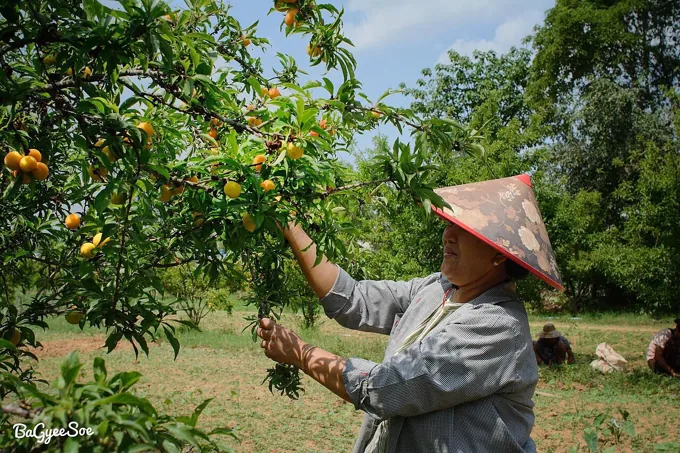
Agroforestry combines trees or shrubs with crops or livestock on the same land. Its design depends on the site and the goals for production, so the presence of trees alone does not show how well a system works.
Sustainable food considers how food is grown, processed, moved, eaten and discarded. Learn which choices tend to matter most, how soil and food waste fit in, and how to make a practical decision without chasing a perfect label.
A food forest is a deliberately layered planting of edible trees, shrubs, perennial plants and ground cover, designed to function more like a small ecosystem than a row-crop garden. Its form depends on place, purpose and upkeep.
Organic and conventional describe different production rules and choices, not a simple environmental score. Compare the food you buy, the farm practices that matter to you and whether the food will be used rather than wasted.
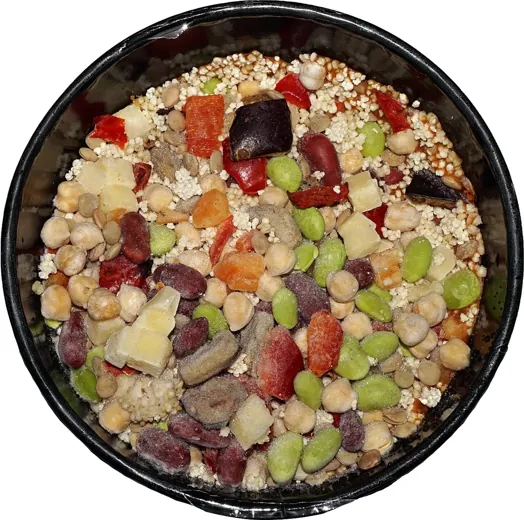
Start plant-based eating with familiar meals and one satisfying swap at a time. Learn a flexible meal formula, see a hypothetical weeknight example, and avoid the common trap of changing too much before you know what works.
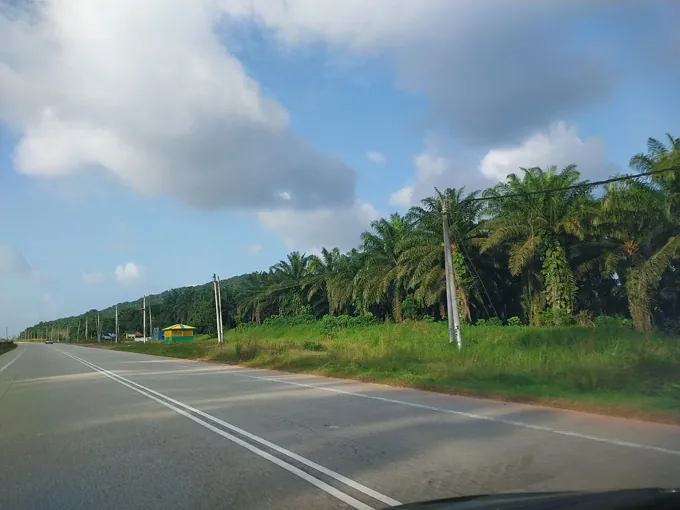
Sustainable palm oil refers to production intended to reduce environmental and social harms associated with palm cultivation. Assess claims by checking what standard, sourcing scope, and verification they describe.
Seasonal eating means choosing foods that are naturally harvested or available in your region at a particular time of year. Here is how to identify what is in season, adapt the idea to real kitchens and avoid turning it into a rigid rule.
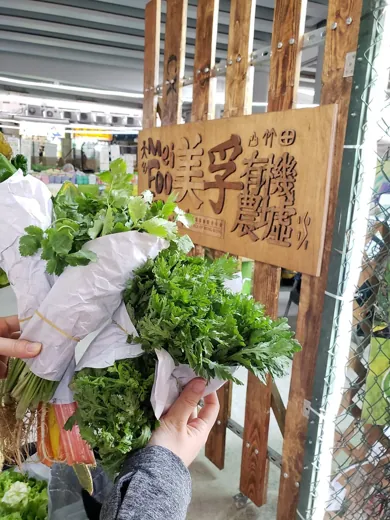
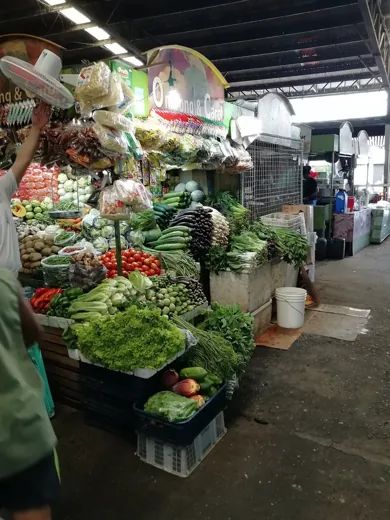
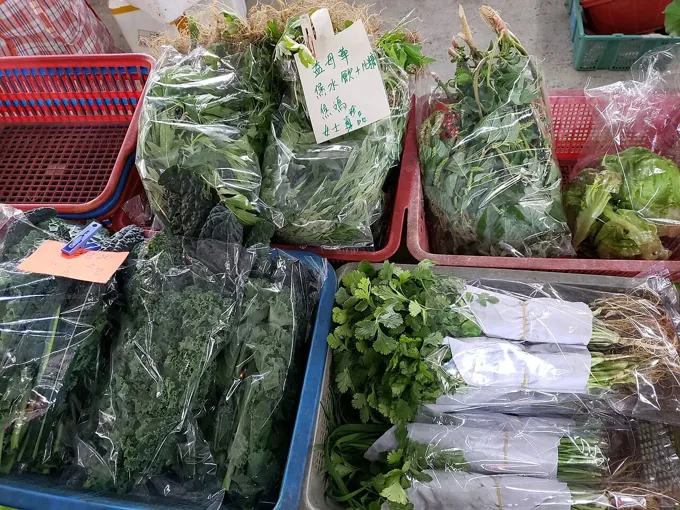
A farmers market is easiest to shop when you arrive with a loose meal plan, ask a few clear questions and buy quantities your kitchen can use. Learn how to compare produce, support local growers and avoid impulse purchases that go to waste.
Soil erosion happens when wind or water carries exposed soil away. Learn how bare ground, slope, and disturbed cover contribute, and how to choose prevention measures that fit the site.
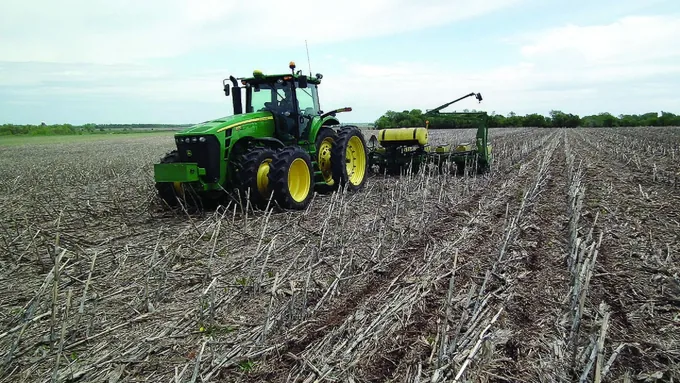
No till farming grows crops without the usual full-field plowing or soil inversion, though planting still requires some soil disturbance. Its suitability depends on the field, equipment and broader management plan.
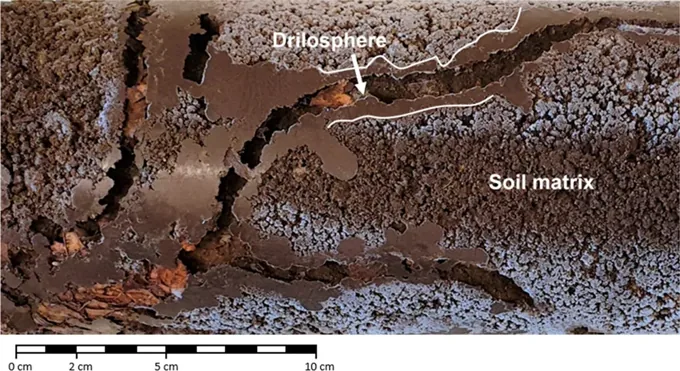
Healthy soil supports plant growth, stores and moves water, and recycles nutrients. Understanding those linked jobs helps gardeners and food shoppers see why soil condition matters beyond a good harvest.
Deforestation-free food is a claim that production did not drive forest clearing within a defined scope and period. Understand the supply-chain boundary, evidence, and limits before relying on the label.
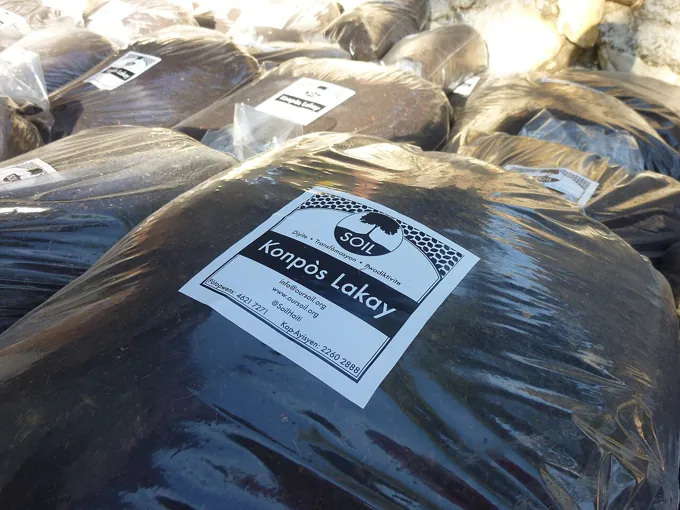
Soil organic matter is material from once-living plants and organisms at different stages of decomposition. It supports soil structure and nutrient cycling, but its role depends on soil type and conditions.
Local describes where food was produced; seasonal describes when it is naturally available in a place. The terms can overlap, but neither guarantees a lower footprint, so compare production, storage, transport and what you will actually eat.
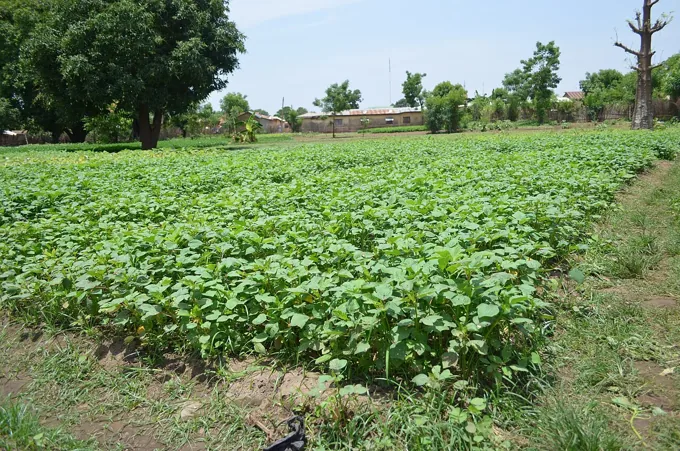
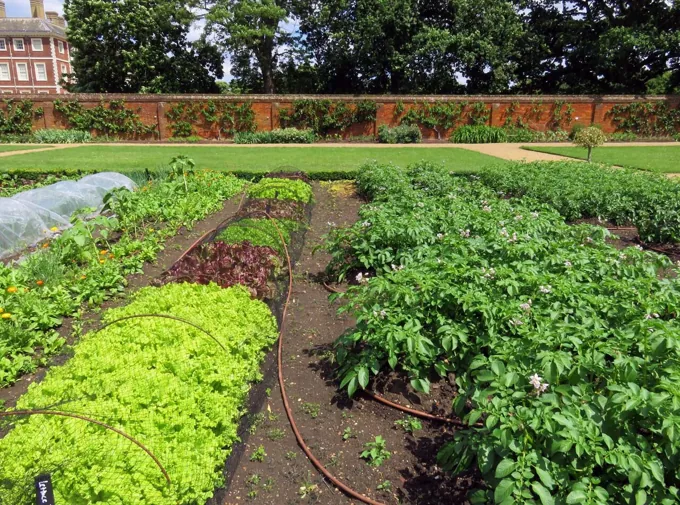
Start a kitchen garden by matching a few crops to your space, season and available light, then prepare soil or containers for those specific plants. A small harvest you can use beats a crowded bed that demands more care than your routine allows.
 tree day