tree day
Guide
What is a food forest?
A food forest is a deliberately layered planting of edible trees, shrubs, perennial plants and ground cover, designed to function more like a small ecosystem than a row-crop garden. Its form depends on place, purpose and upkeep.
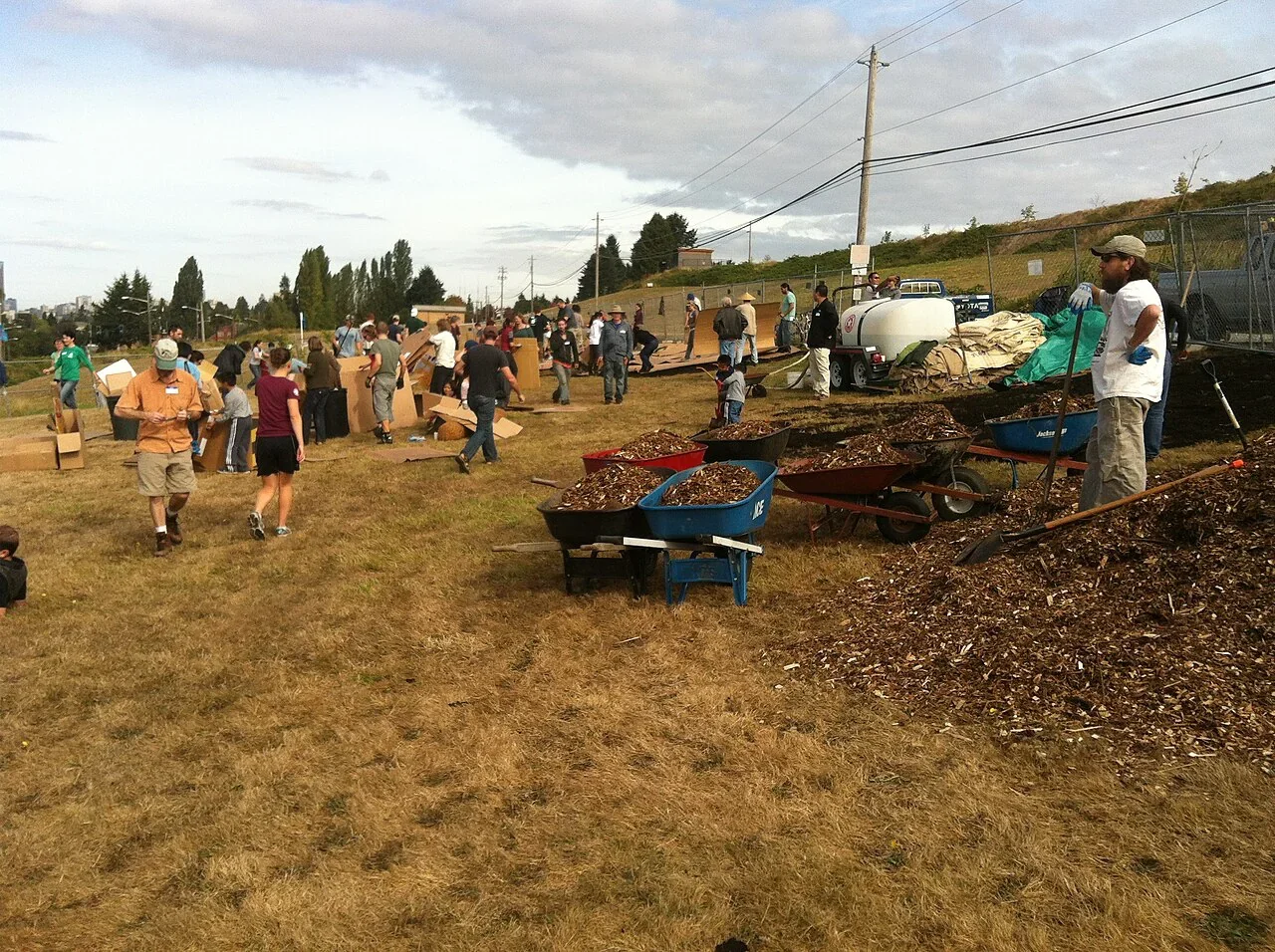
A food forest is a garden or managed landscape where edible plants occupy several layers, from fruiting trees above to herbs and ground cover below. The aim is to grow a range of useful plants together, often with perennial species that return year after year. It is not simply a wild wood full of food, nor a fixed recipe: climate, soil, available space and the people caring for it determine what belongs there.
Think in layers, not a crowded orchard
A typical design might include a canopy tree, smaller fruit or nut trees, berry shrubs, herbaceous plants, climbing vines and low ground cover. The layers use different amounts of light and occupy different heights. Some plants may also contribute flowers for pollinators, edible leaves, mulch or habitat. A compact garden might use only three or four layers; a large site can support more.
The word “forest” describes the layered structure and ecological inspiration, not a promise that every plant can thrive without attention. Trees need room for mature crowns and roots, and the understory must suit the shade that develops as the planting grows. A sun-loving crop placed beneath a dense canopy may struggle even if the overall design looks diverse.
Choose plants for your actual conditions
Start with the site rather than a list of fashionable species. Check seasonal sunlight, slope, drainage, exposure, soil texture and the amount of water available during dry periods. Soil has both inherent characteristics, such as depth and texture, and properties that can shift gradually with management; a planting plan should work with those limits rather than assume they can all be corrected [2].
Then decide what the planting is meant to provide: fruit for household use, herbs, shade, habitat, or a shared harvest. Select species and varieties suited to local climate and available space, and check whether they need compatible pollinators or particular care. A food forest in a small, dry yard will look different from one in a humid community orchard. Local extension services or experienced regional growers can help identify appropriate plants.
A small example makes the design concrete
Imagine a household with a sunny strip beside a fence. A hypothetical plan might place one appropriately sized fruit tree toward the north side, so it casts less shade on the rest of the bed; berry shrubs could sit beyond its mature canopy, with culinary herbs and low-growing strawberries in brighter gaps. A trellis might support a suitable vine if the fence and sunlight allow it. The residents could add leaf mulch and keep a clear path for picking and pruning.
This example is a starting sketch, not a universal layout. In the Southern Hemisphere, sun direction differs; on a narrow or shaded lot, the tree choice and placement may need to change. A mature canopy can shade neighboring plants, and roots compete for water and nutrients. Sketch mature dimensions, not just the size of nursery plants, before buying.
Diversity helps, but does not remove work
A mix of species can spread harvests across the season and reduce dependence on one crop. Perennials also avoid the annual cycle of replanting many crops. Still, young trees need establishment care, plants can suffer pests or disease, and a dense planting can make harvesting or airflow difficult. Some edible species spread aggressively, while others require regular thinning or protection from browsing animals.
Food forests are not automatically more productive, lower-water or easier to maintain than every alternative. Their performance depends on species, soil, weather and management. The United Nations notes that food production affects climate through growing, land use, processing, transport, consumption and disposal; reducing avoidable food waste also prevents resources used to produce food from being wasted [1] [3]. A diverse garden helps only when its harvest is actually used.
Begin with a modest, observable step
Before planting, spend time watching where sun falls, where water collects and which areas are used for walking or storage. Test the soil if that would change plant choices, and look up locally recommended species and any relevant rules for shared or public land. Draw paths and mature plant sizes, then begin with a manageable section rather than filling the whole space at once.
For a first season, a few well-chosen plants may teach more than a complicated design. Keep notes on survival, shade, harvest timing and what the household eats. If the site is too dry or small for a tree, edible shrubs and perennial herbs can still create a layered garden. Choose the first plants around the site’s real constraints, then let observation guide the next layer.
Follow the evidence
Primary sources used in this story. Practical examples are illustrative unless a source states otherwise.
- UN: Food and climate change ↗
- USDA NRCS: Soil health in Virginia ↗
- US EPA: Preventing wasted food at home ↗
Read our editorial standards. Have a correction? Identify the article and relevant source in your feedback to the site owner.