tree day
Environment news · Development: 2 Oct 2026
FAO reports higher food commodity prices amid weather and shipping pressures
FAO’s September food commodity index rose 1.5 per cent from August. The October release points to weather concerns and transport disruptions affecting crop-based commodities.
Rome, Italy / Global markets
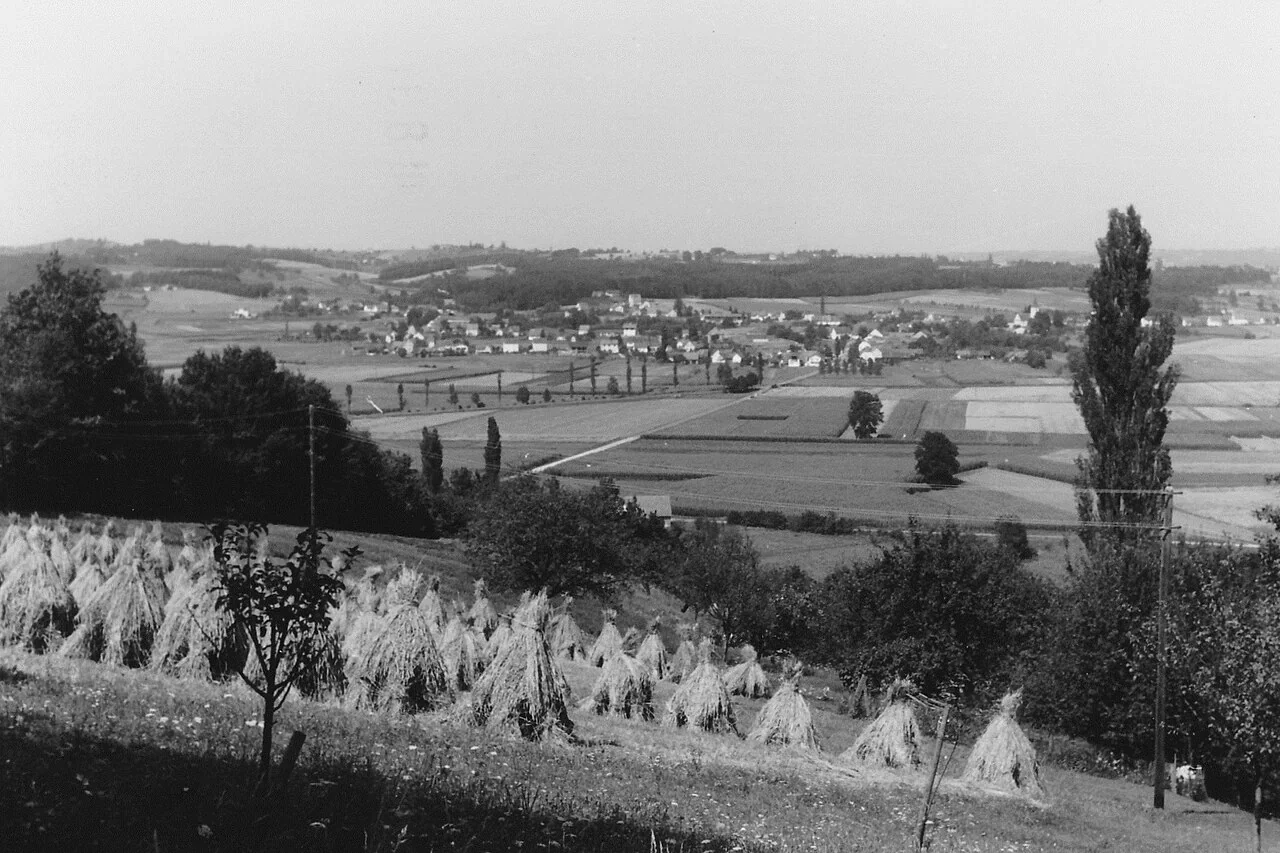
FAO’s Food Price Index rose to 136.0 points in September, up 1.5 per cent from August, the UN agency reported from Rome on 2 October. It linked the increase to weather concerns and transportation disruptions, with higher cereal and sugar quotations contributing to the monthly rise. [1]
Weather and logistics both affected markets
FAO cited dry conditions affecting crop prospects alongside Black Sea shipping constraints. Prices moved differently across the basket: cereal and sugar indices rose, while meat and dairy indices edged down. The release also included crop production forecasts, which remain estimates rather than final harvest results. [1]
The mixture matters when interpreting the environmental link. This release identifies particular weather pressures within a wider market picture; it does not calculate the share of the overall increase attributable to climate change. Treating all price movement as one climate effect would lose the trade and supply details.
The index is an early market signal
The index tracks international prices for globally traded food commodities. [1] Household grocery prices involve additional local costs and conditions, so the monthly index movement cannot be applied directly to a particular shopping bill.
The UN describes food systems as both affected by climate change and a source of emissions. [2] The October update illustrates one route by which environmental conditions enter economic decisions: expectations about crops can influence commodity markets before a harvest is final. Subsequent price and production updates will show how those expectations evolve.
Follow the evidence
Primary reporting and background sources. Event dates and publication dates are shown separately above.
- Food and Agriculture Organization of the United Nations: FAO Food Price Index rises in September amid weather concerns and transport disruptions ↗
- UN: Food and climate change ↗
Read our editorial standards. Have a correction? Identify the article and relevant source in your feedback to the site owner.