tree day
Guide
Plant based meals for beginners?
Start plant-based eating with familiar meals and one satisfying swap at a time. Learn a flexible meal formula, see a hypothetical weeknight example, and avoid the common trap of changing too much before you know what works.
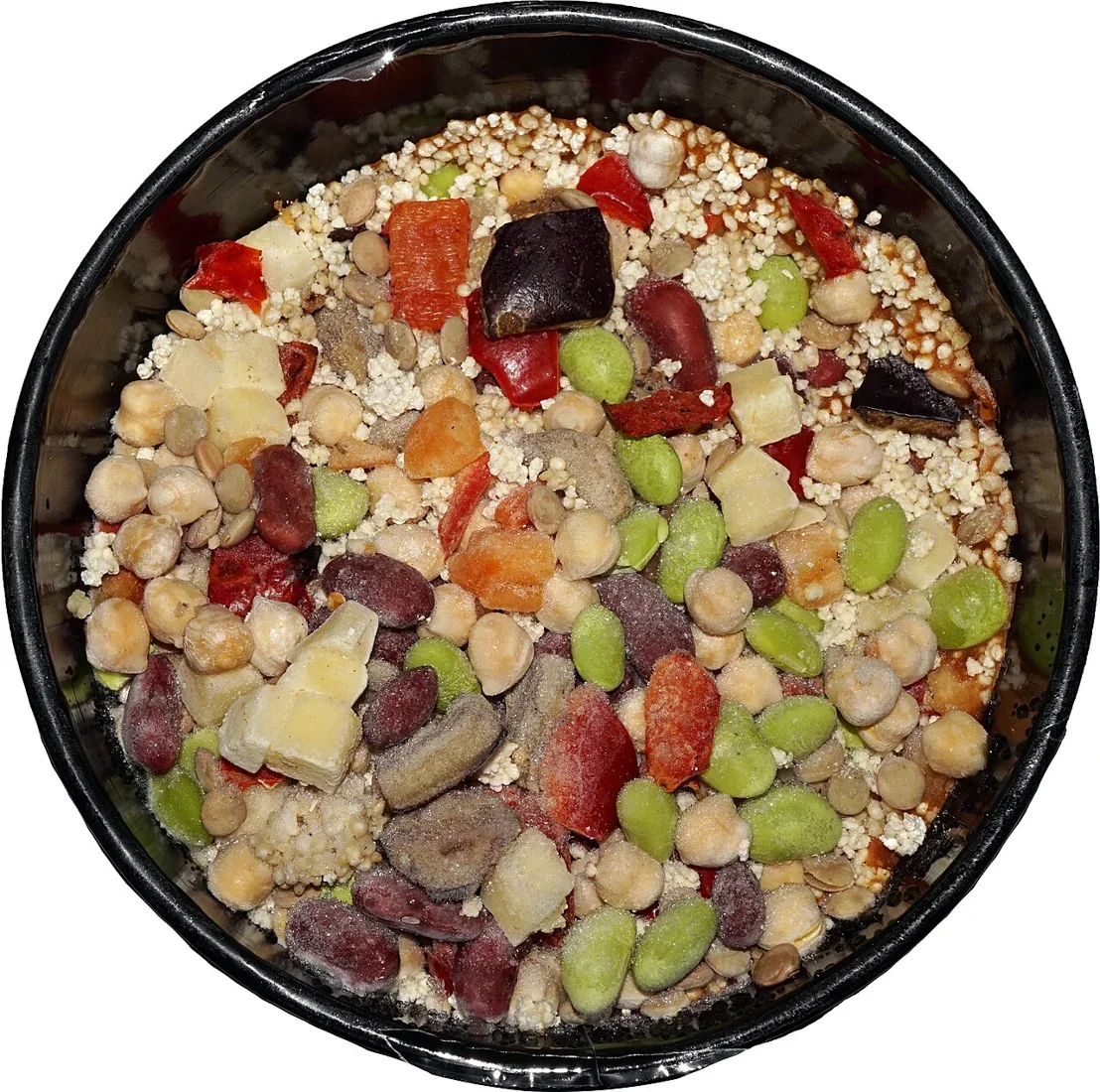
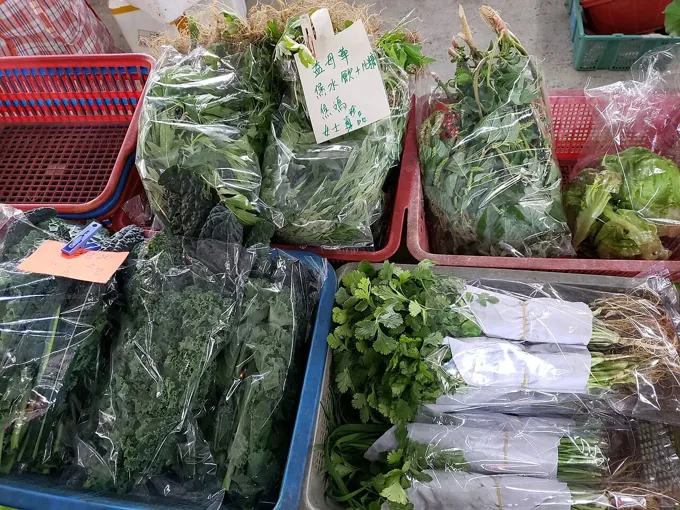
A beginner-friendly plant-based meal can be as familiar as beans in a taco, lentils in a soup or tofu in a stir-fry. The easiest way to start is to keep the shape of meals you enjoy and replace or reduce one animal-based ingredient at a time. Plant foods generally have lower greenhouse gas intensity than animal-based foods, but a sustainable change also has to fit your appetite, access and routine.
Start with a meal you already like
Pick a familiar dish rather than searching for a perfect new menu. If you often make chili, try adding beans and vegetables while using less meat, or make a bean-forward version. If pasta is a regular dinner, lentils can add body to a tomato sauce. These changes preserve recognizable flavors and reduce the pressure to learn several new cooking techniques at once.
The United Nations says plant-based foods—including beans, peas, lentils, grains, nuts, fruits and vegetables—typically require fewer resources—including water, land and energy—and produce fewer greenhouse gases than animal-based options. [1] It also recognizes that animal products can remain important sources of nutrition and livelihoods in many settings. [1] For an individual beginner, the useful point is that adding satisfying plant foods is a reasonable direction, not that one meal has to meet a rigid standard.
Use a simple plate-building pattern
A practical meal can combine a filling base, a protein-rich ingredient and vegetables or fruit, with a sauce or seasoning that brings it together. Think rice, beans and sautéed vegetables; oats, nuts and fruit; or pasta, chickpeas and greens. There is no required formula, and nutritional needs vary, but building around ingredients that supply energy and flavor helps prevent a plant-based meal from feeling like an incomplete side dish.
When planning a substantial or long-term dietary change, consider reliable nutrition guidance for your circumstances, especially if you have specific health needs. This article is about everyday meal ideas, not individual medical advice. A gradual approach lets you learn which foods satisfy you and which recipes work for your household.
A hypothetical first week
Suppose your household usually cooks at home three evenings a week. You might make bean tacos on Monday, lentil soup on Wednesday and a vegetable stir-fry with tofu or edamame on Friday. This is an example, not a prescribed menu; use the foods and cooking styles you already enjoy. If one meal is unfamiliar, change only one thing—such as using beans as the taco filling—while keeping the usual salsa, tortillas and toppings.
The goal is to build a small set of repeatable meals. Once a dish works, note what you liked and keep its ingredients on your shopping list. A beginner does not need a pantry full of specialty products; common staples can do much of the work.
Make the switch affordable and low-waste
Beans, lentils and grains are useful because they can serve as meal foundations and are easy to combine with ingredients already at home. Buy the quantity you expect to use, especially when trying a new food. The EPA recommends checking pantry and refrigerator supplies, planning meals and avoiding bulk purchases unless the household can use the food before it spoils. [2]
A common mistake is buying several unfamiliar substitutes at once and then letting them expire. Try one item in one meal first. If it works, decide whether to buy it again. For produce, plan more than one use for a bunch or package so that the second half does not become an obligation at the end of the week.
Choose changes that last
The environmental value of a change depends on what it replaces and what you actually eat. The UN notes that reducing food waste also matters because wasted food carries the resources used to grow, process and move it. [1] [2] A plant-rich meal that your household enjoys and finishes is a more durable habit than an ambitious recipe that ends in the bin.
Next, choose one familiar meal and make a plant-forward version this week. Keep a note of whether it was satisfying, affordable and easy to prepare; adjust the ingredients before adding another new meal to your rotation.
Follow the evidence
Primary sources used in this story. Practical examples are illustrative unless a source states otherwise.
Read our editorial standards. Have a correction? Identify the article and relevant source in your feedback to the site owner.