tree day
Guide
What is crop rotation?
Crop rotation means growing different crops in a planned sequence on the same field over time. The sequence can help diversify farm management, but it must fit local soils, climate, markets and the crops being grown.
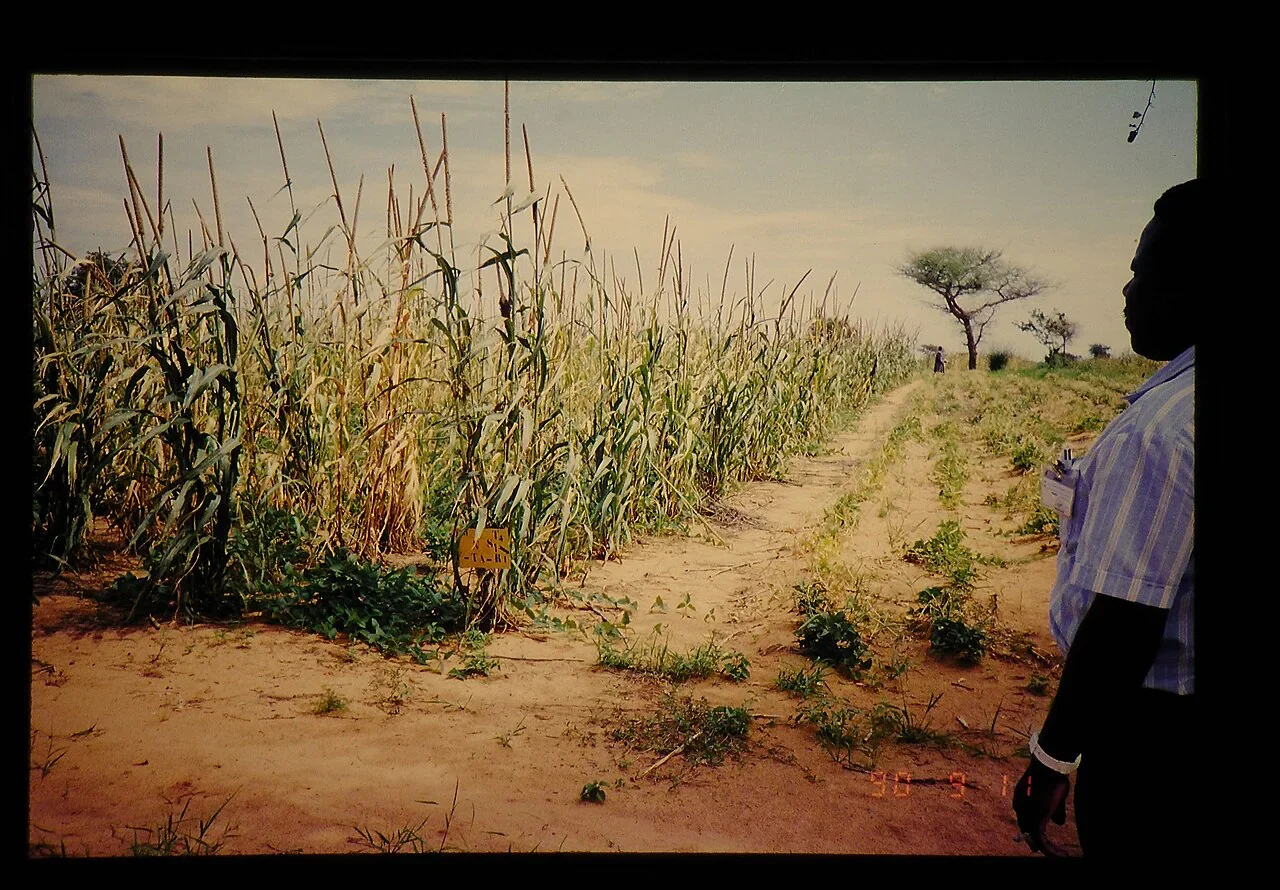
Crop rotation means growing different crops in a planned sequence on the same field across seasons or years. Instead of planting the same crop in the same place indefinitely, a grower changes what occupies that ground and when. The sequence is designed around the farm’s soil, climate, equipment, markets and production goals; simply switching crops at random is not a useful plan.
A sequence has a purpose
A rotation is a schedule for a particular field, not necessarily a fixed sequence used across the entire farm. A grower might alternate a cash crop with another crop that serves a different role, then return to the first crop later. The point is to organize several crop choices across time so they work together as a production system.
Rotations are often discussed alongside soil health because soil function reflects both inherent conditions and management. USDA’s Natural Resources Conservation Service describes soil health as soil’s capacity to function as a living ecosystem and notes that some soil properties can change with management while others, such as texture and slope, are largely inherent. A rotation must respond to both. [1]
Why vary what grows there?
Different crops can call for different planting, harvest and management decisions. A planned change in crops can therefore diversify what happens on a field over time. The benefits depend on which crops are selected and how they are managed; the label “rotation” alone does not establish an improvement in soil, yield or environmental impact.
A working soil supports plant growth, handles water and recycles organic material, according to NRCS. Growers may consider those functions when selecting a sequence. But soil varies by depth, landscape position, texture and other characteristics, and management changes can take time. A crop sequence cannot erase those starting conditions. [1]
Plan around the whole farm
A useful rotation has to fit more than agronomy. Each crop needs suitable planting and harvest windows, equipment, labor and a buyer or use. A sequence that sounds promising on paper may be impractical if the farm cannot harvest a crop at the right time or store it safely. The grower also needs to consider local weather patterns and what the soil can support.
For example, imagine a farm that grows one crop and is considering adding another in a later season. Before changing the plan, the grower could check whether the second crop fits the field’s soil and climate, whether the farm has suitable equipment, and whether its harvest fits labor and sales plans. This hypothetical example shows the planning process; it does not prescribe a crop pairing or guarantee a result.
Rotation is different from a single soil practice
Crop rotation changes the crop sequence over time. It is not the same thing as keeping soil covered between cash crops or changing how much a field is disturbed, though a farm may combine these management choices. Each practice addresses a different part of the production calendar, and the value of one does not prove the value of another.
The UN includes rotational grazing among agricultural practices that can help reduce greenhouse gas emissions, but rotational grazing refers to livestock management and is distinct from rotating crops. That distinction matters when reading a climate claim: do not treat a source about grazing as evidence for a specific crop rotation system. [2]
Start with one field and a clear constraint
A farmer considering a rotation can begin by mapping the field’s current crop history, soil conditions, equipment access and intended market. Then identify the reason for changing the sequence—such as diversifying production or addressing a particular soil management goal—and check whether a proposed crop fits the local conditions. Local extension or agricultural advisers can help assess regional crop options.
Next season, make a simple field-by-field record of what was planted and what constraints shaped the choice; that record is the starting point for a rotation that fits the farm rather than a generic template.
Follow the evidence
Primary sources used in this story. Practical examples are illustrative unless a source states otherwise.
Read our editorial standards. Have a correction? Identify the article and relevant source in your feedback to the site owner.