Start a food sharing group with a clear, small purpose, a dependable handoff method and rules that protect food safety and privacy. Begin with surplus food among people who know one another, then adapt only after learning what local partners can accept.
Reduce waste when eating out by choosing portions you expect to finish, declining extras you do not need and planning for leftovers before ordering. A simple request made early is easier for staff to accommodate than a complicated cleanup at the end.
Sustainability labels cover different issues, from climate and sourcing to farming practices. Learn to identify a label's scope, standard, and verification so you can compare claims without overreading them.
A low-waste picnic begins with a realistic headcount, a menu that uses ingredients fully and a packing plan that favors what you already own. Make disposal arrangements locally, since recycling and compost acceptance differ by place.
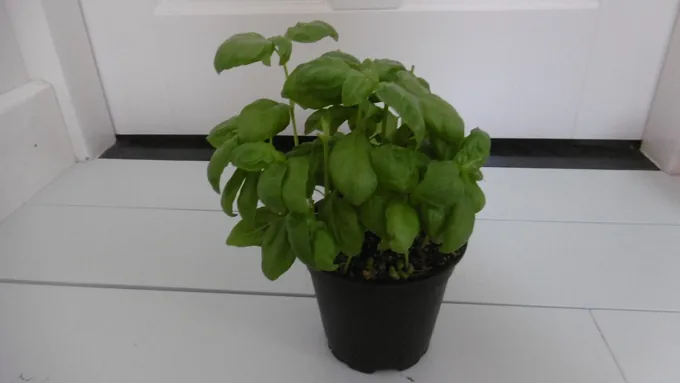
Choose herbs to match the light and temperature you actually have, then grow them in separate, well-drained pots. A modest setup and frequent small harvests are more reliable than crowding many plants together.
Compare food claims by asking which impact, production stage, quantity and comparison the claim measures. A single label or distance figure rarely describes a food’s full environmental footprint.
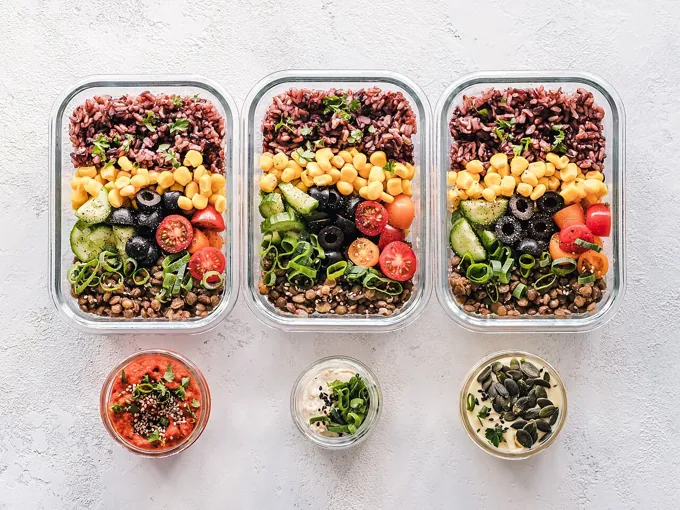
Choose food containers by the meals you carry, the way you clean them and how long you expect to reuse them. Fit, leak resistance and a lid that stays matched to its base matter more than buying a complete new set.
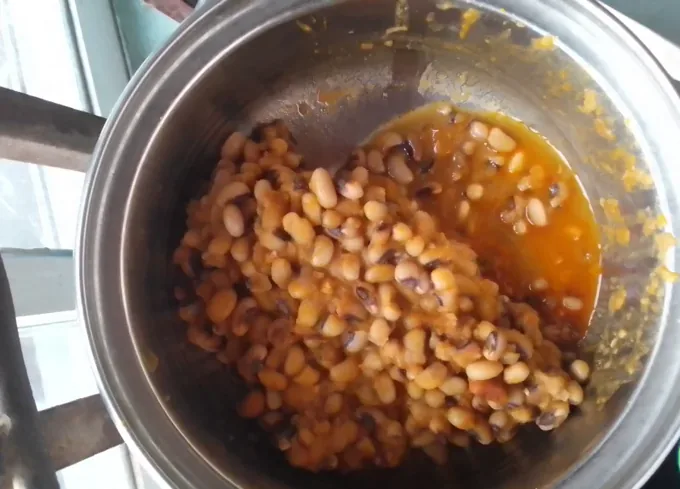
Beans fit into familiar meals when you add them for texture, body or protein rather than treating them as a separate side. This guide offers easy swaps, a practical example and ways to store and use quantities you can finish.
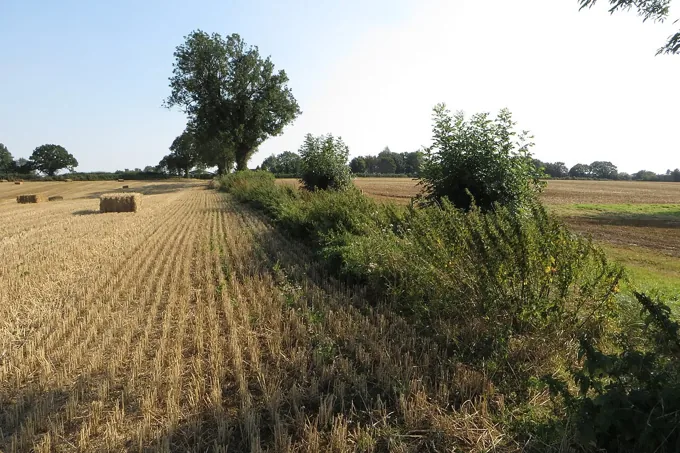
Farming can shape biodiversity through land conversion and day-to-day management. The effects vary by crop, place, and practice, with consequences for wildlife habitat, soil life, and food production.
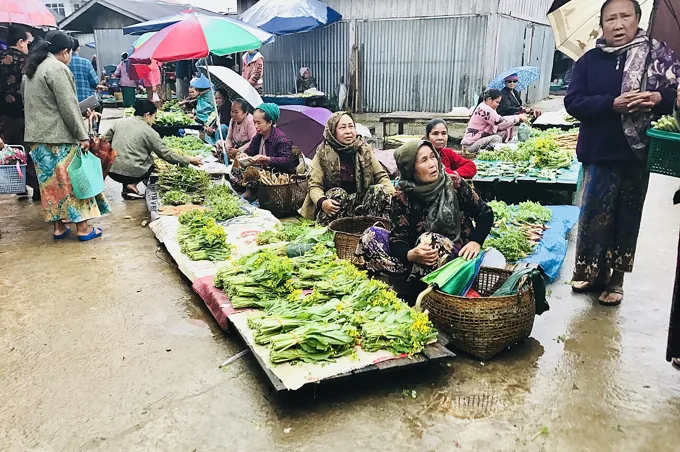
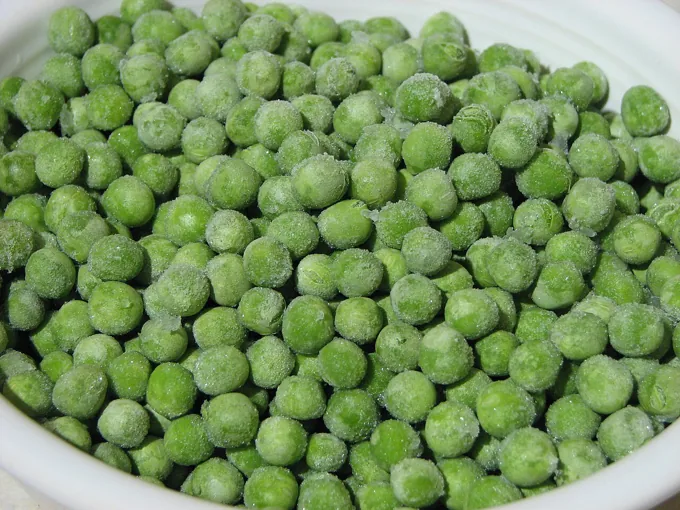
Fresh and frozen vegetables can both be environmentally sound choices. The better option depends on what you will eat, how it was produced and stored, and whether a fresh purchase is likely to spoil.
Food miles measure distance traveled; a food footprint includes production, land use, processing, transport, storage and waste. Learn when distance is informative, why it can mislead and what to compare when choosing between foods.
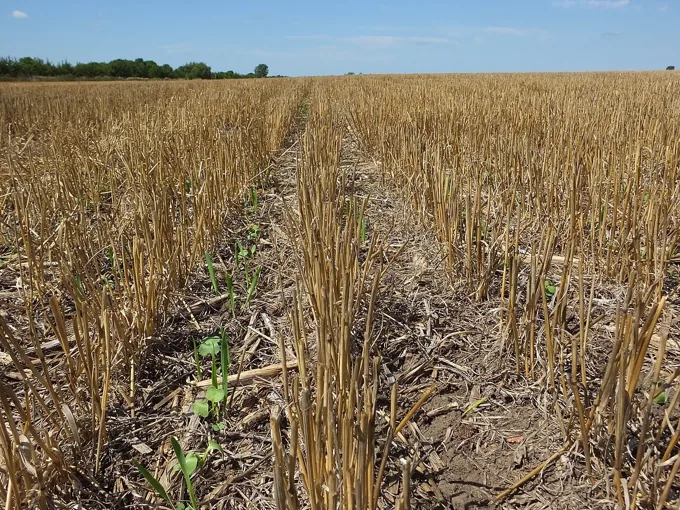
Cover crops are plants grown mainly to cover soil during a period when a main crop is absent or not covering the ground. Whether they fit depends on the farm calendar, water, climate and intended use.
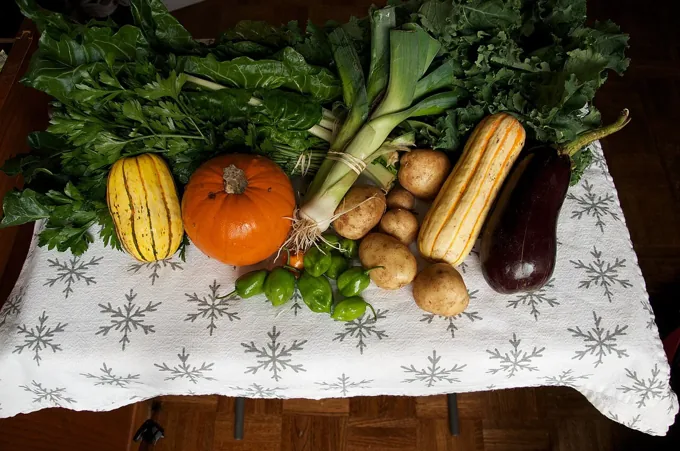
Community supported agriculture, often called CSA, is a way to buy a recurring share of a farm’s harvest, usually with seasonal variety and some uncertainty. Compare the pickup, share size, price and flexibility with how your household cooks.
 tree day