tree day
Guide
How to plan a low waste picnic?
A low-waste picnic begins with a realistic headcount, a menu that uses ingredients fully and a packing plan that favors what you already own. Make disposal arrangements locally, since recycling and compost acceptance differ by place.
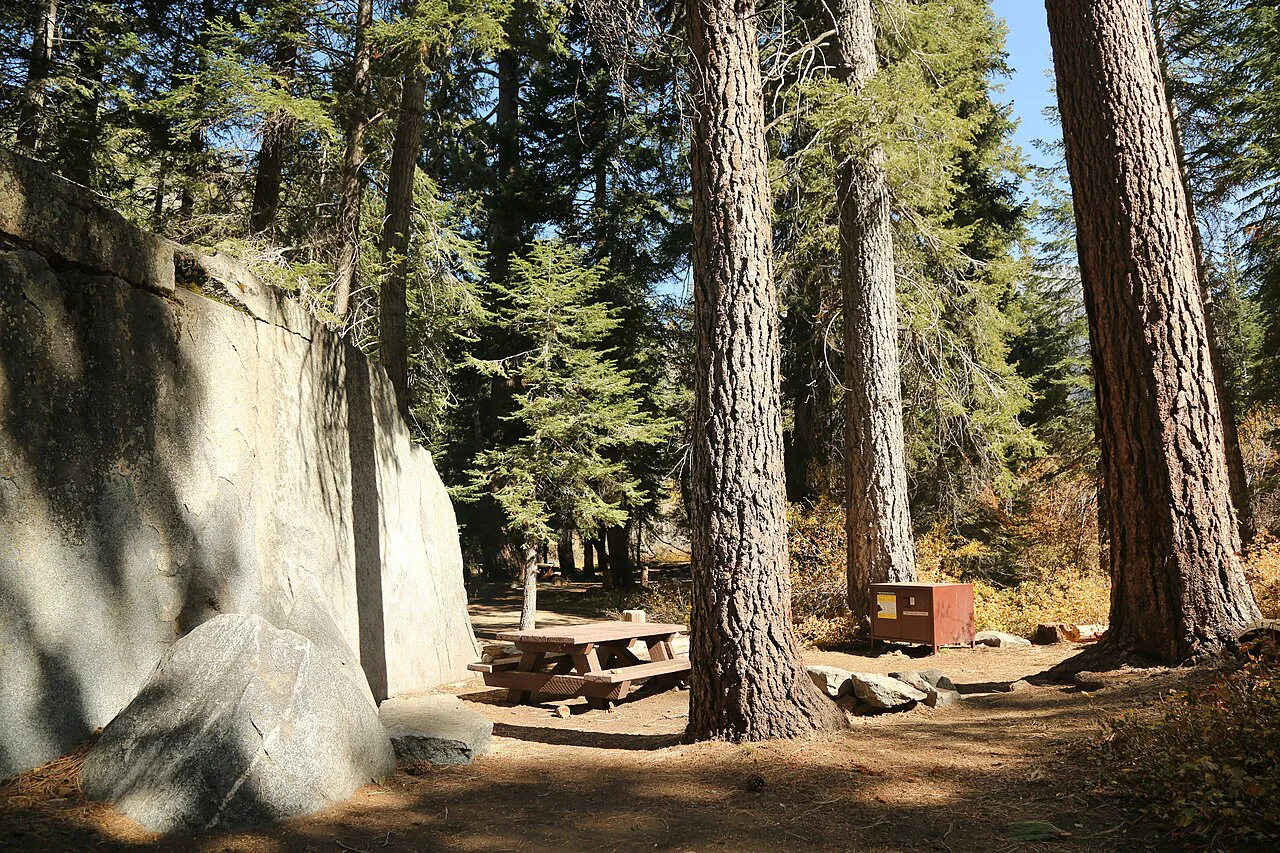
The easiest low-waste picnic is usually the one packed for the people who are actually coming. Confirm the headcount, check what food is already at home, and choose a menu that can be portioned and carried without a stack of single-use extras. Reusables help when they are convenient and will be brought home; a local disposal check matters because recycling and compost rules vary.
Build the menu around the group
Ask about dietary needs and likely appetites, then plan a few dishes that share ingredients. A grain salad, cut vegetables and fruit, for example, can use overlapping produce without requiring a different package for every item. Choose food that travels well and can be served in portions; a large platter is less useful if the group has nowhere clean to set it down.
Estimate quantities from the actual gathering rather than buying extra “just in case.” The EPA recommends planning meals, checking what is already on hand and buying only what is expected to be used. Those same habits reduce the chance that picnic ingredients end up forgotten afterward. [1]
Pack for carrying and serving
Use containers, plates and utensils you already have if they fit the trip. A lidded container can carry a dish and later hold leftovers; cloth napkins or a washable towel can serve more than one purpose. Bring a bag for used items so clean and dirty gear stay separate on the journey home.
Avoid buying a new matching set just to make the picnic look coordinated. The practical trade-off is weight and cleanup: glass may be convenient at a nearby park but less suitable for a long walk, while a lightweight container may be easier to carry. Select materials based on breakage risk, transport and whether you will actually wash and reuse them.
Keep food safe and appetizing
Separate ready-to-eat food from raw ingredients and pack cold or hot dishes according to reliable food-safety guidance. Use an insulated carrier and cold packs for perishable foods, and keep them out of direct sun as much as practical. The right plan depends on the foods, travel time and conditions; do not rely on smell alone to decide whether food is safe.
Serve smaller amounts and replenish from the protected container instead of leaving everything exposed. That makes it easier to keep the remaining food in good condition and avoids serving more than the group can finish. Bring a serving utensil for each dish so people are not reaching into shared containers.
Make leftovers easy to take home
Bring a few clean containers sized for likely leftovers, but do not prepare for a feast that has not been planned. Decide who will take remaining food and how it will be kept cool on the return trip. If nobody wants a particular dish, adjust how much you prepare next time rather than treating surplus as an unavoidable part of hosting.
A hypothetical four-person picnic might pack one container of a shared salad, a modest amount of fruit, and water in refillable bottles. If only half the salad is eaten, the original container can close for transport. That simple choice works because serving and storage were planned together.
Check what the site accepts
Pack out what you bring in, and separate recyclables or food scraps only if the park or local service accepts them. Acceptance rules vary, so a recycling symbol or the word “compostable” on packaging does not establish that a particular collection program will take it. When unsure, use the site's posted guidance or take items home for sorting.
The common mistake is focusing on packaging while overbuying food. Food production and land use are major contributors to food-related emissions, while transport and packaging are generally smaller shares, according to the UN's overview. [2] Your next choice is to confirm the headcount and select a menu whose portions and containers match it.
Follow the evidence
Primary sources used in this story. Practical examples are illustrative unless a source states otherwise.
Read our editorial standards. Have a correction? Identify the article and relevant source in your feedback to the site owner.