tree day
Guide
Fresh vs frozen vegetables environmental impact?
Fresh and frozen vegetables can both be environmentally sound choices. The better option depends on what you will eat, how it was produced and stored, and whether a fresh purchase is likely to spoil.
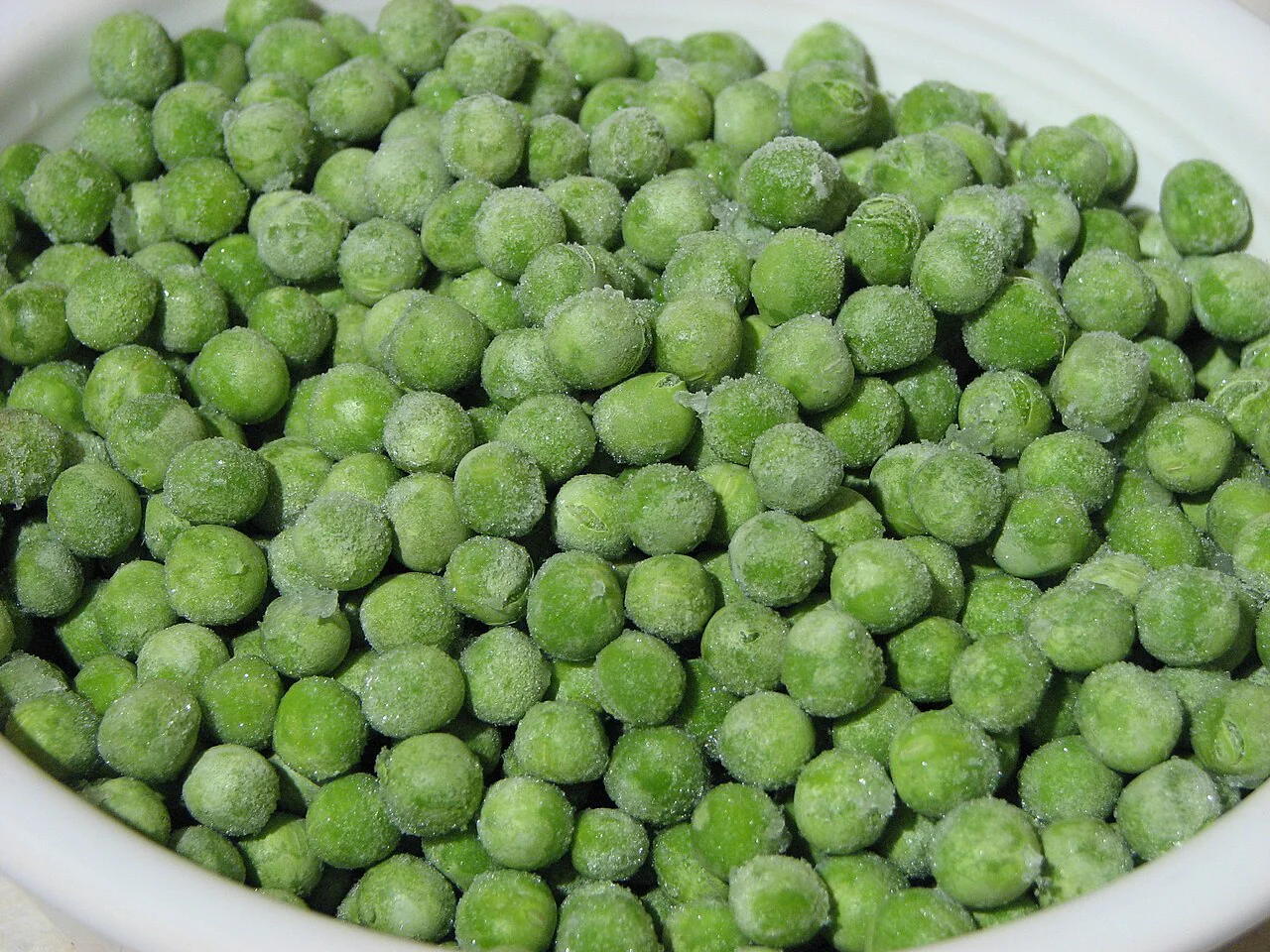
Frozen vegetables are not automatically worse for the climate than fresh ones. Freezing uses energy, but the comparison also depends on growing conditions, storage, transport and what ends up uneaten. For a household choosing between a fresh bunch of greens and a bag of frozen vegetables, the practical answer is usually the one that fits the meal and gets eaten. That can be fresh, frozen or a mix.
Start with what actually gets eaten
Food has environmental effects at several stages: growing and processing it, moving and storing it, preparing it, and disposing of it if it goes uneaten. The United Nations notes that farming and land use account for the largest share of food related greenhouse gas emissions, while refrigeration and transport are generally smaller contributors. That makes a package’s frozen or fresh label an incomplete guide to its total impact. [1]
Wasted produce represents more than the vegetable itself: the land, water, energy and other inputs used along the way are wasted too. If a fresh vegetable routinely wilts in your refrigerator, a frozen version portioned into meals may prevent that loss. If you buy fresh for a dish you will cook tonight, freezing it first would add a step without solving a real problem. The relevant comparison is between what each option requires and what your household will use. [2]
Fresh does not mean local or low impact
Fresh produce can be grown nearby or far away, in season or in conditions that require substantial inputs. Frozen produce may be processed near where it was grown, then kept cold through distribution. The supplied United Nations overview says transport and packaging are typically a smaller part of food’s greenhouse gas emissions than production, though that broad pattern does not establish the footprint of any particular vegetable or supply chain. [1]
This is why “fresh is always better” and “frozen is always better” both overstate the case. A fresh vegetable that travels a long distance is not necessarily more climate intensive than a frozen one, and a nearby product is not guaranteed to have lower impacts if its production required more resources. Without product specific information, treat distance and packaging as clues, not a complete calculation.
Freezing trades storage for flexibility
Freezing takes energy and frozen food needs to remain cold, so it is reasonable to include those steps in a comparison. But freezing can also let a shopper keep vegetables for later and use only what a recipe needs. For example, someone making soup for one could scoop peas or chopped spinach from a bag and return the rest to the freezer, instead of buying a fresh quantity that is difficult to finish. That is practical reasoning, not a measured estimate of emissions.
Fresh produce can offer similar flexibility when it keeps well and is stored appropriately. The best choice varies with the vegetable, the time between purchase and cooking, the household’s refrigerator and freezer habits, and the route from farm to store. A frozen product’s convenience has little environmental value if it is forgotten at the back of the freezer, just as fresh produce’s appeal does not help if it spoils unused.
Build a comparison around a real meal
Imagine planning three dinners that use broccoli. If fresh broccoli is already on the shopping list and will be cooked within a few days, buy the amount needed. If plans are unpredictable and extra fresh produce is often discarded, frozen florets may make it easier to use smaller portions. If both options work, decide by taste, preparation time and cost to your household; the references do not provide a universal ranking for frozen versus fresh vegetables.
A useful habit is to note which vegetables you discard and why. If the problem is buying more than a recipe uses, frozen portions or a smaller fresh quantity may help. If the issue is forgetting produce, place it where you see it and plan a meal around it. The US EPA recommends checking what is already in the refrigerator, freezer and pantry before shopping, then planning purchases around meals and realistic quantities. [2]
Choose a form, then prevent the waste
Frozen vegetables are a tool for matching portions to uncertain schedules; fresh ones are a good fit when their texture and timing suit the meal. Neither form excuses buying more than you can use, and neither needs to be treated as a moral test. A household can keep frozen staples and buy fresh produce for dishes where it makes a clear difference.
For your next shop, choose one vegetable you often throw away, check how much your planned meals need, and buy that quantity in the form you are most likely to finish.
Follow the evidence
Primary sources used in this story. Practical examples are illustrative unless a source states otherwise.
Read our editorial standards. Have a correction? Identify the article and relevant source in your feedback to the site owner.