tree day
Guide
How to read sustainability labels?
Sustainability labels cover different issues, from climate and sourcing to farming practices. Learn to identify a label's scope, standard, and verification so you can compare claims without overreading them.
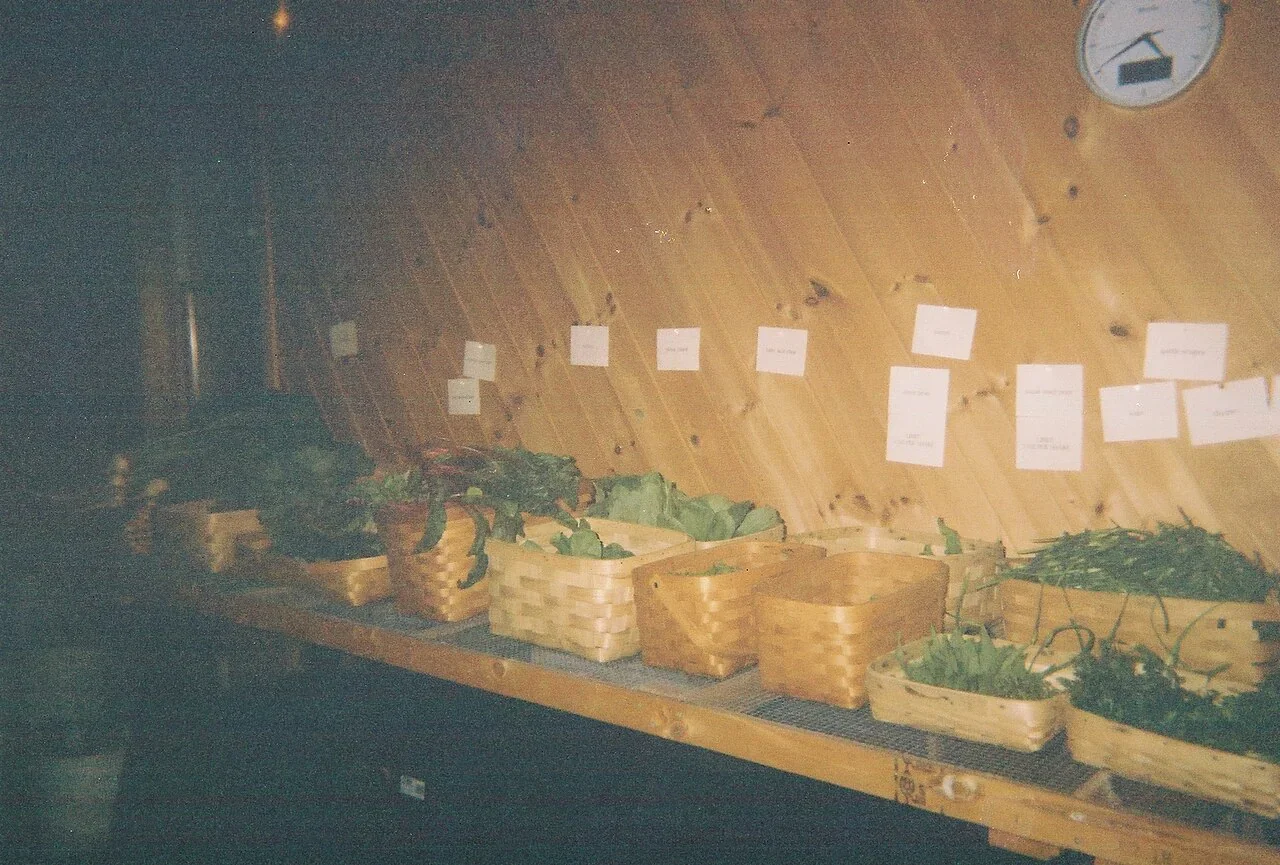
A sustainability label is useful only when you know what it is claiming. One mark may address a farming practice; another may describe climate impacts, ingredient sourcing, or packaging. Start by identifying the issue named on the package, then check who sets the criteria and how the claim is verified. That simple sequence makes labels easier to compare and helps prevent a narrow claim from being mistaken for a promise about everything.
First identify the problem the label addresses
Read the exact words around the mark. Does it refer to organic production, deforestation, animal welfare, labor, water, climate emissions, or packaging? These are different questions. A product could have verified information about one and little or none about another. The word “sustainable” by itself does not tell you which effect is being measured.
Food has impacts across production, processing, transport, preparation, and disposal, according to the United Nations [1]. The source also notes that agriculture and land use make up the largest share of food-related emissions, while transport and packaging account for a smaller share in the overall picture [1]. This context helps explain why a packaging claim cannot stand in for information about land or farming, and why a single label rarely captures a whole product's footprint.
Find the standard and its boundaries
A credible label should point to criteria that can be read. Look for what products or ingredients it covers, what practices are required, and where the rules apply. A mark may cover only one ingredient in a mixed product, or only a particular stage in the supply chain. These boundaries matter as much as the label's name.
A standard should also explain how compliance is checked. Is there an independent auditor, a documented chain of custody, or only a company statement? Different approaches offer different assurances. Do not assume that a logo means every item was inspected individually or that all suppliers are covered.
Compare like with like
Two labels cannot be ranked fairly if they address different outcomes. A certification for farming practices does not directly answer a question about greenhouse-gas emissions; a climate claim may say nothing about habitat or worker conditions. To compare products, first decide which concern matters for this purchase, then compare evidence that addresses that same concern.
For example, a hypothetical shopper choosing cooking oil might care about land conversion. A sourcing certification could be more relevant than a recyclable-container mark, while the latter still answers a separate packaging question. The UN's food overview notes that land use and production practices influence food emissions, which is a reminder to match the question to the evidence [1].
Watch for vague or oversized promises
Broad phrases such as “planet friendly” or “good for nature” can sound comprehensive without specifying a standard, boundary, or measured result. Ask what the claim means in concrete terms. Does it describe an action, such as managing fertilizer, or an outcome, such as lower emissions compared with a stated baseline? An action is not the same as a measured result.
A common mistake is assuming that a real certification eliminates all harm. Certifications establish particular rules and verification processes; they do not necessarily cover every environmental or social issue. Another mistake is dismissing all labels as meaningless. A well-defined claim can provide useful evidence, provided you keep its limits in view.
Use a quick label-reading routine
When a package catches your eye, try three checks: name the issue, locate the standard, and inspect the scope and verifier. If one element is missing, look for a company explanation or the certifier's current materials. If the claim still cannot be understood, treat it as incomplete information rather than proof. A clear answer from the company may help, but a vague assurance does not fill a missing standard.
There is no need to research every purchase. Choose one product you buy often and investigate its most important claim. For food, a label is one input alongside affordability, nutrition, availability, and how much of the food your household will actually use. EPA notes that preventing wasted food preserves resources used in its production and distribution [2]. A sustainable choice can therefore include buying an amount you can use, not only selecting a marked package.
Follow the evidence
Primary sources used in this story. Practical examples are illustrative unless a source states otherwise.
Read our editorial standards. Have a correction? Identify the article and relevant source in your feedback to the site owner.