tree day
Guide
How farming affects biodiversity?
Farming can shape biodiversity through land conversion and day-to-day management. The effects vary by crop, place, and practice, with consequences for wildlife habitat, soil life, and food production.
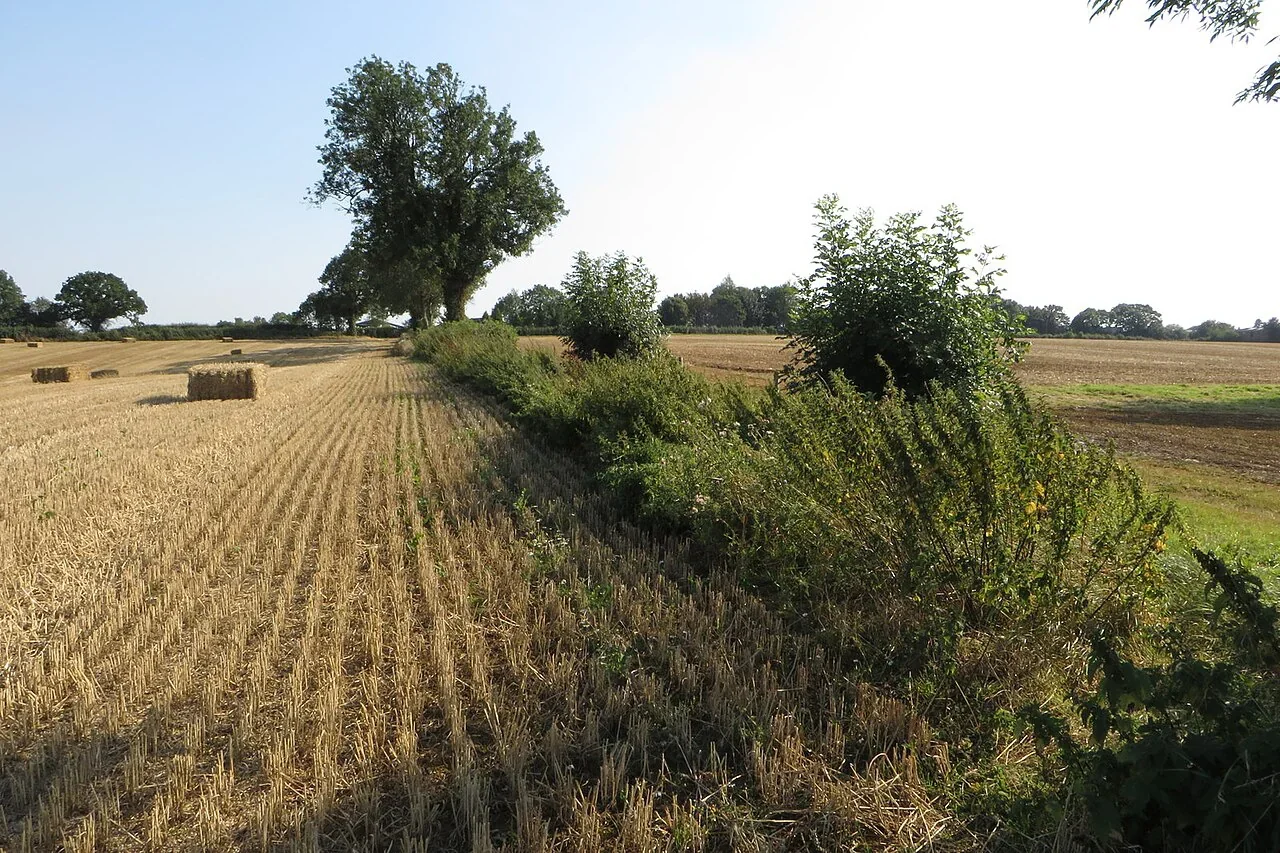
A farm field can provide food while also changing the habitat available to wild plants and animals. Farming affects biodiversity through both the land used for production and the way that land is managed. Forest clearing, field layout, soil disturbance, and chemical inputs can all matter, but outcomes depend on place and practice. The question is not simply whether farming helps or harms nature; it is which choices support food production while leaving room for ecological life.
Land conversion changes what can live there
When natural vegetation is cleared to make farmland, species lose or see their habitat altered. The United Nations notes that food-related emissions include carbon dioxide from forest cutting to expand farmland, and that land use is a major part of food's climate impact [1]. That source addresses climate rather than measuring biodiversity directly, but it highlights a land-use mechanism with clear ecological relevance: replacing a forest with a crop or pasture changes the conditions and resources available to species adapted to the original habitat.
The effect varies with what is cleared and what replaces it. A diverse landscape with field edges, wetlands, or patches of natural vegetation differs from a continuous monoculture, and a farm embedded in an already modified region differs from one at a natural habitat frontier. Without a site-specific assessment, avoid assuming every farm landscape has the same biodiversity value.
Management changes life in and above the soil
Within fields, management can influence plants, insects, soil organisms, and animals that use the land. Crop rotation, grazing, timing of disturbance, and pesticide or fertilizer use can alter food sources and shelter. Soil matters because it is itself a living ecosystem: NRCS defines soil health as the continuing capacity of soil to function in ways that sustain plants, animals, and humans [2]. Practices that preserve soil cover and biological activity can therefore affect biodiversity below ground as well as the condition of the land.
The trade-offs are real. Farmers must manage crops against weeds, pests, disease, and economic risk. A practice that benefits one group of organisms may not suit another crop or climate, and replacing one input can require new labor or equipment. Advice should be based on local agronomy and conservation goals rather than a universal recipe.
Food demand links diets to land pressure
What people eat shapes which products farmers are asked to grow, though consumer choice is only one influence among policy, markets, livelihoods, and food access. The UN reports that plant-based foods generally use less land, water, and energy and have lower greenhouse-gas intensity than animal-based foods; it also notes that animal products remain important for food security and livelihoods in many places [1]. Those facts do not quantify biodiversity impacts for every food, but they show how production patterns can alter resource demand and land use.
A thoughtful food choice accounts for nutrition, affordability, culture, and production context. In a high-income setting, a household may be able to include more beans or lentils in some meals, while another household relies on local animal foods for nutrition or income. Neither a universal diet rule nor a single label can capture all those conditions.
A farm is not the only place biodiversity is shaped
Biodiversity depends on the broader landscape: waterways, hedgerows, field margins, nearby natural areas, and connections that let species move. Food production and biodiversity can coexist, but how well they do depends on scale and design. Protecting remaining habitat is distinct from improving practices on land already in production; both may matter, and one cannot automatically substitute for the other.
Climate pressure also complicates the picture. The food system contributes greenhouse gases through agriculture and land use, including fertilizer use, livestock methane, and forest conversion [1]. Climate change then affects ecosystems and farms in return. A biodiversity discussion should therefore avoid treating one farm practice as a complete solution to wider land-use and climate pressures.
How a shopper can make a grounded choice
A shopper cannot infer biodiversity performance from a product's appearance or a broad claim alone. Look for a label or producer statement that explains what is being measured: habitat protection, pesticide restrictions, soil management, or traceability. Those are different issues. If a claim has no standard, scope, or verification described, treat it as limited information rather than proof of broad ecological benefit.
For a concrete next step, choose one product you buy often and ask what its sourcing information actually covers. If it makes a land-use claim, check whether it addresses conversion and whether the claim is independently verified. If the information is absent, a different product with clearer sourcing may be easier to assess, while recognizing that biodiversity remains a landscape-level concern.
Follow the evidence
Primary sources used in this story. Practical examples are illustrative unless a source states otherwise.
Read our editorial standards. Have a correction? Identify the article and relevant source in your feedback to the site owner.