tree day
Guide
Cover crops explained?
Cover crops are plants grown mainly to cover soil during a period when a main crop is absent or not covering the ground. Whether they fit depends on the farm calendar, water, climate and intended use.
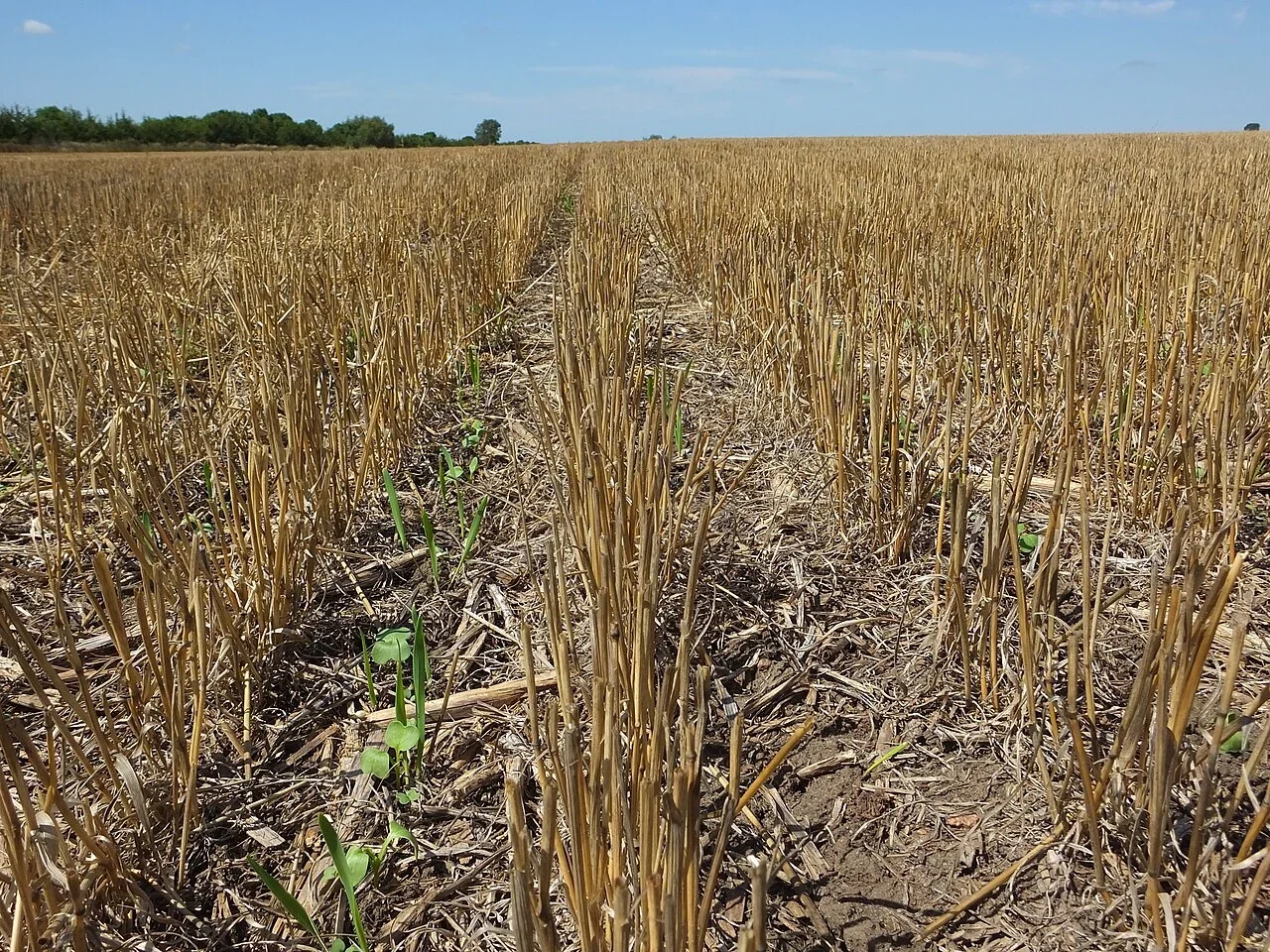
A cover crop is grown primarily to cover a field during a gap in the main crop cycle, rather than as the season’s principal harvest. It may be planted after a cash crop is harvested or before the next one is established. The purpose and timing vary, so a cover crop is best understood as a planned part of the farm calendar, not a universal seed mix.
Cover describes a role
The term refers to what the crop is doing in the rotation: occupying ground for a period when the main crop is absent or still small. Depending on the farm plan, the cover crop may later be incorporated, left as residue or managed in another way. Those choices affect how it fits with the following crop and farm operations.
Soil performs several functions that are relevant to this idea. USDA’s Natural Resources Conservation Service says functioning soil supports plant growth and regulates water by absorbing precipitation, draining excess and storing water for future plant use. A grower considering a cover crop may be thinking about how the field is managed during an otherwise bare period, but the source does not promise a specific result from planting one. [1]
Match the plant to the calendar
A cover crop has to establish within the available window and be managed before it interferes with the next crop. A short gap between harvest and planting may leave little time; a longer interval may create different options. Local growing conditions, soil and rainfall patterns influence which plants can establish and when they should be terminated or otherwise managed.
That makes generic seed advice risky. A mix that suits one region or planting date may fail in another, and a crop that grows well may use water the next crop needs. Farmers should use local agronomic guidance to select species and timing for their conditions. The references do not identify suitable species or provide a universal schedule.
The benefits depend on management
Cover crops are commonly used with goals such as protecting soil between harvests, adding plant material or fitting into a broader soil management plan. Those are goals to evaluate, not guaranteed outcomes. USDA NRCS emphasizes that soil health depends on both inherent characteristics and management, and that many dynamic properties change slowly. A single season is not enough to assume that soil function has changed. [1]
The same caution applies to climate claims. The UN identifies agriculture and land use as a major source of food related greenhouse gas emissions and points to improved agricultural practices as part of mitigation. It does not quantify the emissions effect of a particular cover crop, field or seed mix. [2]
A hypothetical planning example
Suppose a grower harvests a main crop in autumn and expects to plant another crop in spring. Before sowing a cover crop, the grower could check the local planting window, expected rainfall, field conditions, equipment needs and how the cover will be managed before spring planting. If the cover is meant to protect the soil, the grower should also decide what observation would indicate that the plan is working, such as whether the field remains adequately covered during the intended period. This is a planning example, not a prescribed practice.
There is a real trade off: the cover crop takes seed, labor and management, and its growth must fit the following crop’s needs. If timing or moisture is poorly matched, it can complicate the production plan. A farmer should compare that cost and risk with the specific field goal instead of planting solely because cover crops are being discussed as a trend.
Choose one field purpose
For land managers, a sensible first step is to state the problem a cover crop is meant to address and consult local guidance on species and timing. For readers evaluating a farm’s claim, ask when the cover grows, what happens to it afterward and what field outcome the grower is trying to achieve. The word alone does not tell you whether the practice suits the site.
Before ordering seed, identify the field and season where a cover crop could fit, then verify the species and termination plan with a local agricultural adviser.
Follow the evidence
Primary sources used in this story. Practical examples are illustrative unless a source states otherwise.
Read our editorial standards. Have a correction? Identify the article and relevant source in your feedback to the site owner.