tree day
Guide
Community supported agriculture explained?
Community supported agriculture, often called CSA, is a way to buy a recurring share of a farm’s harvest, usually with seasonal variety and some uncertainty. Compare the pickup, share size, price and flexibility with how your household cooks.
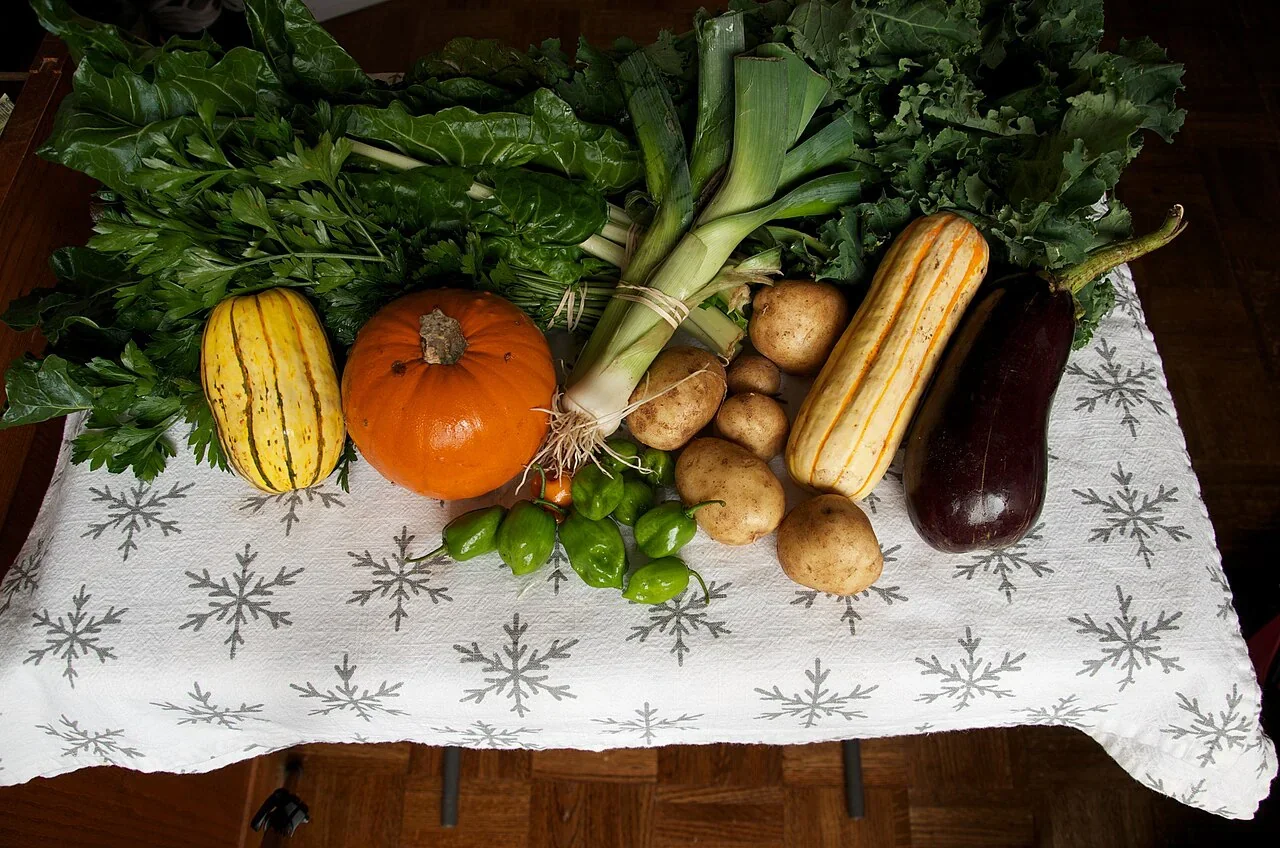
Community supported agriculture, or CSA, usually means paying a farm for a recurring share of its harvest during a season. In return, members receive a portion of what the farm produces, often through weekly or periodic pickup. The arrangement can connect a household with seasonal food, but it also asks members to adapt when harvests vary. Before joining, check the share terms against your cooking habits, storage and budget.
What a share buys
A CSA share is generally a planned portion of a farm's production rather than a custom grocery order. Contents can change with the season and growing conditions, and some programs offer different share sizes or pickup frequencies. Ask the farm what is included, how long the commitment lasts, and whether a missed pickup can be rescheduled or donated.
This structure can suit people who enjoy cooking from what is available. It may be harder for someone who needs exact ingredients for a fixed weekly menu. A CSA is not a guarantee that every item will be familiar or that the amount will perfectly match household demand.
Read the terms before enrolling
Find out the total cost, payment schedule, pickup location, dates and policies for travel or missed collections. Ask whether the share is paid in advance, whether there is a trial option, and what happens if the farm has a difficult season. Those details differ by farm, so do not infer them from another member's experience.
Compare the actual pickup routine with your week. A nearby collection point at a convenient time may be worth more than a theoretically larger share that is difficult to collect. If the share includes produce your household rarely eats, check whether the farm allows exchanges or whether members commonly share extras.
Plan around variability
A seasonal box can prompt new meals, but it also shifts some planning from the shopper to the cook. Keep a short list of flexible recipes—soups, grain bowls, sauces or roasted vegetables—that can absorb different produce. Store each item according to its needs and use delicate ingredients first. The EPA recommends checking existing food and planning meals around ingredients that need using; that approach is especially useful when a weekly share arrives. [3]
For a hypothetical two-person household, a smaller share may be easier to finish than a large box with a lower per-item cost. If the farm offers only one size, two households might split it, provided they can coordinate pickup and divide produce promptly. This is a practical arrangement, not an assurance that every share divides evenly.
Understand the farm and food trade-offs
A CSA creates a more direct purchasing relationship, but it does not automatically reveal every detail about farming practice, labor or environmental impact. Ask the farm how it grows crops and handles soil, pests and water if those issues matter to your decision. Soil function depends on both its inherent characteristics and how it is managed, as the USDA NRCS explains. [2] Specific practices should be confirmed with the farm rather than assumed from the CSA label.
Food choices have impacts throughout production, processing, transport, preparation and disposal. The UN notes that agricultural production and land use account for the largest share of food-related emissions, while transport and packaging are generally smaller shares. [1] That context is useful, but it does not establish the footprint of an individual farm or share.
Choose a commitment you can use
The main mistake is treating a CSA as a bargain measured only by the amount in the box. A fair comparison includes pickup time, variety, storage needs and the likelihood that the household will eat the food. A share that encourages use of seasonal produce can be valuable, while an oversized one can create waste.
Before paying, ask for a sample share description and the complete commitment terms. Then compare them with a normal week's meals and decide whether the pickup and portion are workable.
Follow the evidence
Primary sources used in this story. Practical examples are illustrative unless a source states otherwise.
- UN: Food and climate change ↗
- USDA NRCS: Soil health in Virginia ↗
- US EPA: Preventing wasted food at home ↗
Read our editorial standards. Have a correction? Identify the article and relevant source in your feedback to the site owner.