tree day
Guide
How to add more beans to meals?
Beans fit into familiar meals when you add them for texture, body or protein rather than treating them as a separate side. This guide offers easy swaps, a practical example and ways to store and use quantities you can finish.
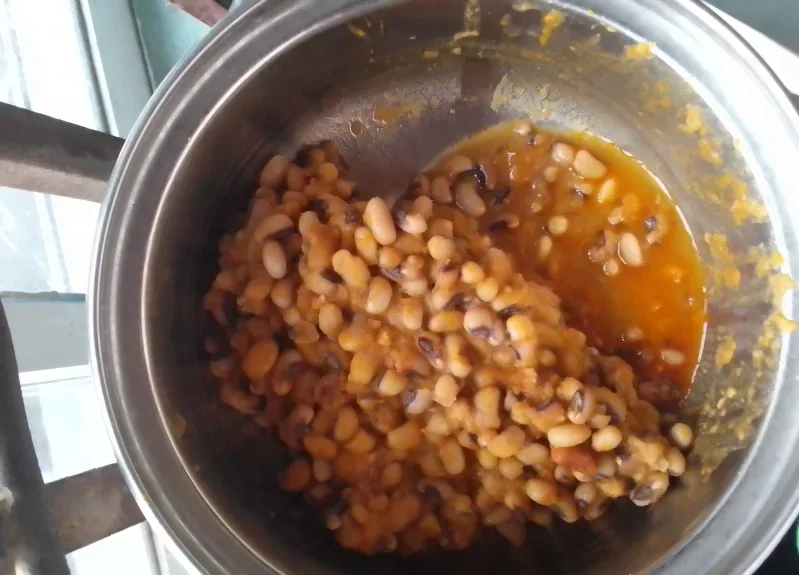
Add beans to a meal by giving them a clear job: bulk up a soup, replace some ground meat in a sauce, or make a grain bowl more filling. If beans are new to your cooking routine, start with a small amount in a dish you already like. That makes the flavor and texture easier to judge and lowers the chance that an experiment leaves a container unused.
Match the bean to the meal
Different beans bring different textures, but many can be used flexibly. Black or pinto beans work in tacos, bowls and chili; chickpeas can go into salads, curries or roasted vegetable dishes; white beans can thicken soups and sauces. These are suggestions, not strict pairings. Use what is available and what fits the flavors you already cook.
The UN lists beans, peas and lentils among plant-based foods that typically require fewer resources—including water, land and energy—and produce fewer greenhouse gases than animal-based options. [1] Adding them to familiar meals is one practical way to make a meal more plant-rich without requiring a completely new menu.
Try a partial swap first
If you cook a meat sauce, chili or filling, replace some of the meat with beans rather than changing the whole recipe. The beans add body and can stretch the dish; seasoning and cooking time may need small adjustments. For a bowl, start with a modest scoop alongside the usual grain and vegetables, then adjust the amount the next time based on how filling it feels.
A hypothetical example: if a household makes four portions of chili, it could stir one drained can of beans into the usual recipe and reduce another ingredient slightly, then see whether the texture and portion size work. The exact amount depends on the recipe and appetite. This is a cooking illustration, not a universal proportion.
Choose canned or dry for your routine
Canned beans are convenient for quick meals; dry beans can suit cooks who prefer to prepare a larger batch. Follow the package directions and food safety guidance for preparation and storage. If you cook more than you will use soon, portion and freeze some for later according to safe handling recommendations. This keeps convenience from turning into food waste.
Do not buy a large bag of dry beans solely because it seems economical if you are unsure you will cook them. The EPA recommends shopping from a meal plan and buying quantities you expect to use. [2] Start with a can or a small dry quantity, then choose the format that fits your kitchen and cooking habits.
Build flavor and texture
Beans can taste bland when added at the last moment without seasoning. Let them take on the flavors of the dish: simmer them with aromatics and spices in a stew, toss them with a bright dressing in a salad, or mash some into a spread. If a dish feels too soft, pair beans with crisp vegetables, toasted seeds or a crunchy topping.
If you are unsure whether beans will work in a recipe, add a small portion to one serving before mixing them into the entire pot. This lets you test the flavor and texture without committing the whole meal. It is a useful distinction between trying an ingredient and making a full recipe change.
Use the whole amount you open
Plan a second use for any leftover beans before opening a container. They might become lunch in a grain bowl, a quick soup addition or a mashed spread. Keep leftovers in an appropriate food-safe container and follow official food safety guidance for refrigeration and use; timing depends on the food and handling conditions.
Adding beans is most sustainable when the change is eaten and repeated. Food waste discards the resources used to produce, process and move food, as the EPA and UN both explain. [2] [1] Choose one dish you make regularly, add beans in a modest amount, and note whether you want more next time.
Follow the evidence
Primary sources used in this story. Practical examples are illustrative unless a source states otherwise.
Read our editorial standards. Have a correction? Identify the article and relevant source in your feedback to the site owner.