tree day
Guide
How to choose reusable food containers?
Choose food containers by the meals you carry, the way you clean them and how long you expect to reuse them. Fit, leak resistance and a lid that stays matched to its base matter more than buying a complete new set.
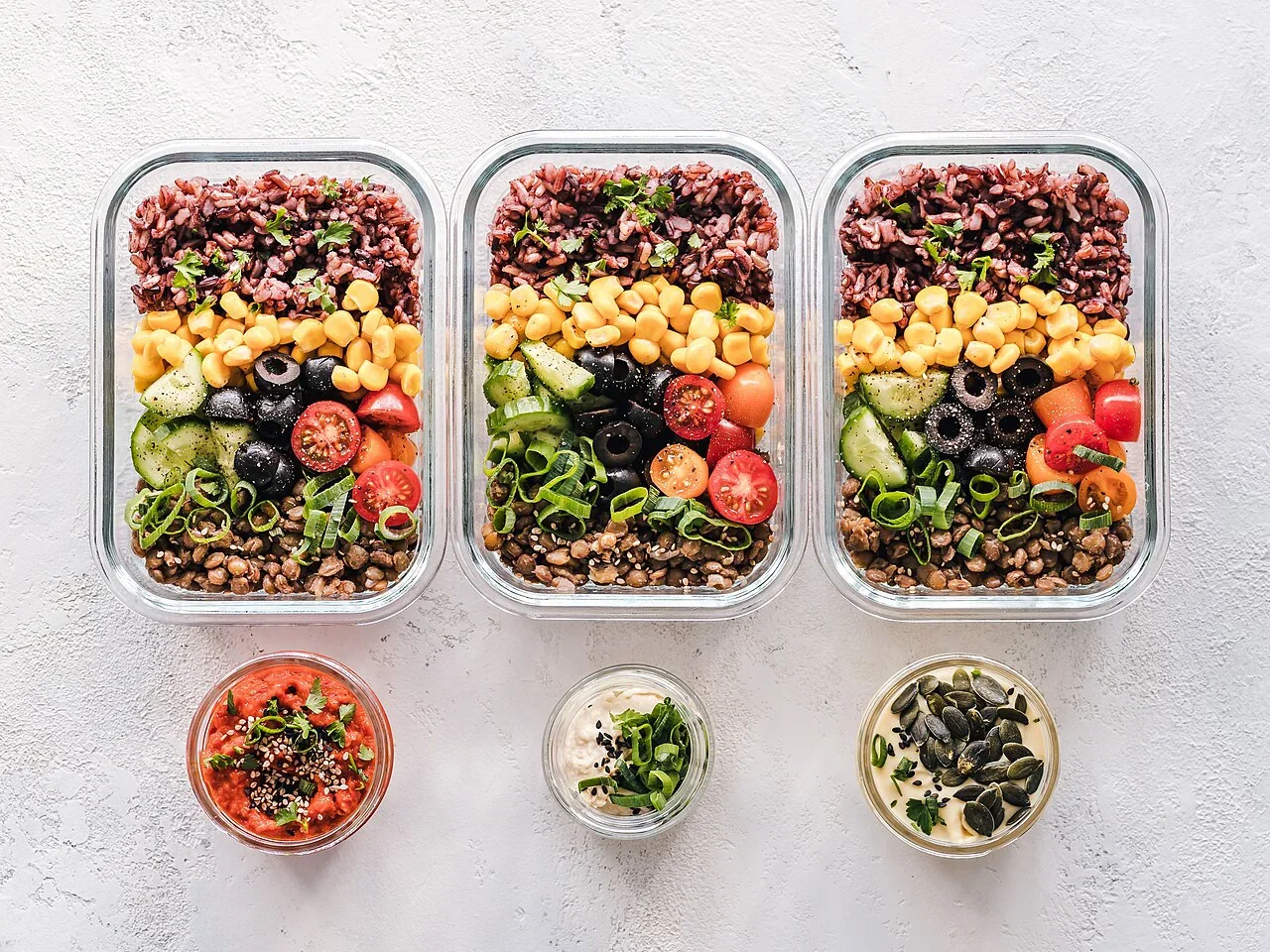
The best reusable food container is the one that fits the food you actually pack and returns to your kitchen ready to use again. Before buying, check your bag, usual portion and cleaning options. A container that leaks, is awkward to carry or gets separated from its lid can become shelf clutter, so durability and convenience matter more than a large matching set.
Start with the food and the trip
Think through a normal lunch: a dry sandwich, soup, cut fruit or a mixed meal each places different demands on a container. For liquids or saucy food, look for a lid designed to seal and test it at home before relying on it in a bag. For a bulky meal, consider the container's shape against the space you have rather than choosing only by stated capacity.
If the container will travel by bike or in a crowded backpack, weight and breakage risk matter. A sturdy container that stays upright may be more useful than a larger one with a loose lid. For short trips, a dish you already own may work; there is no need to buy a specialized option if your current container is safe for its intended use.
Compare materials by use and care
Glass, metal and plastic containers differ in weight, breakage risk, heat tolerance and cleaning requirements. Check the manufacturer's directions for microwave, freezer and dishwasher use instead of assuming all items made from one material behave alike. Avoid using a container for a purpose its labeling does not support, especially heating.
The environmental case for reuse depends on using an item repeatedly and avoiding premature replacement. The UN describes packaging production and food waste management as smaller sources of food-related emissions than agriculture and land use overall. [1] That does not make packaging irrelevant, but it suggests that choosing a durable container and using it consistently is more practical than chasing a perfect material label.
Choose lids that stay with their bases
A container set is only useful if pieces match. Prefer a design with a clear way to identify lids and bases, or buy a small number of the same model so parts can be interchanged. Check that the closure is easy for the person who will use it; a difficult latch can make a theoretically leakproof box frustrating every day.
A hypothetical commuter who packs leftovers twice a week might need two medium containers and one smaller cup for dressing, not a dozen-piece set. That smaller choice is easier to store and gives a realistic test of how well the containers fit the routine. Add pieces only when a recurring need appears.
Make washing part of the decision
Check whether the container can be cleaned easily, whether its seal can be removed for washing, and whether your household has room to dry and store it. Trapped residue or a damaged seal can make continued use unpleasant. Inspect containers over time and follow product guidance about replacing worn or cracked parts.
Do not let leftover food sit forgotten in the back of the fridge. The EPA recommends labeling leftovers and using planning and storage habits to prevent food from being wasted. [2] A clear container can help you see what is inside, but a label or a designated “eat next” shelf may be more important than transparency alone.
Buy for a routine, not an ideal
The common mistake is buying reusable containers while continuing to rely on disposables because the new set is inconvenient. Keep the containers where lunches are packed, and choose a shape that fits the meals you make. If you carry food away from home, make returning the container easy: a dedicated pocket or rinse-and-return habit can help.
Your next step is to measure the space in your bag and choose one or two containers for the meals you carry most often. Test them with water and a typical portion at home before making a larger purchase.
Follow the evidence
Primary sources used in this story. Practical examples are illustrative unless a source states otherwise.
Read our editorial standards. Have a correction? Identify the article and relevant source in your feedback to the site owner.