tree day
Guide
How to start a food sharing group?
Start a food sharing group with a clear, small purpose, a dependable handoff method and rules that protect food safety and privacy. Begin with surplus food among people who know one another, then adapt only after learning what local partners can accept.
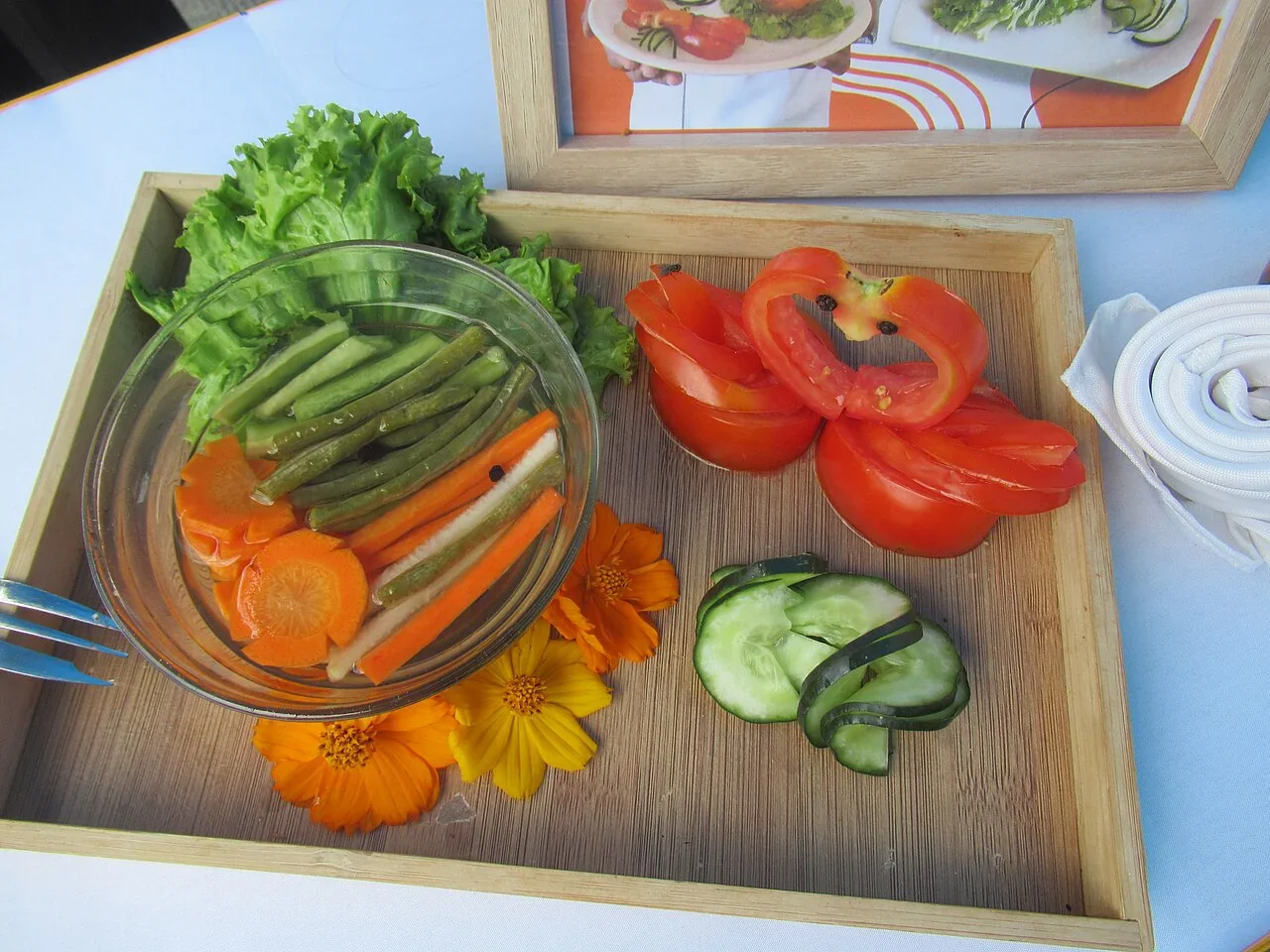
A food sharing group needs one clear answer before it needs a logo or a large membership: what food can members offer, and how will someone collect it safely? Start with a small circle, a simple way to post surplus and a predictable handoff point. Agree on what is eligible, how quickly claims expire and what happens to food no one takes. Scale only after the routine works.
Set a narrow first purpose
Choose the group you are serving: neighbors sharing unopened pantry items, a workplace exchanging surplus produce, or a community partner coordinating donations. Each model has different needs. A small neighbor group can test a message board and pickup window; a group handling prepared meals needs more careful procedures and may need a qualified local partner.
Keep the first version modest. One neighborhood, one type of food and one weekly or occasional exchange is easier to coordinate than an open-ended promise to rescue any surplus. Write a short purpose statement so members understand the limits from the start.
Agree on what may be offered
Set clear rules for condition, packaging, labeling and timing. For a simple peer group, members might share intact produce or factory-sealed shelf-stable food, while excluding items whose storage history or ingredients are unclear. A group that wants to share prepared or temperature-sensitive food should seek current local food-safety guidance and work with an appropriate organization; informal advice is not a substitute for those requirements.
Ask contributors to state what the food is, when it was prepared or opened when relevant, and how it has been stored. Avoid claims such as “safe for everyone.” People receiving food need enough information to decide whether it fits their needs, including ingredient and allergen details when available.
Make claiming and handoff predictable
Use one channel that participants already check, with a standard post format: item, quantity, pickup window and contact method. Set a claim deadline and a backup plan for no-shows. A porch box or staffed handoff may work for one group; a busy public location may not. Protect members' addresses and phone numbers by sharing them only as needed for a specific exchange.
For example, a hypothetical apartment group could post a bag of surplus apples by early afternoon and arrange collection from a common area within a defined window. If nobody claims it, the contributor knows whether to offer it elsewhere or keep it. The key is a clear endpoint rather than a lingering listing that no one owns.
Match surplus to real demand
Food sharing works when offered quantities and pickup capacity are realistic. Encourage members to list food they can transfer promptly and to offer modest amounts when demand is unknown. The EPA recommends planning what a household will use and giving nutritious, safe, untouched surplus to food banks when appropriate. [1] A local food bank may have its own accepted items, storage capacity and delivery process, so contact it before promising donations on its behalf.
Track simple observations: what was offered, what was claimed, and what repeatedly went uncollected. This is not a formal impact study; it helps the group reduce friction. If a category is rarely claimed, stop soliciting it or find a partner with a known need.
Keep the group accountable
Name who moderates posts, answers questions and pauses exchanges if a safety concern arises. Make it easy for members to leave and avoid collecting personal information the group does not need. If the project expands into regular public distribution, consult local agencies or established food organizations about applicable rules and logistics rather than assuming informal practices transfer to a larger operation.
A common mistake is measuring success by how many listings appear. A smaller number of dependable handoffs can serve people better and prevent waste more effectively. Start by inviting a few interested neighbors to agree on the eligible foods and one simple exchange routine.
Follow the evidence
Primary sources used in this story. Practical examples are illustrative unless a source states otherwise.
Read our editorial standards. Have a correction? Identify the article and relevant source in your feedback to the site owner.