tree day
Guide
Soil erosion causes and prevention?
Soil erosion happens when wind or water carries exposed soil away. Learn how bare ground, slope, and disturbed cover contribute, and how to choose prevention measures that fit the site.
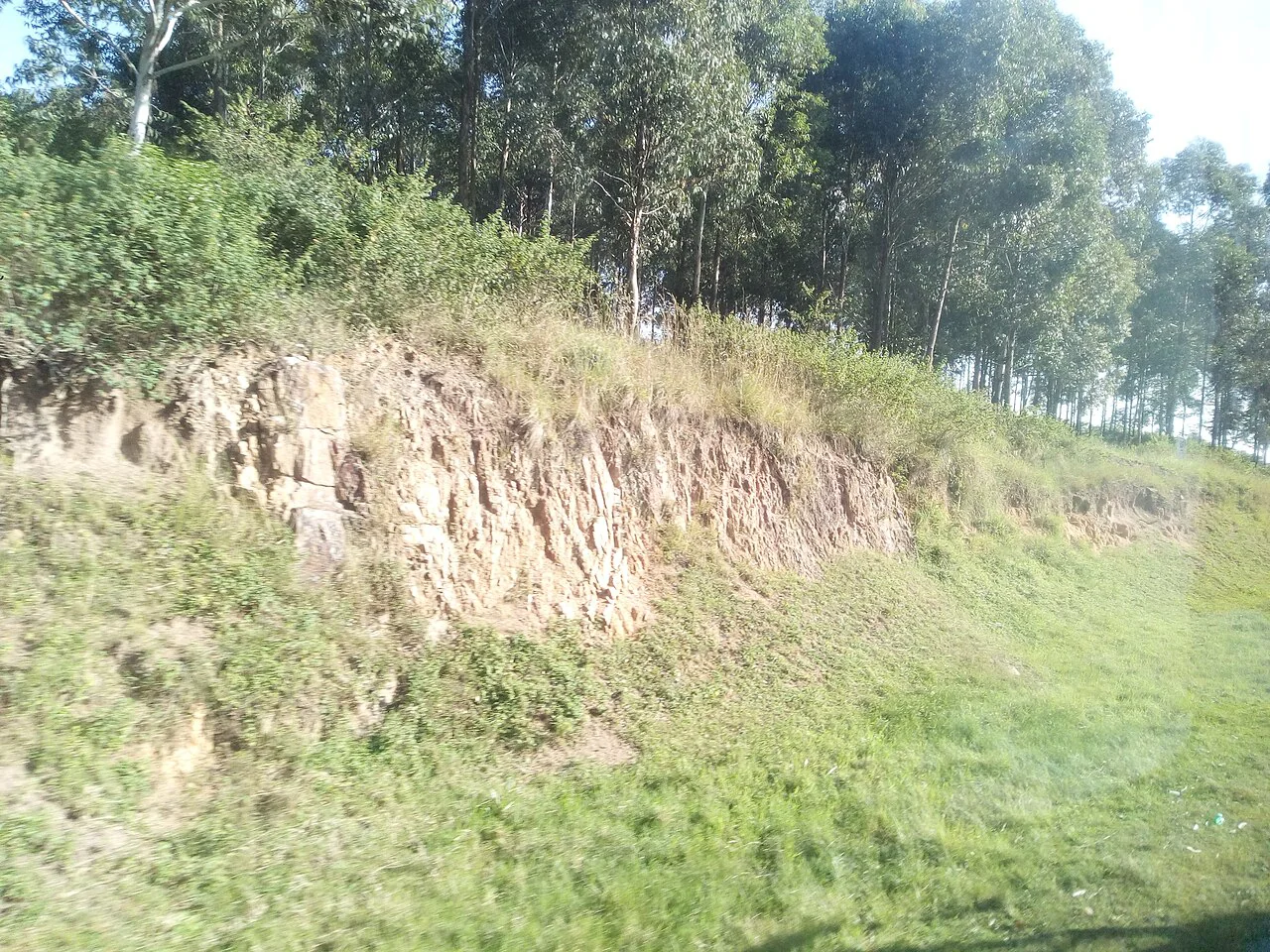
If rain leaves muddy streaks on a path or a thin fan of sediment at the bottom of a bed, soil is moving. Erosion occurs when wind or water carries soil particles away faster than the surface can hold them. The first practical response is usually to identify what exposes or concentrates that movement—bare ground, a slope, or a flow path—then protect the soil in a way suited to the site.
How a raindrop becomes a moving layer
Rain can loosen particles when it strikes bare ground. Once water gathers and begins to run downhill, it can carry those particles with it. On a gentle surface this may appear as a thin sheet of soil loss; where runoff concentrates, it can form small channels or gullies. Wind can also move dry, exposed soil, especially where there is little plant cover to slow it.
Erosion is not just an appearance problem. The material being carried away includes the surface soil where many roots and biological processes are concentrated. A thinner or less stable top layer may make it harder for plants to establish, which can leave more ground exposed and create a cycle of further loss. NRCS describes soil as a living system that supports plants and regulates water, so erosion can weaken several soil functions at once [1].
Look for exposure, slope, and concentrated flow
A bare patch is not automatically eroding, and a slope is not automatically damaged. Risk rises when soil is exposed to forceful rain or wind and water has a clear route to gain speed. Recently disturbed ground, compacted areas, and places where a downspout or path directs water can all deserve attention. Look for repeated clues: sediment after rain, exposed roots, small rills, or a deposit where runoff slows.
Before changing anything, trace where water comes from and where it goes. A small garden bed may be receiving runoff from a roof, pavement, or higher area, so adding material only at the visible deposit may not address the cause. A farm field, construction site, and backyard differ in scale and responsibility; the same measure will not suit all three.
Keep the surface protected
Plants reduce direct exposure by covering the ground, and their roots help hold soil in place. Where appropriate for the season and site, established vegetation or a suitable cover crop can protect soil between main crops. Mulch can shield some garden beds from raindrop impact, but the right material and depth depend on plants, climate, and local conditions. Avoid smothering plant crowns or creating a setup that invites pests.
The useful principle is continuity of cover: do not leave vulnerable soil bare longer than needed. NRCS describes soil-health approaches that mimic natural efficiencies and recognizes management as a factor that can change soil properties over time [1]. That does not imply that every gardener should avoid all disturbance. Some plants and tasks require prepared ground; the goal is to limit exposure and restore cover when the work is done.
Slow water without sending the problem elsewhere
On a slope, slowing runoff can reduce its ability to carry soil. A planted strip, a contour-oriented bed, or a stable path may help in the right setting. But an intervention that redirects water toward a neighbor, building, or unstable bank can create a new problem. If flow is strong, persistent, or tied to drainage infrastructure, seek advice from local conservation or drainage professionals before reshaping the ground.
The same care applies to compacted soil. It may be tempting to loosen a wet patch immediately, but working saturated soil can damage its structure further. Wait for conditions suited to the soil and task, and avoid repeated foot or vehicle traffic where plants need to establish. NRCS notes that texture and landscape position are inherent features, while porosity and biological activity can respond to management [1]. The realistic aim is to improve function within the site's limits.
A practical example and a next check
Imagine a hypothetical vegetable bed where muddy water appears at the lower edge after heavy rain. Rather than simply replacing the lost soil, its gardener could watch the next storm to see whether runoff begins on a bare upper section, arrives from a nearby hard surface, or collects along a compacted path. If the bed itself is the source, suitable cover and a less concentrated flow route may help. If water comes from outside the bed, the gardener may need local advice about managing that inflow.
A common mistake is treating erosion only after soil has already collected somewhere else. A more useful next action is to photograph the area after rain, mark where water enters and exits, and identify the exposed patch or concentrated flow. Then select one protective step and check whether sediment decreases after subsequent storms. Persistent erosion merits help from a local soil or drainage specialist.
Follow the evidence
Primary sources used in this story. Practical examples are illustrative unless a source states otherwise.
Read our editorial standards. Have a correction? Identify the article and relevant source in your feedback to the site owner.