tree day
Guide
What is regenerative agriculture?
Regenerative agriculture is a broad approach to managing farms with the aim of rebuilding soil function and improving land over time. The term is not a single practice, so ask what a farm is doing and how it evaluates change.
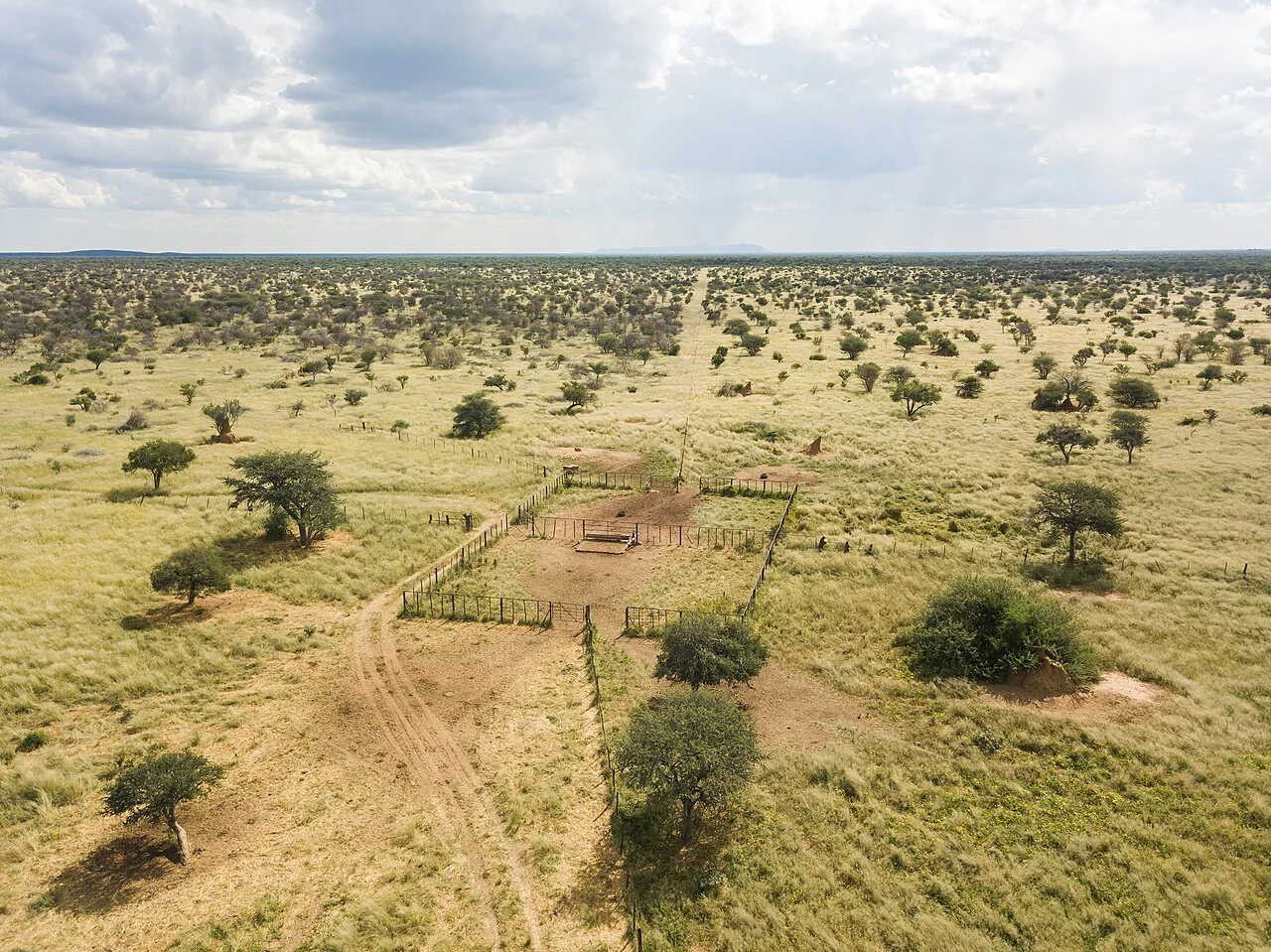
Regenerative agriculture generally describes farming intended to improve the condition and function of land over time. It is a broad approach rather than the name of one technique: farms may choose different practices depending on their soil, climate, crops and constraints. To understand what a regenerative claim means, ask what is changing on the farm and what evidence shows that the change is helping.
The word points to an aim
USDA’s Natural Resources Conservation Service describes soil health as the continuing capacity of soil to function as a living ecosystem that sustains plants, animals and people. The agency says that, in farming, soil health is also associated with an approach intended to rebuild soil life and function, stop degradation and improve land. That helps explain the idea behind regenerative agriculture, though the source does not establish a single formal definition for the term. [1]
The distinction matters because a goal and a measured result are not the same thing. A farm may adopt a practice with the intention of improving soil, but the outcome depends on its starting conditions, management and local environment. NRCS notes that some soil properties are inherent—such as texture, slope and depth—while other properties can change through management, often slowly. [1]
Think in functions, not slogans
Soil is doing several jobs at once. NRCS describes functioning soil as supporting plant growth, taking in precipitation, draining excess water while retaining some for future plant use, and recycling dead material into nutrients. These functions provide a practical way to think about what a farm might want to improve instead of treating “regenerative” as a guarantee of a particular result. [1]
For a grower, the useful question might be whether a field’s soil is better able to support crops or handle water under the conditions it faces. The answer can differ between fields on the same farm because slope, soil depth and texture vary. A practice that suits one field may not suit another, so copying a technique without considering the site can miss the point. This is an application of the NRCS distinction between inherent properties and changeable management effects. [1]
Practices are choices, not a checklist
People may use the term while referring to approaches such as changing tillage, keeping living plants on fields at different times, or varying crops. Those terms describe possible farm decisions, not a universal package implied by the word regenerative. The references do not evaluate those individual practices, so a claim about one of them should be assessed on its own rather than treated as proof of an overall result.
NRCS says soil health building methods often aim to make use of soil system efficiencies and that dynamic properties such as porosity and biological activity can be modified through management. It also cautions that these properties often change slowly. That is a reason to look for a clear account of practices and time frame, rather than expecting a quick transformation or a simple yes-or-no label. [1]
An example of asking better questions
Imagine a farm describing a field as regenerative after changing how it manages soil. A shopper or buyer could ask what changed, why the grower chose that approach for this field, and what sign of soil function the farm is tracking. If the answer is simply that the farm uses one named practice, the next question is what improvement the practice is meant to support and how the farm will tell whether it is occurring. This example is hypothetical; it does not claim that one measure can capture every soil function.
The same care applies to climate claims. The UN identifies agriculture and land use as the largest share of food related greenhouse gas emissions, and it lists improved agricultural practices, fertilizer and manure management, rotational grazing and restoration of degraded land among possible ways to reduce emissions. That broad overview supports interest in farm management, but does not certify every regenerative claim as a climate benefit. [2]
What a buyer can do
For a consumer, the term alone may not tell you how a particular food was produced or what changed on the land. When a producer provides details, look for a connection between a stated practice, the local conditions it addresses and a described outcome. If the details are unavailable, you can still make other grounded choices, such as buying food you will use and reducing avoidable waste. The EPA recommends planning purchases and meals around realistic quantities. [3]
Next time you encounter a regenerative claim, ask the seller or producer to name the field practice and the soil function it is meant to support.
Follow the evidence
Primary sources used in this story. Practical examples are illustrative unless a source states otherwise.
- USDA NRCS: Soil health in Virginia ↗
- UN: Food and climate change ↗
- US EPA: Preventing wasted food at home ↗
Read our editorial standards. Have a correction? Identify the article and relevant source in your feedback to the site owner.