tree day
Guide
Soil organic matter explained?
Soil organic matter is material from once-living plants and organisms at different stages of decomposition. It supports soil structure and nutrient cycling, but its role depends on soil type and conditions.
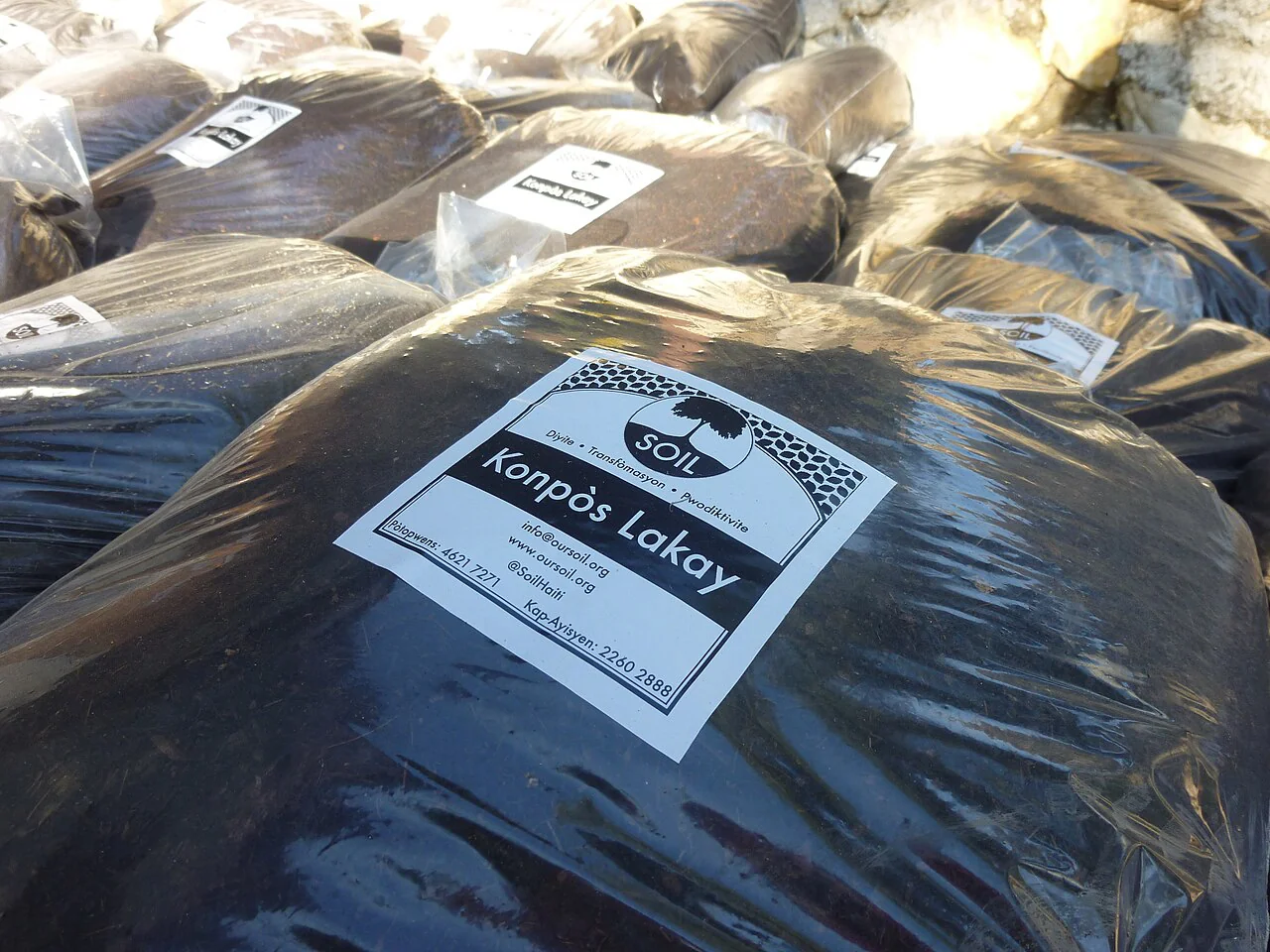
The dark material in a garden bed is not simply “plant food.” Soil organic matter includes dead and decomposing plant material and other once-living residues, alongside mineral particles, water, air, and living organisms. It matters because decomposition helps recycle nutrients and because organic matter contributes to the soil system that roots depend on. Knowing what it does—and what it cannot do—helps gardeners use compost and plant residues sensibly.
Material in different stages of change
A fallen leaf, a partly decomposed scrap of root, and more transformed organic material are not identical, but they are part of a continuing breakdown process. Soil organisms act on dead material, releasing components that can become available to plants and supporting nutrient cycles. NRCS describes functioning soil as a system that breaks down wastes and returns their components to feed new life [1].
Organic matter is only one component of soil. Mineral particles such as sand, silt, and clay influence texture and drainage, while air and water occupy spaces between particles. Soil organisms depend on suitable conditions too. Adding organic material therefore does not erase a soil's underlying texture or landscape position; it works within a soil that already has particular limits.
Why gardeners care about it
Organic matter contributes to soil structure and biological activity, which influence how water enters, drains, and remains available to roots. NRCS identifies water regulation, plant growth, and recycling as functions of healthy soil [1]. These functions help explain why organic matter is often discussed in gardening: it is associated with a soil environment that can support roots and the organisms involved in nutrient cycling.
The effect is not a magic switch. A compost addition cannot make every site drain perfectly, supply every nutrient in the right amount, or compensate for poor plant choice. Some soils are naturally sandy, shallow, or clay-rich; those inherent properties are difficult to change, while properties such as porosity and biological activity can shift with management over time [1]. A useful expectation is gradual improvement in a specific function, not an instant transformation.
Compost is one route, not the definition
Compost is decomposed organic material that can be used as a soil amendment when it is suitable for the site and plants. It is not the only source of organic matter: roots and plant residues also contribute as they break down. Whether to add compost, and how much, depends on the bed, intended plants, existing soil, and the quality of the material. Local extension or soil guidance can help when a crop has specific needs.
Food scraps can be part of a household composting stream, but composting rules and accepted materials vary by community. EPA recommends first preventing avoidable food waste through planning and storage; when waste remains, it discusses composting as a diversion option [2]. That order makes sense in a garden context too: avoiding waste conserves the resources used to produce food, while appropriate composting can return some organic material to use.
Why more is not always better
A common mistake is to add compost repeatedly without checking what the soil or plants need. Excess material can create problems for particular plants, contribute unwanted nutrients, or simply waste effort. It is also possible to confuse a dark appearance with good structure: soil can look rich while remaining compacted or poorly drained. Observe the bed and, where a specific nutrient issue is suspected, use appropriate local testing or advice rather than guessing.
Material quality matters. Compost that is unfinished, contaminated, or unsuitable for edible crops may create concerns. Follow local guidance about feedstocks and use, and avoid treating every organic waste as garden-ready. Soil health depends on how a system functions, not on an unmeasured pile of inputs.
Choose the next step from the problem
For a hypothetical raised bed that dries rapidly, the gardener should first check how often water runs straight through, whether roots are established, and what the growing medium contains. A suitable organic amendment might be part of the answer, but so could plant choice, mulch, or a change in watering technique. For a soggy bed, adding more material without understanding drainage may miss the cause.
The next practical move is to identify the job you want organic matter to support: nutrient cycling, surface cover, or improved soil condition. Then check whether the material is appropriate for the plants and local setting, make a measured change, and observe the response over time. This keeps organic matter in its proper role—as one contributor to a living soil, not a universal fix.
Follow the evidence
Primary sources used in this story. Practical examples are illustrative unless a source states otherwise.
Read our editorial standards. Have a correction? Identify the article and relevant source in your feedback to the site owner.