tree day
Guide
Why healthy soil holds water?
Healthy soil can absorb and store more rain because its pores, roots and organic matter create pathways and spaces for water. Learn how to recognize the difference between useful retention and poor drainage.
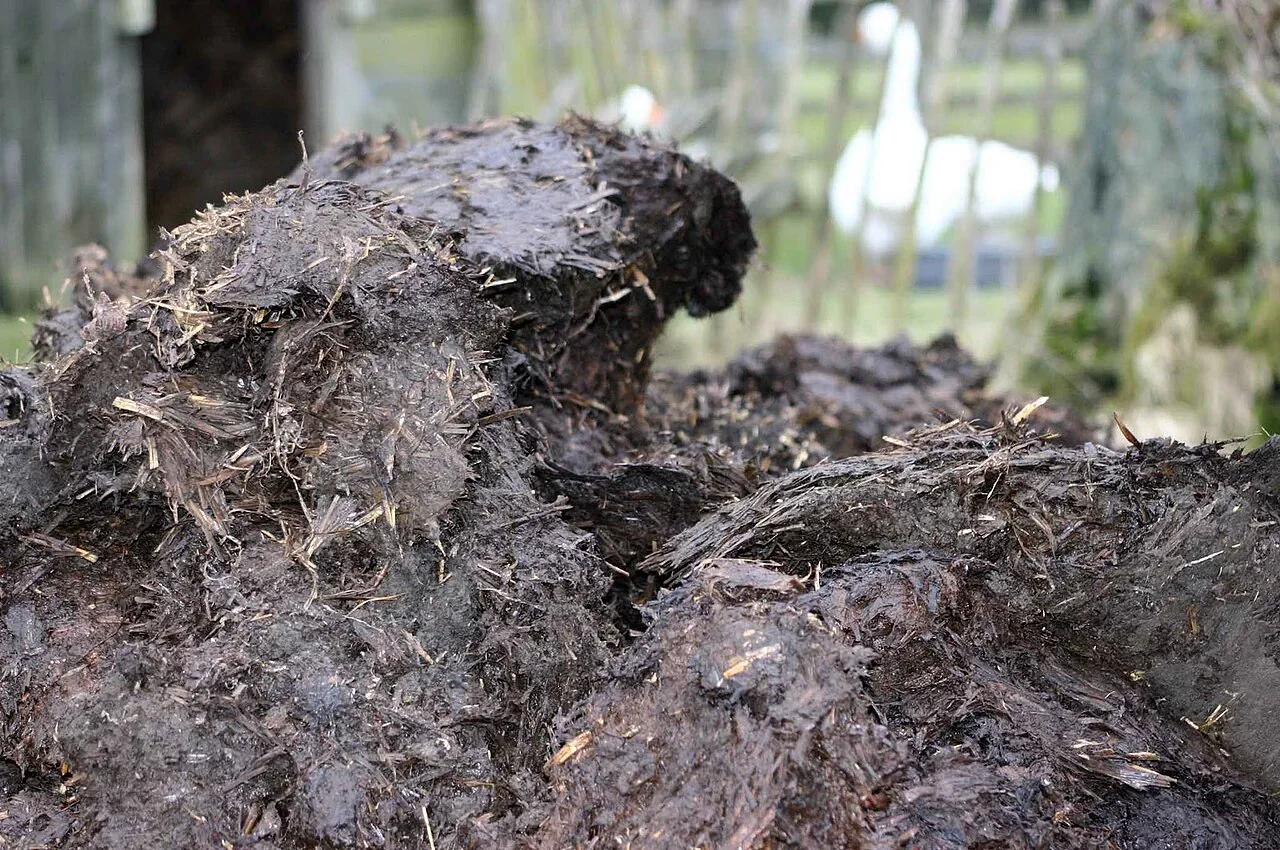
Healthy soil holds water because it has spaces that let rain soak in and smaller spaces that keep some of that water available to roots. A compacted or bare surface can shed rain quickly, while soil with a functioning structure often absorbs it more gradually. The useful goal is not to keep every drop in place: plants need both moisture and air around their roots.
Pores do two different jobs
Soil is not a solid block. It is a mixture of mineral particles, organic material, living roots and spaces between them. Larger connected pores let water enter and move downward; smaller pores hold water against gravity, making some moisture available to plants. The balance depends on texture and structure. Sand usually drains quickly, while fine-textured clay can retain water but may admit it slowly, especially when compacted.
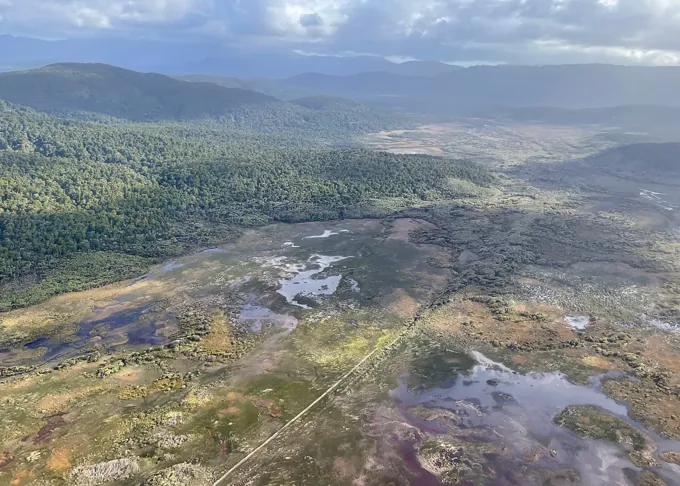
That movement is part of the larger water cycle: water infiltrates the ground, can recharge groundwater, or travels across the surface as runoff. [1] When rain arrives faster than the surface can absorb it, more water may run off. Soil that accepts water more readily can instead store some in its pore spaces for later use.
Structure makes the difference
A healthy soil structure is made of aggregates: small clusters of particles joined by organic matter, roots and biological activity. Spaces between aggregates can carry water downward, while smaller pores within and around them retain moisture. Plant roots also leave channels as they grow and decay. Together, these features help water enter without leaving the soil waterlogged.
Organic matter can help aggregates stay stable and contributes to moisture retention, but adding compost is not a universal fix for every soil. The right amount and material depend on the site, plants and existing soil. A simple observation is to compare how water behaves in a planted bed and a nearby compacted path after the same rain. If the path sheds water and the bed absorbs it, surface condition may be part of the explanation.
Cover slows loss at the surface
Bare soil is exposed to raindrop impact, sun and wind. A suitable layer of plant residue or mulch can soften that impact and reduce direct evaporation from the surface. Living ground cover can also shade soil and add roots, though it competes for water with other plants. Choose cover to fit the crop or landscape, local climate and risk of pests or disease; keep it from resting against vulnerable stems or trunks.
This does not mean water should remain pooled around roots. Most garden plants need air in the root zone, and persistently saturated soil can be a sign of poor drainage or a site mismatch. Wetlands are adapted to very different conditions and can store floodwater while supporting specialized plant and animal communities. [2] A garden bed should not be treated as a miniature wetland.
Read the soil before changing it
After a moderate rain or careful watering, notice whether water soaks in, runs downhill, or remains in puddles. Check the soil below the surface with a hand tool where safe and appropriate: a damp layer beneath a dry crust suggests a different problem from soil that stays saturated for a long time. These are clues, not a diagnosis; slope, soil type, drainage and recent weather all matter.
A common mistake is to water more often because the surface looks dry, without checking below it. Another is to add sand or a thick layer of an amendment based on a general rule. Either can disappoint if the underlying issue is compaction, a high water table or a plant unsuited to the conditions. Start by identifying the soil texture and observing the site's response over several rain or watering events.
Keep more rain where plants can use it
If a bed is compacted, avoid walking on it when wet and keep routine foot traffic to paths. Where appropriate, maintain roots and ground cover, and add a modest amount of suitable organic material over time rather than trying to transform the entire soil at once. If water consistently flows off the property, consider how the slope and downspouts direct it; local rules and site conditions matter for any rainwater diversion or storage.
Water retained in soil is part of a watershed, not an isolated supply. Human land use can affect where water is stored, how it moves and its quality. [1] A practical next step is to watch one area during the next rain, then choose a small change—such as protecting the surface from compaction—and see whether infiltration improves.
Follow the evidence
Primary sources used in this story. Practical examples are illustrative unless a source states otherwise.
Read our editorial standards. Have a correction? Identify the article and relevant source in your feedback to the site owner.